Severe Flood Risk Warning: Strengthen Your Seawall Before the Next Storm Hits
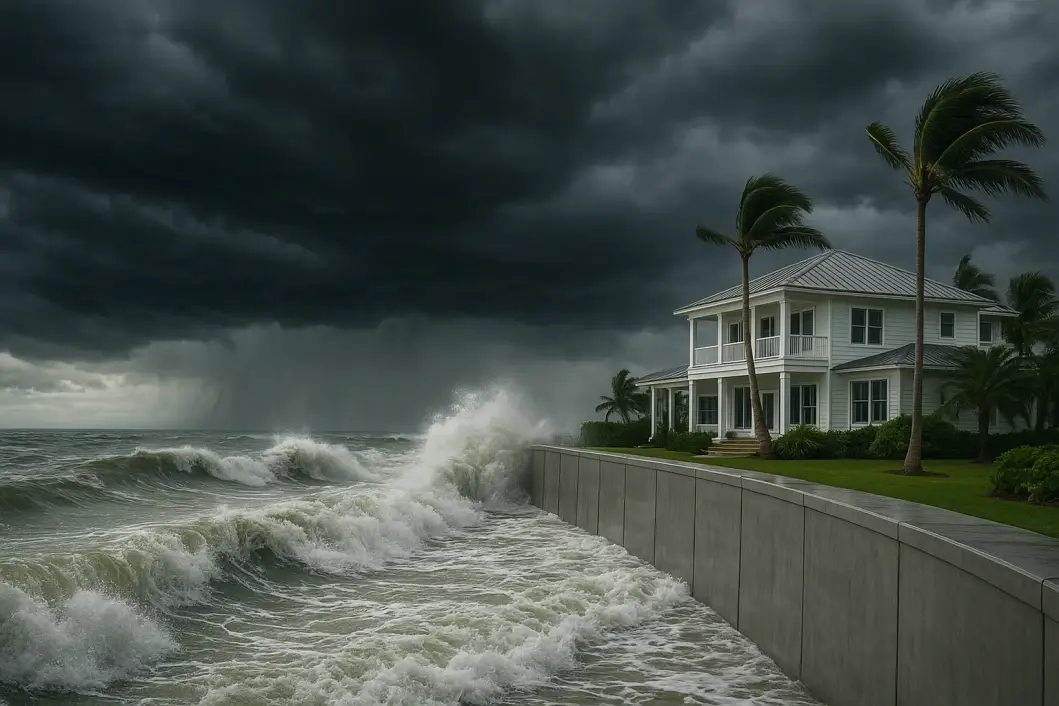
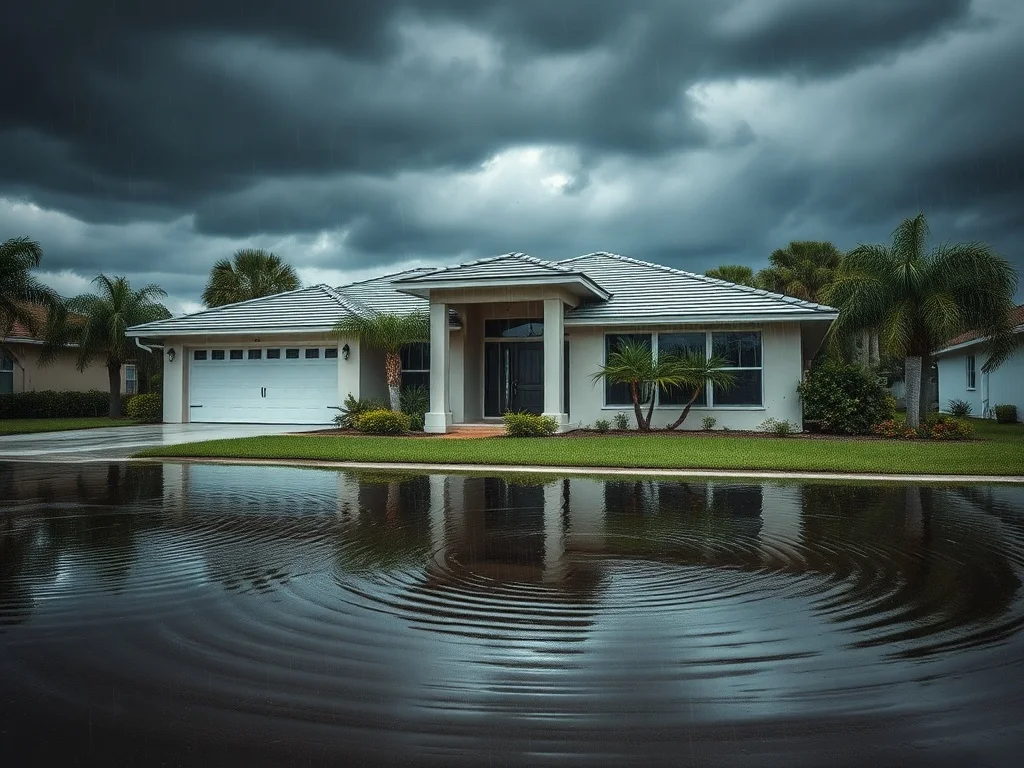
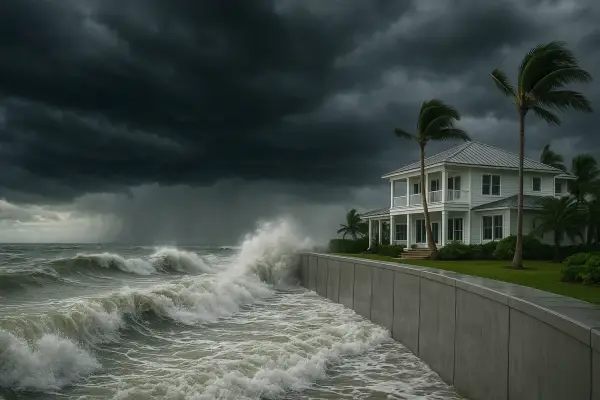
Severe flood risk is rapidly rising across Florida, and coastal communities are facing stronger, more frequent storms than ever before. As water levels surge and storm intensity increases, seawalls become the first—and often only—line of defense protecting homes, foundations, and land from catastrophic erosion.
But what many homeowners don’t realize is this:
A seawall doesn’t fail overnight.
It fails slowly—long before the next storm even arrives.
If your seawall is already weakened, the next severe weather event could cause soil washout, structural cracking, foundation sinking, or even total seawall collapse. Now more than ever, strengthening your seawall is not optional—it’s urgent.
1. Florida’s Severe Flood Risk Is Escalating Quickly
In the past decade, Florida has seen a dramatic rise in:
Storm surge height
Tidal flooding frequency
Heavy rainfall events
Rapid groundwater movement
Soil washout behind seawalls
Waterfront properties are especially vulnerable. As storms intensify, the hydrostatic pressure pushing against seawalls increases, forcing water through cracks and weak points.
When this happens during severe flood risk conditions, consequences escalate fast:
Water infiltrates the soil behind the seawall
Soil begins to shift, settle, and wash away
The seawall loses support
Cracks expand
Panels begin to bow
Entire sections of wall can fail
This is why modern reinforcement—especially using non-invasive polyurethane soil stabilization—has become essential.
2. Why Severe Flood Risk Threatens Seawalls
Severe flooding dramatically increases hydraulic pressure on aging seawalls. Even small cracks become pressure points that funnel water behind the structure, causing:
• Underground voids
Water carves out empty pockets beneath concrete slabs and behind the seawall.
• Soil loss and settlement
The support system holding up the slab, yard, or foundation disappears.
• Structural instability
The seawall begins to lean, crack, or separate at joints.
• Yard erosion
Ground behind the property slowly sinks or collapses.
Once these issues begin, they never fix themselves.
They only worsen—especially with more severe flood events forecasted.
3. Early Warning Signs Your Seawall Is Not Ready
Homeowners rarely recognize seawall failure early because damage is often hidden.
Look for these warning signs:
Soil sinking behind the seawall
Cracks or gaps in the cap
Water bubbling up through the ground
Pool deck or patio slabs settling near the seawall
Separation between panels
Rust stains or exposed rebar
Voids forming behind the wall
Standing water after rain
If you see any of these symptoms, your seawall cannot withstand the next storm without reinforcement.
4. How Severe Flood Risk Creates Erosion and Voids
Floodwater behaves differently than normal tides.
During severe flood risk conditions:
Water forces itself through seawall cracks
High-pressure water finds the weakest points in your wall.
Soil behind the seawall washes into the waterway
This creates hidden cavities that grow rapidly.
Voids expand with every storm
Even small waves can spread a void under concrete.
Slabs, patios, and pool decks begin shifting
Sudden drops or cracks appear around the property.
Eventually, the seawall fails structurally
The wall loses its crucial back support and collapses.
This is why the solution must target the soil, not just the concrete.
5. Traditional Seawall Repair vs. Modern Polyurethane Solutions
Traditional repairs often fail because:
They rely on excavation
They temporarily patch concrete but ignore the soil
They disrupt the property
They are slow and extremely expensive
Water continues infiltrating the same weak points
Polyurethane injection solves the real problem—unstable soil.
Instead of excavating the yard or replacing the seawall, polyurethane foam:
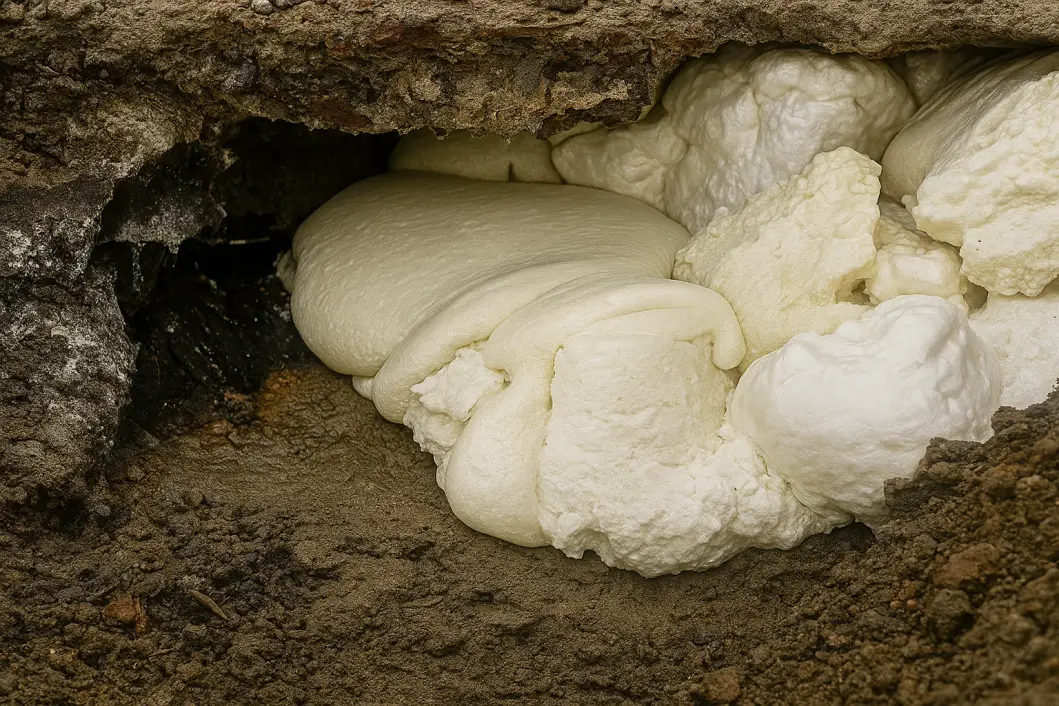
Finds and fills every void
Compresses and strengthens surrounding soil
Stops water flow
Stabilizes the entire structure from underneath
This is why modern contractors and engineering firms prefer polyurethane-based solutions over old repair techniques.
6. Why Polyurethane Injection Is the Best Defense Against Flood Damage
Polyurethane foam is uniquely effective because it is:
Hydrophobic
It repels water, making it perfect for marine environments.
Expanding
It fills underground cavities with precision.
Strong
It increases soil density and load-bearing capacity.
Permanent
It will not break down, rot, or erode.
Non-invasive
No excavation or heavy machinery needed.
Fast-curing
Foam expands in seconds and is fully hardened in minutes.
For Florida properties facing severe flood risk, foam soil stabilization is the smartest long-term solution.
7. SlabFix’s Advanced Seawall Repair Process
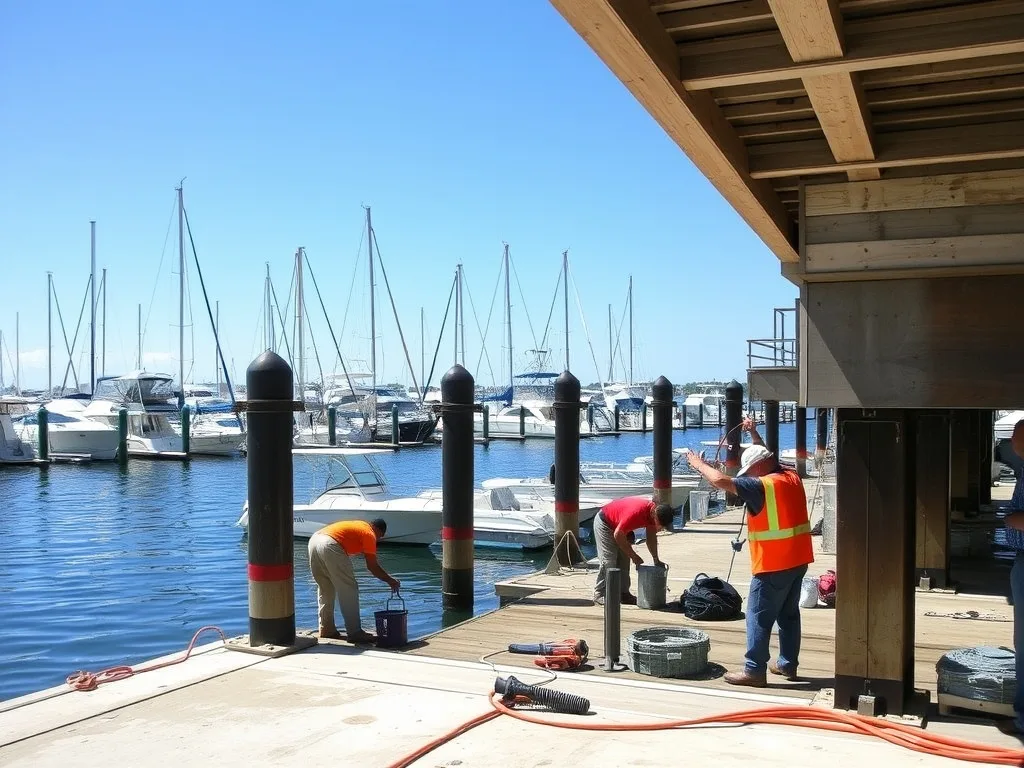
SlabFix specializes in precision seawall stabilization and void filling using advanced polyurethane injection systems specifically engineered for Florida soil and waterfront conditions.
Your process includes:
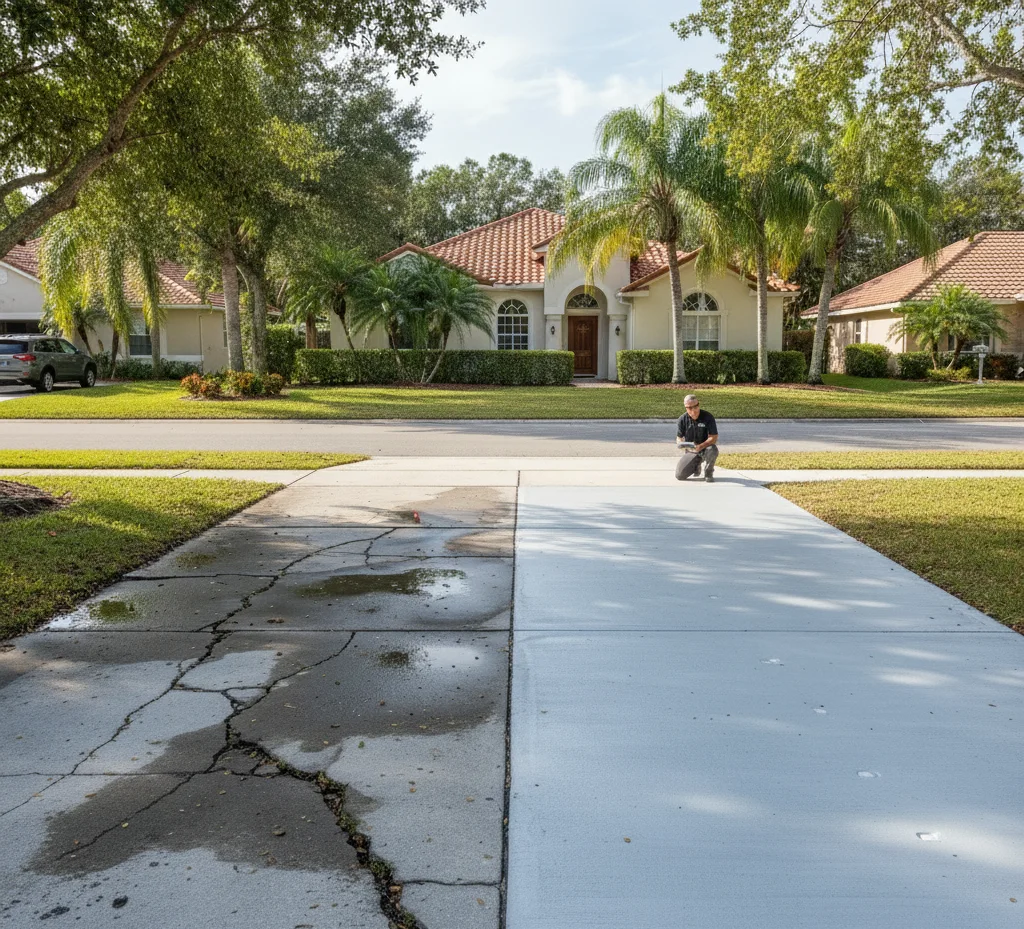
Full inspection of the seawall and soil conditions
Identification of voids, cracks, soil loss, and infiltration paths
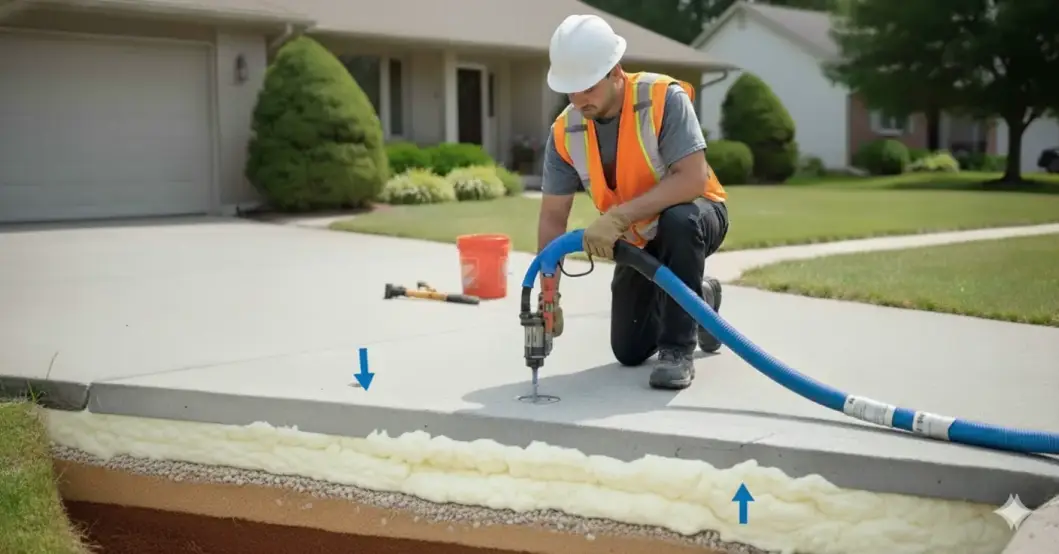
Strategic drilling of small injection points
Insertion of our proprietary 6ft deep injection rod system
Injection of Terra-Lok™ 24-120 single-component polyurethane
Real-time monitoring of soil expansion and stabilization
Final assessment to confirm complete structural reinforcement
This method strengthens the seawall from the inside out.
8. How the 6ft Injection Rod and Terra-Lok™ 24-120 Work
The 6ft Injection Rod
This rod allows SlabFix to:
Reach deep voids
Stabilize soil far below the surface
Target the root cause of erosion
Build vertical and horizontal soil density
Reinforce the seawall’s foundation zone
This method ensures complete stabilization, not surface-level patching.
Terra-Lok™ 24-120 Polyurethane
This professional-grade foam:
Expands aggressively to fill voids
Bonds with soil to create a solid base
Hydraulically lifts and supports concrete
Blocks further water infiltration
Provides long-lasting flood resistance
Together, these tools deliver a stronger, more durable seawall, ready to withstand Florida’s severe flood risk environment.
9. Long-Term Benefits of Polyurethane Seawall Stabilization
Homeowners can expect:
Stronger seawall with restored structural integrity
Permanently stabilized soil
Protection against future storms
Improved property value
Prevention of sinkholes and slab settlement
Lower long-term maintenance costs
Zero disturbance to landscaping
Non-invasive, eco-safe repair
This method is engineered for performance, longevity, and reliability.
10. Why Acting Before the Next Storm Saves Thousands
When a seawall collapses, homeowners face massive expenses:
Complete wall replacement
Foundation repairs
Soil replacement
Landscaping reconstruction
Pool deck leveling
Dock rebuilding
These costs often exceed $80,000–$150,000.
But stabilizing your seawall before catastrophic damage occurs costs a fraction of that.
Flood risk is rising. The most cost-effective time to reinforce your seawall is now, not after a major storm.
11. Why Choose SlabFix for Seawall Repair & Soil Stabilization
SlabFix is a Florida specialist in:
Polyurethane seawall repair
Soil stabilization
Void filling
Waterproofing
Marine structure reinforcement
What sets SlabFix apart:
• Advanced 6ft injection rod technology
Targets deep soil issues others miss.
• Terra-Lok™ 24-120 polyurethane system
Designed for marine-grade performance.
• Non-invasive repair methods
No excavation. No mess.
• Fast results
Repairs completed in hours.
• Florida soil expertise
Specialized in coastal erosion and tidal zones.
• Professional inspection and service
Clear explanations, honest assessments, high-quality workmanship.
12. Call SlabFix Today Before the Next Storm Hits
Don’t wait for the next severe flood risk event to expose weaknesses in your seawall.
SlabFix provides:
Free inspections
Professional assessment
Advanced polyurethane seawall stabilization
Long-term erosion control solutions
Protect your property before it’s too late.
Call SlabFix today at 4078716364.