Seawall Repair with Polyurethane
- Leaning Walls:
- Leaning seawalls indicate shifting ground beneath them, leading to loose soil pockets and voids.
- This is a clear sign of compromised wall foundations requiring immediate repair.
- Sinkholes/Cavities:
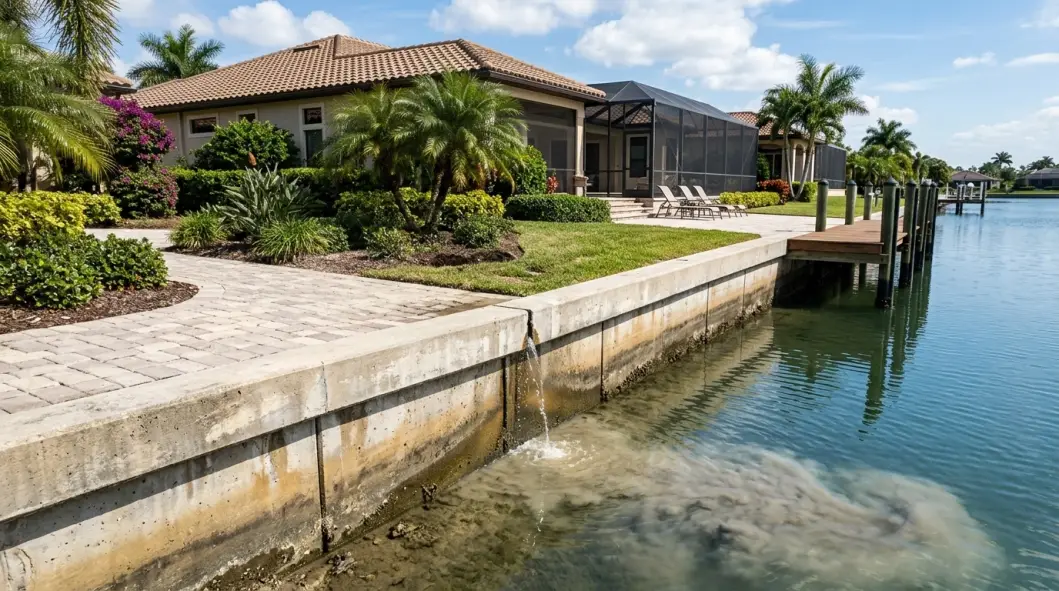
- The appearance of sunken earth or sinkholes near your seawall suggests water infiltration and soil erosion.
- Timely repairs are crucial to halt further land erosion.
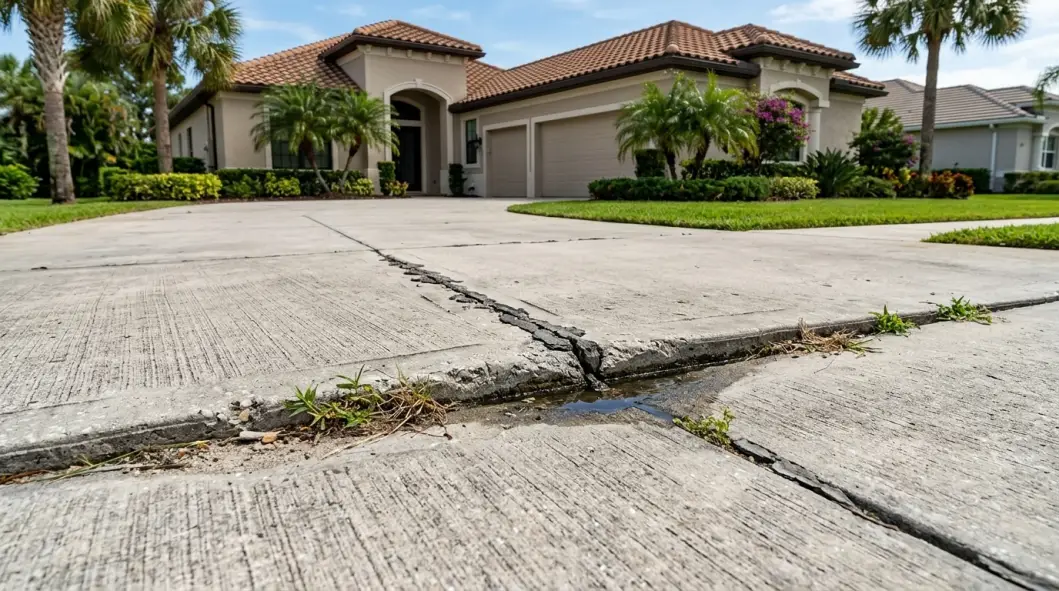
- Settled and Cracked Walkways and Slabs:
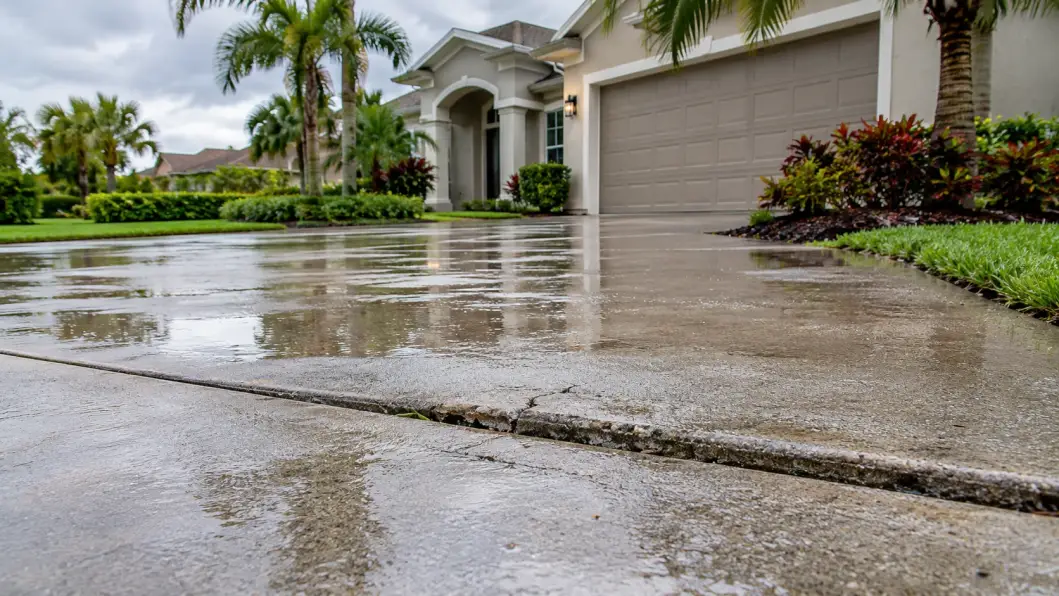
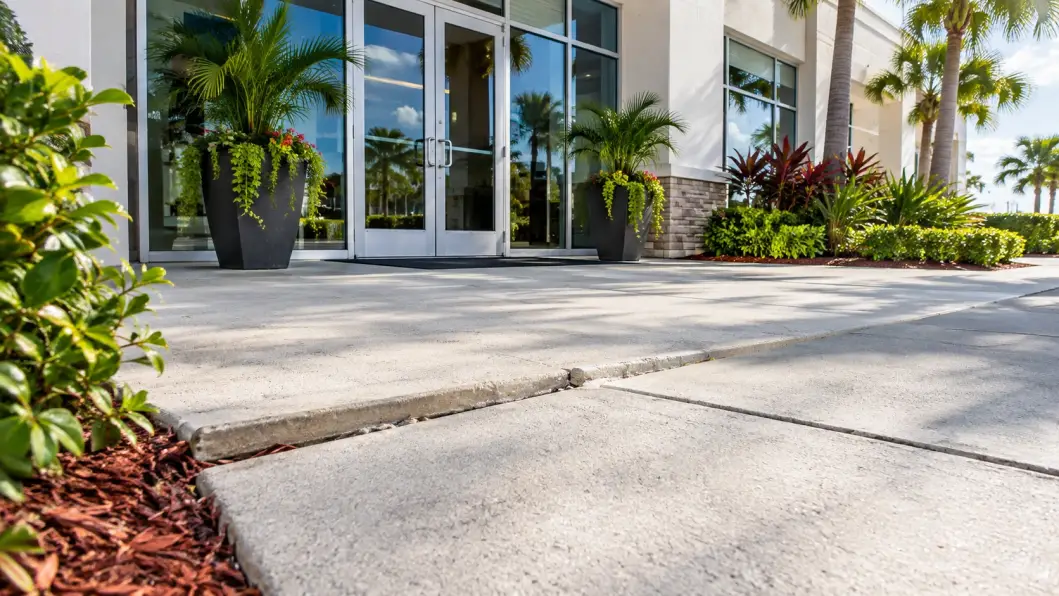
- Cracks or unevenness in walkways, sidewalks, or concrete slabs near your seawall indicate water bypassing the wall and causing soil erosion.
- Erosion weakens the soil beneath these structures, leading to sloping and cracking.
- Cracks or Breakage in Seawall Caps:
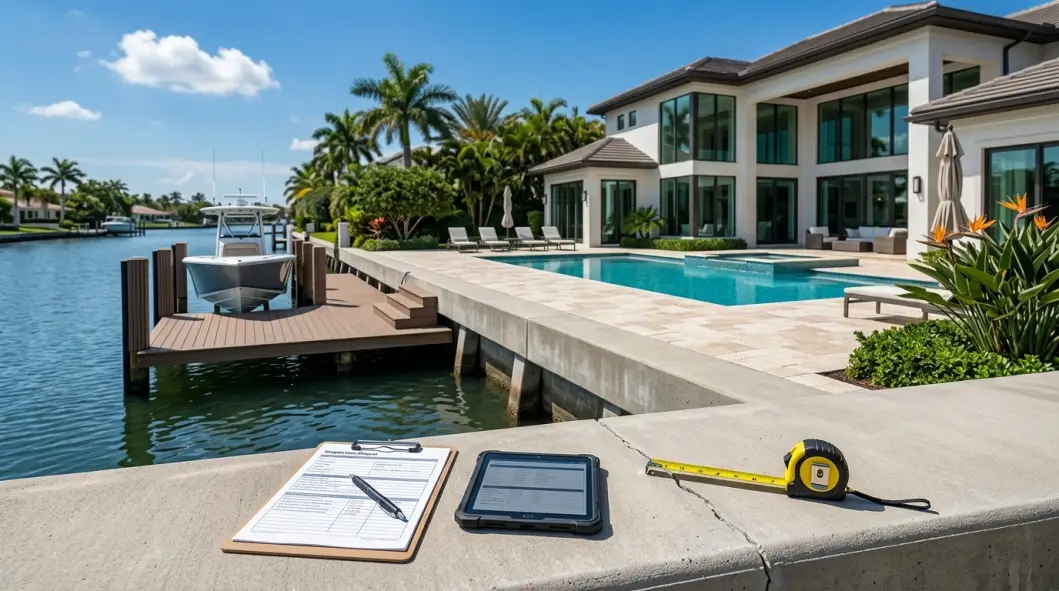
- The Seawall Cap, which holds wall panels together, may develop cracks or breakages.
- Such damage signifies a compromised seawall in need of immediate attention.
- Loss of Soil Behind the Wall:
- The land adjacent to the seawall should remain level with no abrupt changes.
- If you observe a drop in land level or a sloping terrain towards the seawall, it indicates soil erosion due to water permeation.
- Deteriorating Slabs:
- Slabs deteriorating near your seawall are a result of extensive water exposure.
- This deterioration suggests a need for a thorough inspection of the seawall for potential damage.
- Polyurethane foam is an eco-friendly option, ensuring minimal environmental impact.
- Polyurethane foam is remarkably light, offering high structural integrity with minimal weight.
- It reduces the need for heavy equipment on already compromised land.
- The foam cures within minutes, resulting in swift repairs.
- Unlike concrete, polyurethane foam does not necessitate excavation for installation.
- It stabilizes soils by filling voids created by water saturation with a water-resistant seal.
- Polyurethane foam provides a durable solution, reducing the likelihood of recurring problems.
- With a price point often less than half that of seawall replacement, polyurethane foam offers a cost-effective alternative.
Frequently Asked Questions
What are the signs that a seawall needs repair?
Common signs include leaning walls, sinkholes or cavities near the seawall, cracked caps, settled slabs, soil loss behind the wall, and visible water seepage.
How does polyurethane foam help repair a seawall?
Polyurethane foam is injected behind the seawall to fill voids, stabilize loose soils, and reduce water movement through weak areas. This helps strengthen the wall without major excavation in many repair situations.
Is polyurethane foam a good alternative to seawall replacement?
In many cases, yes. When the seawall can still be stabilized, polyurethane foam repair can be a faster, less invasive, and more cost-effective option than full replacement.
Can soil loss behind the seawall cause damage to nearby slabs and walkways?
Yes. When water moves through or behind the wall, it can wash out supporting soils and lead to settlement, cracking, and uneven concrete near the shoreline.
When should I call a professional for seawall repair?
You should call as soon as you notice leaning, cracks, sinkholes, seepage, or ground loss behind the wall. Early action can help prevent more serious shoreline erosion and structural damage.