Sidewalk Repair in Orlando: How Polyurethane Lifting Eliminates Trip Hazards and Reduces Liability
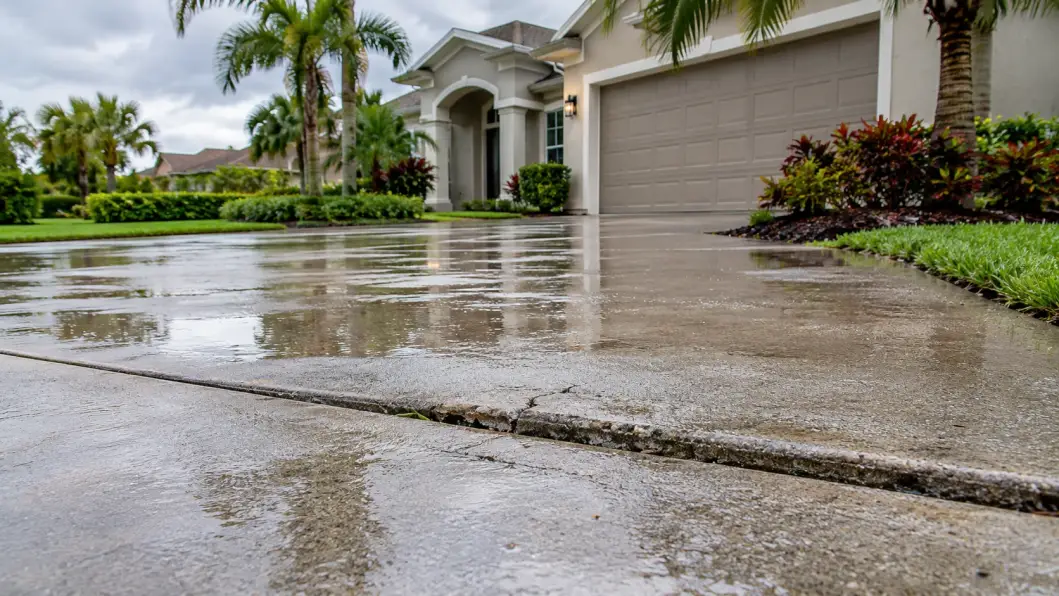
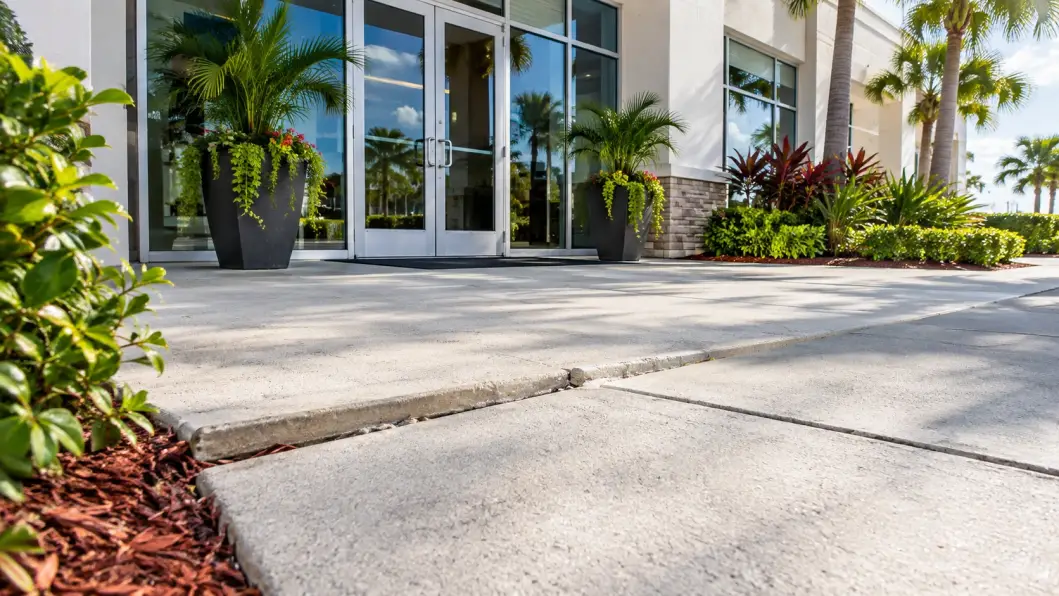
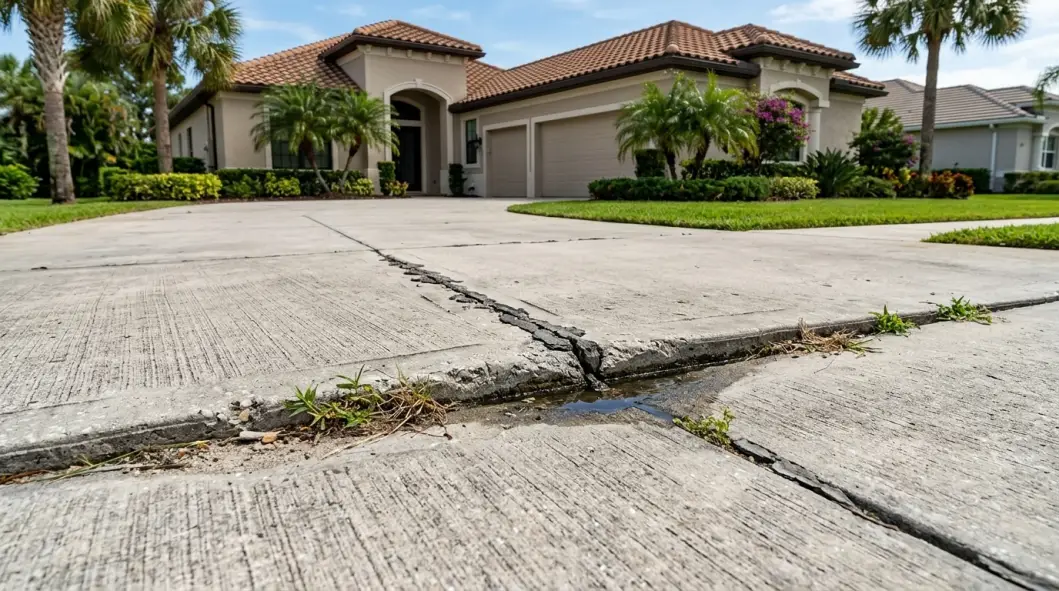
Uneven sidewalks in Orlando are more than just an eyesore—they are a real safety risk and a potential liability for homeowners, HOAs, and property managers. When sidewalk panels settle, tilt, or crack, they create trip hazards that can lead to injuries, complaints, and even insurance claims.
Many property owners assume that the only solution is full sidewalk replacement. In reality, much of the sinking and uneven concrete in Orlando sidewalks can be corrected with targeted sidewalk repair using polyurethane lifting. This approach restores support beneath the slabs, levels the panels, and extends the service life of the concrete—with far less disruption than replacement.
This guide explains why sidewalk repair in Orlando is such a common need, what causes slabs to move in the first place, how polyurethane lifting works, and how it helps protect both residents and property owners from costly consequences.
Why sidewalk repair in Orlando is so common
Sidewalk repair in Orlando is in high demand because the local soil, climate, and development patterns all increase the risk of concrete movement and settlement.
Key factors that make uneven sidewalks in Orlando so frequent include:
Sandy, highly permeable soils:
Much of the Orlando area is built on sandy or mixed soils that drain quickly but can lose density over time, especially when exposed to repeated wetting and drying cycles.Frequent irrigation and landscaping changes:
Sprinkler systems, planting beds, and tree watering keep soil around sidewalks constantly cycling between wet and dry. Hidden irrigation leaks can wash out soil beneath sidewalk panels, making sidewalk repair in Orlando necessary even when the concrete itself is still structurally sound.Tree root growth near walkways:
Root systems from street trees and landscaping can lift some panels while adjacent panels remain stable. This differential movement creates abrupt height changes—classic trip hazards that demand professional sidewalk repair in Orlando communities.Heavy rain events and localized flooding:
Intense Florida storms can temporarily flood low spots next to sidewalks. As water drains away, it often carries fine soil particles with it, gradually forming voids under the concrete.
Over time, these factors combine to create settled, rocked, and uneven sidewalk panels throughout Orlando neighborhoods, business parks, and community walkways.
Common causes of uneven sidewalks in Orlando
Understanding why sidewalks settle or lift helps determine the best sidewalk repair method in Orlando. The most frequent causes include:
1. Poor or uneven compaction of subgrade
During original construction, if the soil beneath sidewalk panels is not properly compacted—or if different sections receive inconsistent compaction—some panels may settle more than others as the soil consolidates over time. This leads to differential settlement and height differences where panels meet.
2. Soil washout and erosion
Water from irrigation, rainfall, or poor drainage can move along the edges of sidewalks and beneath slabs. As water travels through sandy or loose soils, it can carry fine particles away, creating voids under specific panels. Once that support is lost, the slab drops, causing a vertical offset that requires sidewalk repair in Orlando walkways.
3. Tree root lifting
Roots from nearby trees can exert upward pressure on sidewalk panels as they grow in diameter. Instead of uniform settlement, this causes localized heaving—where one panel rises relative to the next, creating a step. In these situations, sidewalk repair in Orlando may involve both addressing the concrete movement and coordinating with arborists or landscapers.
4. Utility trenches and backfilled areas
Sidewalks often run above or adjacent to utility corridors such as water lines, irrigation lines, electrical conduits, or communication ducts. If trenches were backfilled without adequate compaction, the fill material continues to settle long after construction, pulling down adjacent sidewalk panels.
5. Changes in drainage patterns
Re-grading lawns, adding new landscaping, or modifying downspouts can redirect water towards sidewalk edges. When that water concentrates along certain sections, it can weaken the supporting soils and trigger settlement in a specific stretch of the walkway.
Risks of ignoring sidewalk repair in Orlando
Delaying sidewalk repair in Orlando may seem like a way to save money in the short term, but it often leads to higher costs and greater risk over time.
Key risks include:
Trip and fall injuries:
Height differences as small as 1/4 inch can cause a person to catch their toe, and differences of 1/2 inch or more are widely recognized as serious trip hazards. Elderly residents, children, and people using strollers or mobility aids are especially at risk.Liability and insurance exposure:
Homeowners, HOAs, and commercial property owners can be held responsible when someone is injured due to obvious, unaddressed trip hazards on their property. Failing to act on known sidewalk defects can complicate insurance claims.Accessibility and ADA concerns (for applicable properties):
Uneven sidewalks can interfere with accessible routes, wheelchair navigation, and safe use of mobility devices. For certain types of properties, this may create compliance issues.Worsening structural damage:
Once a panel begins to settle or rock, additional water and debris can infiltrate joints and cracks. This usually accelerates further movement, making future sidewalk repair in Orlando more extensive and costly.
Addressing uneven sidewalks early reduces these risks and often allows for simpler, less invasive repair options.
Why replacement is not always the best solution
Full sidewalk replacement is sometimes necessary, especially when panels are severely broken, displaced, or structurally compromised. However, many cases of sinking or uneven sidewalks in Orlando involve slabs that are still structurally sound but have lost support beneath them.
In these situations, complete replacement can be:
More expensive:
Demolition, hauling away debris, forming, pouring, finishing, and curing all add cost. For long runs of sidewalk, these expenses add up quickly.Disruptive and time-consuming:
Entire segments may need to be closed off for days while new concrete cures. This can inconvenience residents, businesses, and pedestrians.Unnecessary from a structural standpoint:
If the concrete itself is not deteriorated, the real problem is typically the supporting soils underneath, not the slab material.
For many Orlando properties, a better first option is to pursue sidewalk repair with polyurethane lifting, which focuses on stabilizing and re-supporting existing slabs.
How polyurethane lifting works for sidewalk repair in Orlando
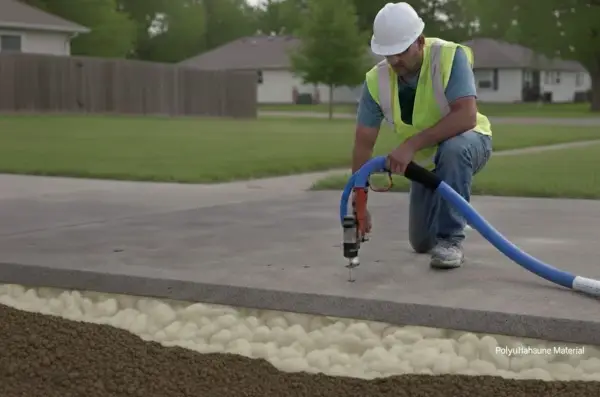
Polyurethane lifting (also known as foam jacking or polyjacking) is a modern, minimally invasive technique for sidewalk repair in Orlando that restores support beneath concrete and re-levels panels.
The process typically includes:
Assessment and mapping:
A trained technician evaluates which panels have settled, rocked, or created trip hazards, and identifies likely void locations or weak zones beneath the slabs.Drilling small injection holes:
Small holes—often around 5/8 inch in diameter—are drilled through the slab at strategic points. These are much smaller than traditional mudjacking holes, which helps preserve the appearance of the sidewalk.Injecting two-component polyurethane foam:
A two-part polyurethane material is injected through the holes. When the components mix, the foam expands, flows into voids, and makes contact with the underside of the slab.Filling voids and stabilizing the subgrade:
The expanding foam fills empty spaces and compresses loose soils, restoring bearing capacity under the slab. This is the critical structural part of sidewalk repair in Orlando—rebuilding support from below.Lifting and leveling the concrete:
As injection continues in controlled amounts, the slab begins to rise. Technicians monitor movement in real time, bringing panels back to a level position relative to adjacent slabs and eliminating trip lips.Finishing and cleanup:
Once the sidewalk is level, injection holes are patched, and the area is cleaned. In most cases, the repaired sidewalks can be walked on the same day, often within an hour or two.
Advantages of polyurethane sidewalk repair in Orlando
Polyurethane lifting has become a preferred method for sidewalk repair in Orlando due to several key advantages:
Minimal disruption:
No major demolition, no large equipment tearing up landscaping, and no long cure times. Walkways can often remain partially accessible during work and return to full use quickly.Fast cure time:
Polyurethane foam typically reaches functional strength within minutes, allowing same-day use of the repaired sections.Lightweight material:
The foam adds very little weight to existing soils, which is important in Orlando’s sandy conditions. Unlike heavy cement-based grout, it does not significantly increase the load on already sensitive soil.Moisture resistance:
Quality polyurethane foams are designed to resist water and will not wash out when exposed to moisture, irrigation, or groundwater.Precision control:
Technicians can make small, precise adjustments to bring panels into alignment, rather than simply “filling and hoping.”Extended service life for existing concrete:
By re-supporting and stabilizing sidewalks, polyurethane lifting can significantly extend the usable life of the concrete, delaying or avoiding full replacement.
When sidewalk repair with polyurethane is the right choice
Sidewalk repair in Orlando using polyurethane lifting is typically ideal when:
Concrete panels are structurally sound but have:
Settled
Tilted
Created vertical offsets at joints
There are visible trip hazards but no severe crumbling or disintegration of the slab surface.
The property owner wants to:
Minimize downtime and disruption
Control costs
Preserve existing landscaping
Address liability concerns quickly
Complete removal and replacement are generally reserved for:
Severely broken, heavily cracked slabs
Panels that have lost significant structural integrity
Situations where design changes or major regrading are planned
For many residential neighborhoods, HOAs, and light commercial properties in Orlando, polyurethane sidewalk repair strikes the ideal balance between cost, speed, and durability.
Preventing future sidewalk problems in Orlando
After sidewalk repair in Orlando is completed, a few proactive steps can reduce the chance of new issues:
Control irrigation:
Adjust sprinkler heads to avoid constant saturation of sidewalk edges. Fix leaks promptly and avoid overwatering near concrete.Monitor tree roots:
Coordinate with arborists or landscapers to manage root growth near sidewalks, and consider root barriers where appropriate.Maintain proper drainage:
Ensure that downspouts, gutters, and surface grading direct water away from walkways rather than towards them.Inspect sidewalks regularly:
Look for early signs of settlement or rocking panels and address them before they become large trip hazards or structural concerns.
By combining timely sidewalk repair in Orlando with good water management and landscaping practices, property owners can keep walkways safe, attractive, and long-lasting.
Take action on sidewalk repair in Orlando before problems grow
Uneven sidewalks rarely fix themselves. Small offsets can quickly turn into serious trip hazards, and minor voids under slabs can grow larger with each rainstorm or irrigation cycle.
Addressing sidewalk repair in Orlando early:
Reduces liability risk
Lowers total repair costs
Helps avoid full slab replacement
Improves safety and appearance for residents and visitors
If your sidewalks are showing signs of settlement, rocking panels, or noticeable trip hazards, professional evaluation and polyurethane lifting may be the most effective path to restoring a safe, stable walking surface.
Frequently Asked Questions
Who is responsible for sidewalk repair in Orlando?
That depends on the property type and location. In many cases, responsibility may fall on the homeowner, HOA, commercial owner, or another controlling party, which is why unsafe trip hazards should be reviewed quickly before liability becomes a bigger issue.
How much sidewalk height difference becomes a trip hazard?
Even a small vertical offset can become a real walking hazard, especially for children, older adults, and people using strollers or mobility aids. If one panel sits noticeably higher than the next, the walkway should be inspected before the risk gets worse.
Can tree roots or irrigation leaks make sidewalks uneven?
Yes. Tree roots can lift specific panels, while irrigation leaks and water washout can remove support beneath others. That combination often creates the uneven transitions and trip hazards many Orlando properties deal with.
Is polyurethane sidewalk lifting better than replacing the concrete?
If the slab is still structurally sound, polyurethane lifting is often the better first option because it restores support below the concrete and levels the panels without the cost and disruption of full replacement. Replacement is usually reserved for slabs that are badly broken or no longer structurally salvageable.
How long does sidewalk leveling take, and when can people walk on it again?
Most polyurethane sidewalk repairs are completed much faster than replacement, and the area can often return to service the same day. That makes it a strong option for homeowners, HOAs, and property managers who want to reduce downtime and correct hazards quickly.
📞 Call SlabFix Today: 407-379-2585
📍 Serving Orlando and Central Florida
💬 Free Inspection & Quote