When is Polyurethane Grout Injection an Effective Option for Residential Structure Rehabilitation?
1. Addressing Soil-Related Issues:
2. Condition of the Structure and Rehabilitation Goals:
3. Applicability in Home Infrastructure:
4. Enhancing Load-Bearing Capacity for Residential Areas:
5. Minimizing Disruptions and Downtime:
One of the significant advantages of polyurethane grout injection is its ability to minimize disruptions during residential rehabilitation. Traditional foundation or slab repairs often require extensive excavation, which can be both time-consuming and costly. Polyurethane injections, on the other hand, allow for quick and efficient stabilization with minimal intrusion, making them ideal for occupied homes or properties where downtime must be kept to a minimum.
6. Waterproofing and Moisture Control Benefits:
Beyond soil stabilization, polyurethane injections offer excellent waterproofing properties, making them an effective solution for addressing moisture-related issues in basements, crawl spaces, and foundation walls. The expanding polymer creates a water-resistant barrier that helps prevent water infiltration, mitigating risks such as mold growth, structural deterioration, and erosion around the foundation. This dual-purpose functionality enhances the long-term durability of residential structures.
Frequently Asked Questions
When is polyurethane grout injection a good option for residential repair?
Polyurethane grout injection is often a good option when a home has voids, weak supporting soil, sinking slabs, or water intrusion issues that do not require full structural replacement.
Can polyurethane grout injection fix sinking slabs and uneven driveways?
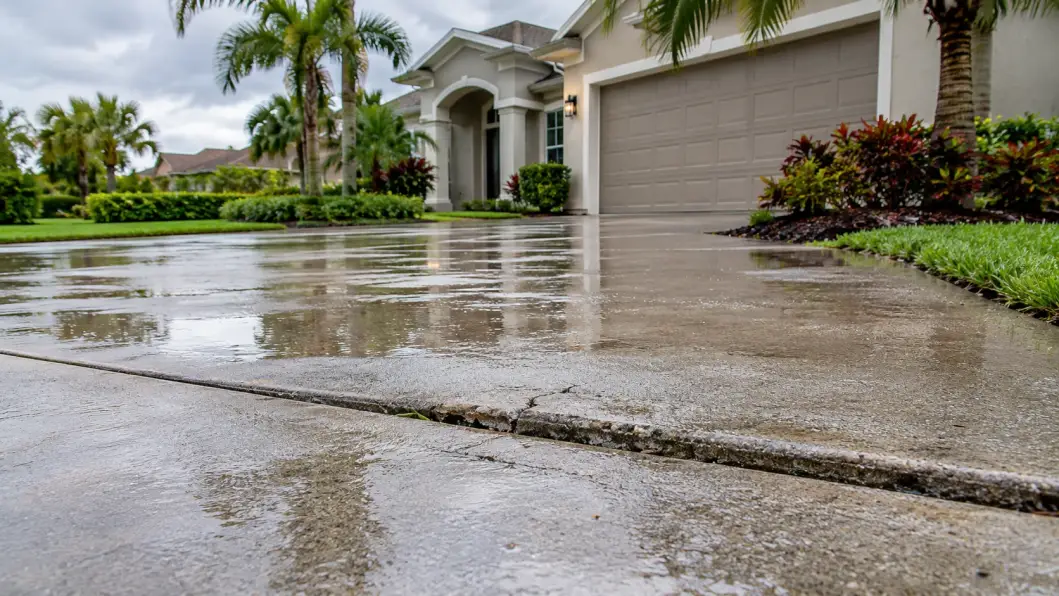
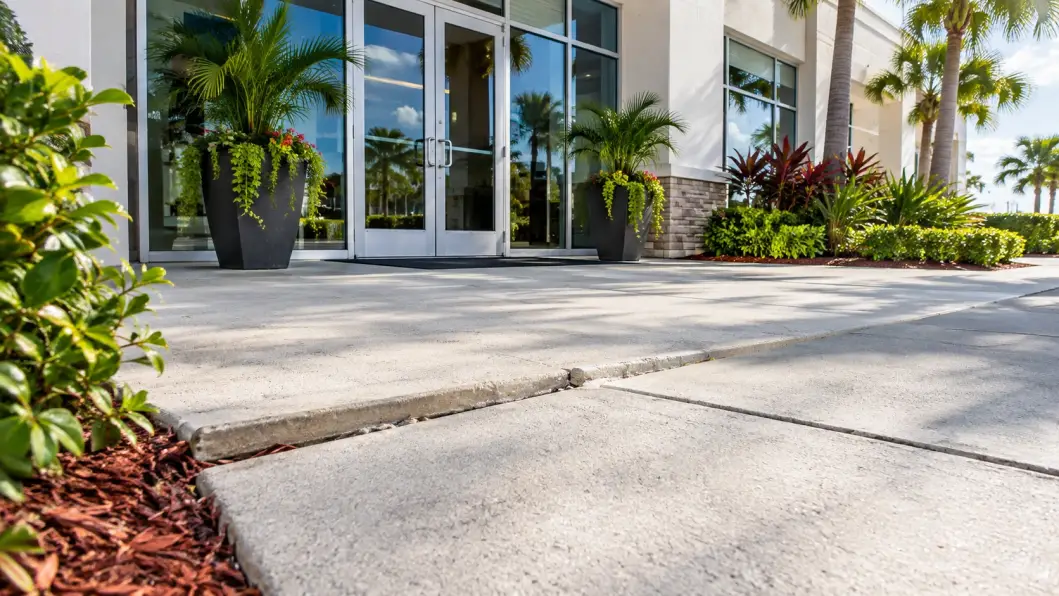
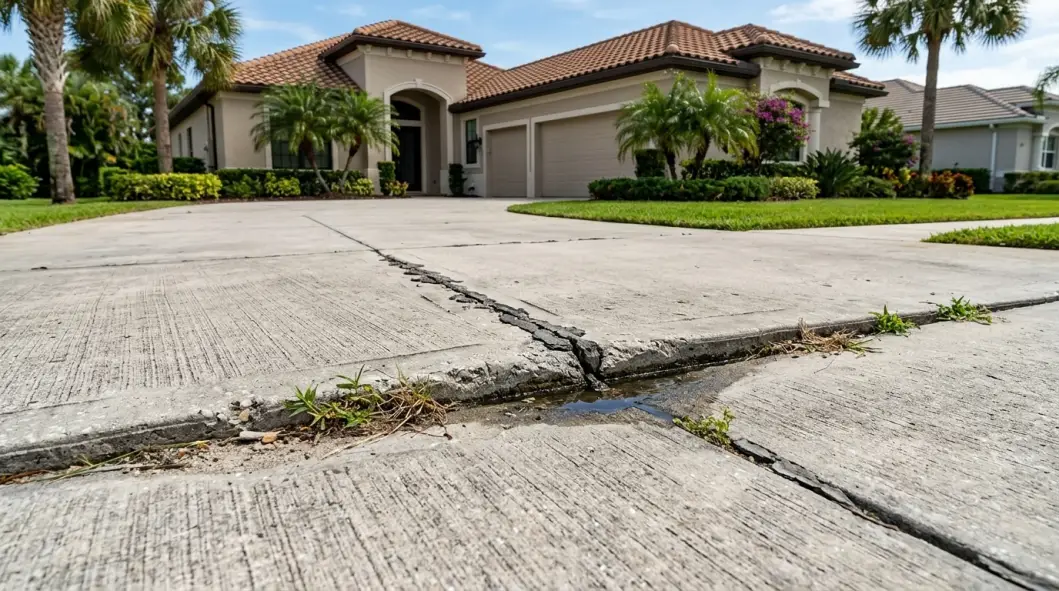
Yes. Polyurethane injection can fill voids beneath slabs, improve soil support, and help lift or stabilize uneven concrete in residential areas such as driveways, patios, and basement floors.
Does polyurethane grout injection help with water intrusion?
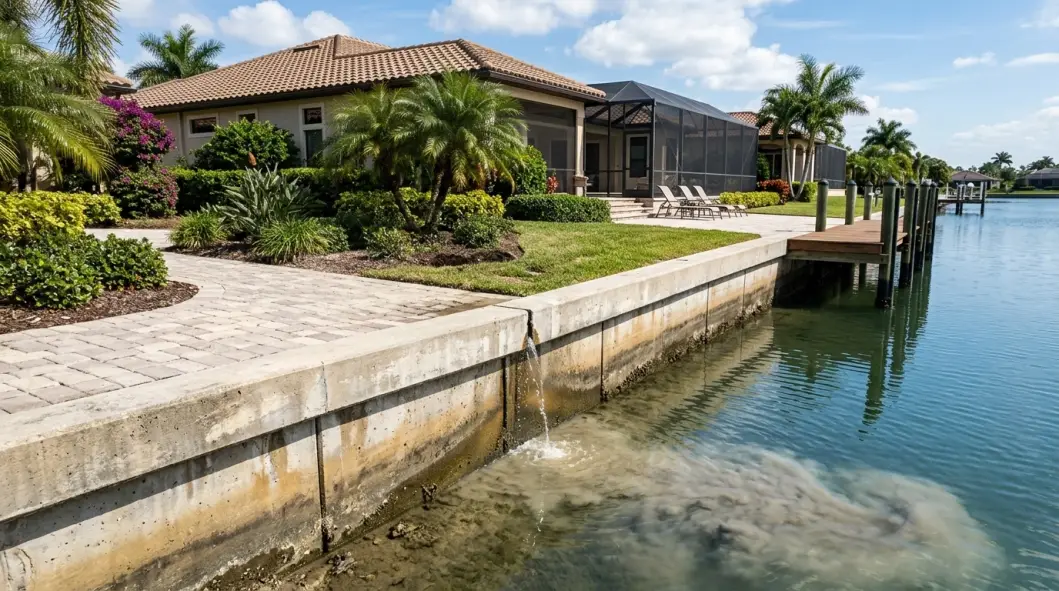
Yes. Polyurethane grout can expand into cracks and gaps, helping block water pathways and create a more water-resistant barrier in foundations, walls, and below-grade areas.
Is polyurethane grout injection less disruptive than traditional repair methods?
In many cases, yes. Polyurethane injection usually requires far less excavation than traditional repair methods, which makes it a faster and less disruptive option for occupied homes.
Can polyurethane grout injection strengthen soil under a residential structure?
Yes, when soil conditions are suitable. The expanding material can improve soil stability and increase support beneath residential slabs and foundations, but the final results depend on the type and condition of the existing soil.