Void Filling Under Warehouse and Commercial Slabs: Early Warning Signs Property Managers Miss
Warehouse and commercial floors are built to handle constant traffic, heavy storage loads, and demanding daily operations, but hidden support problems below the slab can develop long before obvious surface failure appears.
When soil migration, poor compaction, broken drains, or repetitive forklift loads affect the ground beneath the floor, empty spaces can form and leave the slab vulnerable to cracking, movement, and instability.
That is why Void Filling becomes such an important topic for property managers responsible for protecting warehouse operations, minimizing downtime, and avoiding larger structural repairs.
Two of the most common questions property managers ask are:
What causes voids under warehouse floors?
How do you know when Void Filling is needed under a commercial slab?
Understanding the warning signs early helps facility managers act before small support loss turns into slab settlement, operational disruption, or more expensive reconstruction.
This guide explains what Void Filling is, why voids form under commercial slabs, and which early warning signs property managers often miss until the damage becomes harder to control.
What Is Void Filling?
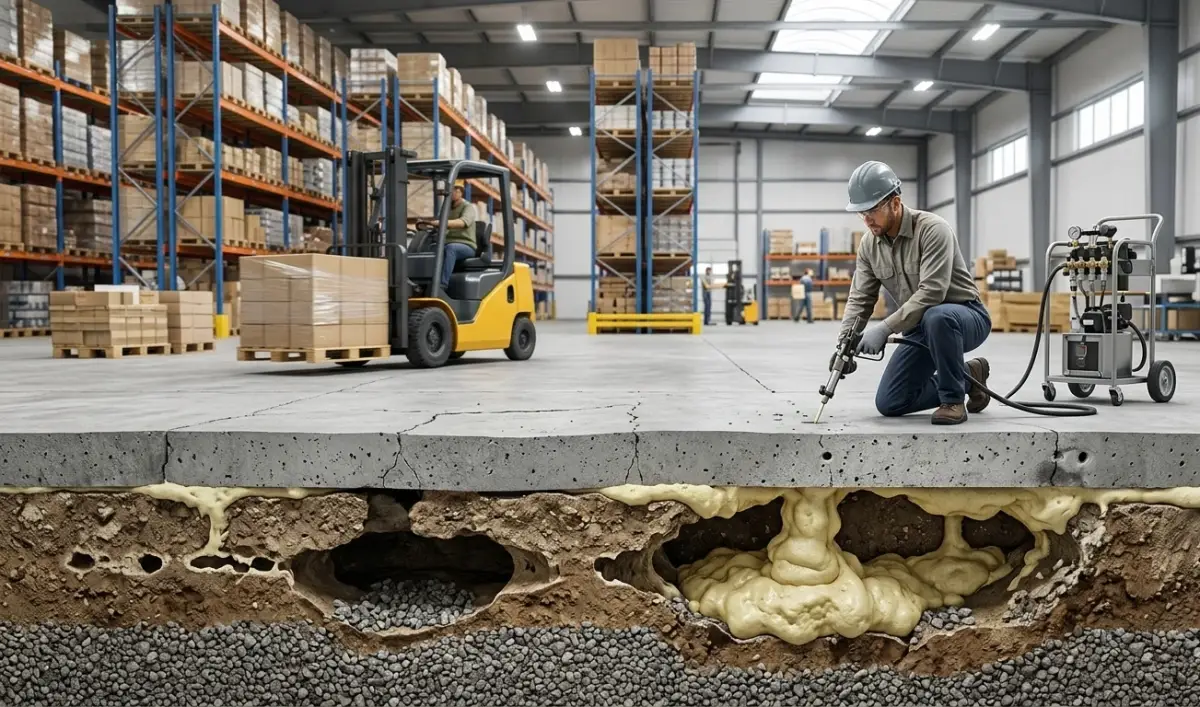
Void Filling is the process of injecting material beneath a concrete slab to fill empty spaces, restore lost support, and help stabilize the slab above.
In commercial environments such as warehouses, factories, business facilities, and retail properties, these hidden voids can create serious operational risks because the concrete floor depends on continuous support from the underlying soil.
When support is lost below the slab, the floor may still look mostly normal at first, but the structure above can begin to react through cracking, deflection, joint separation, and uneven movement.
Void Filling is especially relevant for warehouse and factory floors because those slabs often carry concentrated loads from forklifts, pallet jacks, machinery, and storage systems every day.
If a slab is no longer fully supported, even a small hidden void can become a much larger problem once repetitive traffic continues over the same weakened area.
That is why early Void Filling is often far more practical than waiting for visible slab failure.
Why Voids Form Under Warehouse and Commercial Slabs
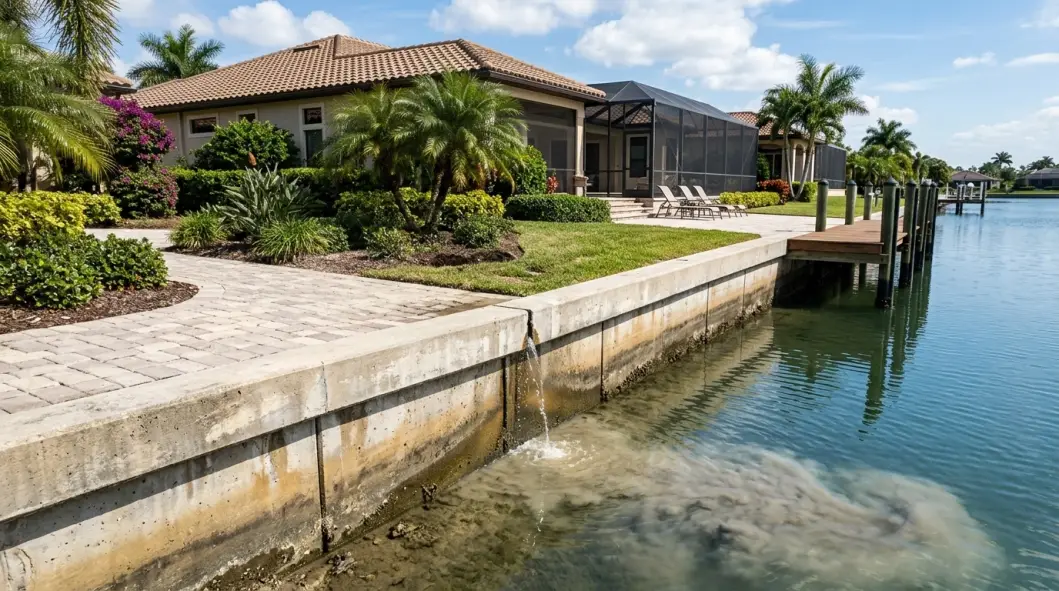
Voids under commercial slabs usually form because the soil beneath the concrete changes over time or is carried away by water.
Common technical causes include soil migration or washout, poor original compaction, broken pipes, leaking drains, surface water problems, and repeated heavy loading that slowly displaces loose soil.
Geobear’s commercial slab guidance specifically points to soil washout, ground consolidation, and soil displacement from forklift traffic or vibrating machinery as common causes of hidden void formation under business and warehouse floors.
SlabFix’s Florida factory case shows how serious the problem can become when a ruptured sewer line eroded about 20 cubic yards of compacted fill beneath a concrete floor, creating a major loss of support that required professional stabilization.
That example is important because it shows that slab problems in commercial settings often begin below the surface, not at the surface.
By the time the floor starts cracking or settling, the real issue may already be a significant sub-slab void that needs Void Filling rather than simple patching.
Early Warning Signs Property Managers Miss
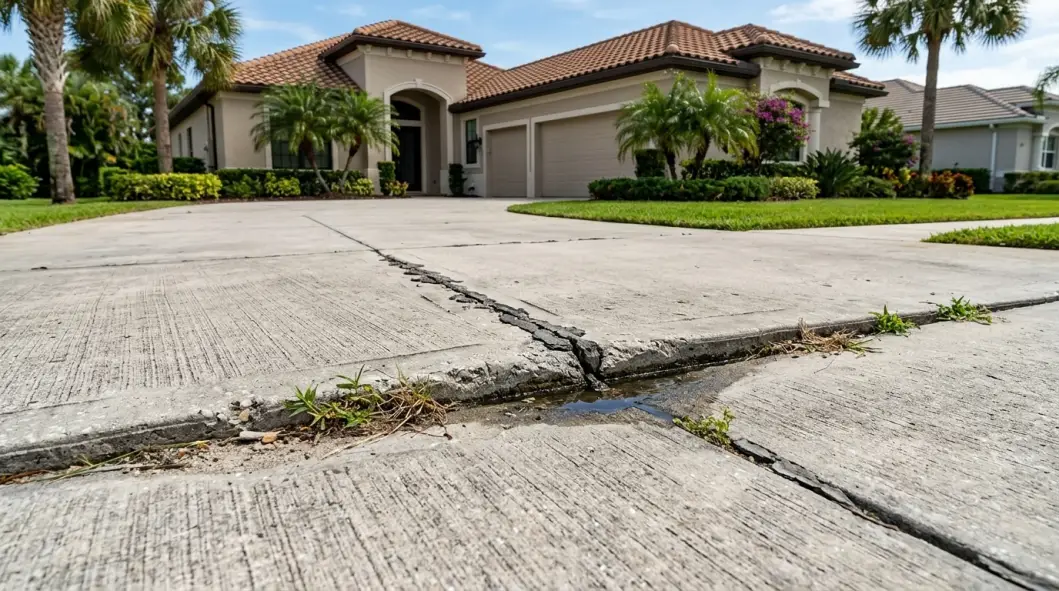
The first warning sign is often hairline cracking that keeps returning or spreading in the same area, because repeated cracking can indicate uneven support below the slab rather than a simple surface flaw.
A second warning sign is a hollow-sounding floor, especially when certain areas sound different under foot traffic or equipment movement, which can suggest that the slab is no longer fully bearing on the soil below.
A third warning sign is uneven forklift travel, because repetitive heavy loads can both reveal and worsen weak spots where the slab has started losing support.
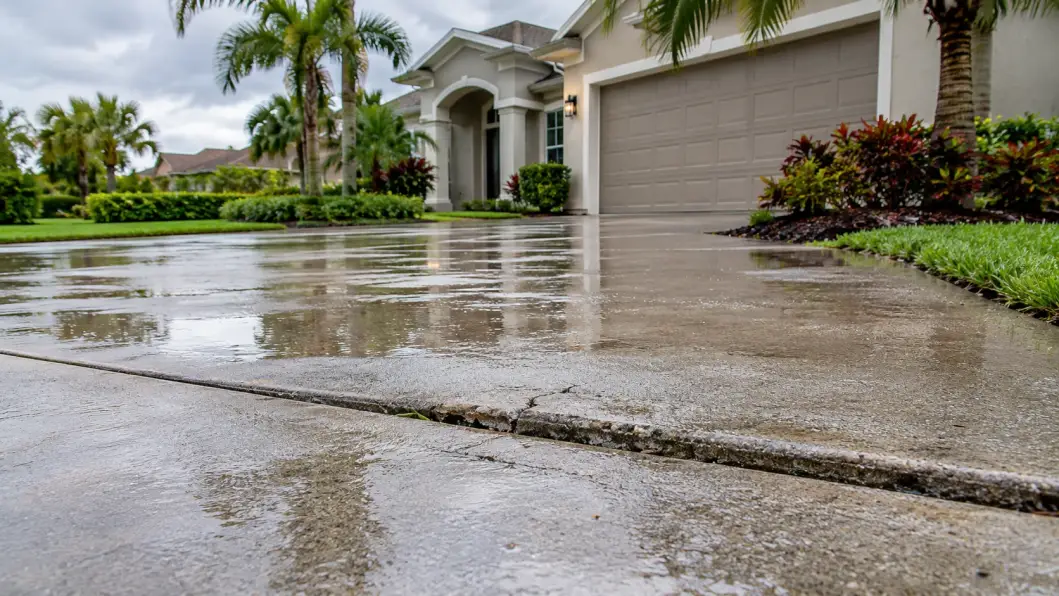
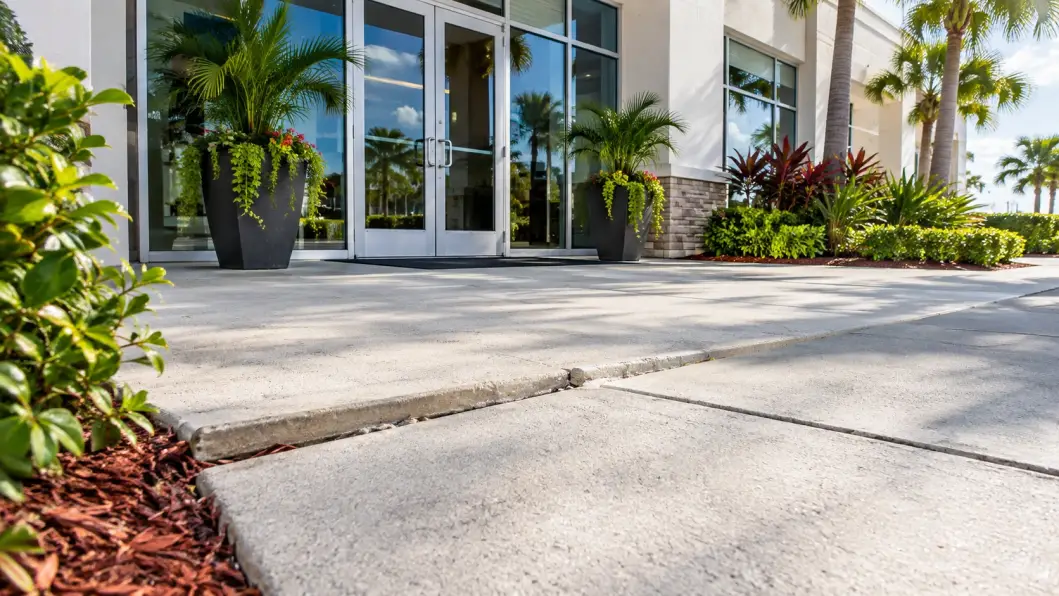
Property managers also miss joint separation or slight differences in elevation between slab sections, even though those changes may signal that one area is settling because of hidden support loss.
Another overlooked sign is new water pooling, since poor water management and subgrade erosion are directly connected to void development beneath commercial floors.
Repeated surface patch failures are another major clue, because cosmetic repairs usually do not last when the real problem is an unsupported slab that actually needs Void Filling.
In warehouse settings, managers should also watch for rack misalignment, stressed anchors, or floor movement near concentrated storage zones, because heavy static loads can expose slab instability faster than in low-traffic areas.
If the floor begins to crack, bounce, sound hollow, collect water, or settle near traffic lanes, those are all signs that professional Void Filling may be needed before the slab condition deteriorates further.
The biggest mistake is assuming the problem is only cosmetic when the real damage is developing underneath the slab.
How Void Filling Works Under Commercial Slabs
Modern Void Filling typically begins with identifying the affected slab area and locating the hidden empty spaces or weak zones beneath it.
Technicians then drill small access holes and inject material below the slab so the voids can be filled and the support system restored.
Commercial solutions can use expanding polyurethane materials designed to flow, expand, resist moisture, and stabilize weak soils without major excavation.
This matters in warehouse and factory environments because lightweight injected materials can fill voids while avoiding the disruption of tearing out and replacing large concrete sections.
Experts describes this kind of commercial Void Filling as a precise engineering process in which the injected resin flows into complex void spaces, repels water, and cures into lightweight but durable support beneath the slab.
SlabFix’s Florida factory case also shows that polyurethane-based Void Filling can restore lost support efficiently enough to help a facility continue with repairs and operations without major interruption.
In that Orlando-area factory project, SlabFix completed the stabilization work in just two days after severe soil loss under the floor, allowing new drainpipe installation without operational disruption.
That kind of result is exactly why early Void Filling is valuable for commercial property managers trying to protect production schedules, traffic flow, and building safety.
When the slab is still salvageable, Void Filling often addresses the root cause faster and with less disruption than full removal and replacement.
Why Early Void Filling Saves Money
Ignoring a hidden void under a warehouse slab can lead to larger cracks, more slab movement, water-related deterioration, equipment instability, and higher repair costs over time.
Once support loss spreads, the floor may begin to interfere with forklift movement, worker safety, storage alignment, and daily operations, which makes the cost of delay much greater than the original repair.
Early Void Filling helps property managers act before the slab reaches the point where extensive reconstruction or downtime becomes unavoidable.
For that reason, property managers should not wait for dramatic slab failure before scheduling an inspection.
If a commercial slab shows repeated cracking, hollow areas, slight settlement, unexplained pooling water, or movement under traffic, Void Filling may be the most important early repair step.
Acting early helps restore support, reduce future movement, and protect the long-term performance of warehouse and commercial concrete floors.
If your warehouse or commercial slab is showing these warning signs, SlabFix already has relevant experience with commercial void conditions in Florida, including a factory project where major sub-slab support was restored using polyurethane injection.
Frequently Asked Questions
How do I know if there are voids under my warehouse floor?
A warehouse floor may still look normal even when support is already missing below the slab. Common warning signs include repeated cracking, hollow-sounding areas, uneven forklift movement, joint separation, pooling water, or sections that feel unstable under traffic.
What usually causes voids under commercial concrete slabs?
In most cases, voids form because the soil below the slab changes or washes away over time. Common causes include poor compaction, leaking drains or pipes, water intrusion, soil migration, and repeated heavy traffic from forklifts or machinery.
Can a commercial slab have serious support problems before I see major surface damage?
Yes. That is one of the biggest risks with commercial slabs. Hidden support loss often starts below the surface long before major cracking, settlement, or slab failure becomes obvious from above.
What is the best way to fix voids under a warehouse floor without major disruption?
Modern void filling with polyurethane injection is often one of the most effective options. It can fill hidden empty spaces, restore support, stabilize weak zones, and reduce downtime compared with tearing out and replacing large slab sections.
When should a property manager schedule a void filling inspection?
The best time is as soon as warning signs appear. If the floor is cracking repeatedly, sounding hollow, shifting under traffic, or collecting water in new areas, early inspection can prevent larger repairs, safety issues, and operational disruption.
📞 Call SlabFix today at 407-379-2585 to schedule a professional inspection and learn whether void filling is the right solution for your warehouse or commercial property.