Why Is My Concrete Slab Sinking? Common Causes and the Best Fix Explained
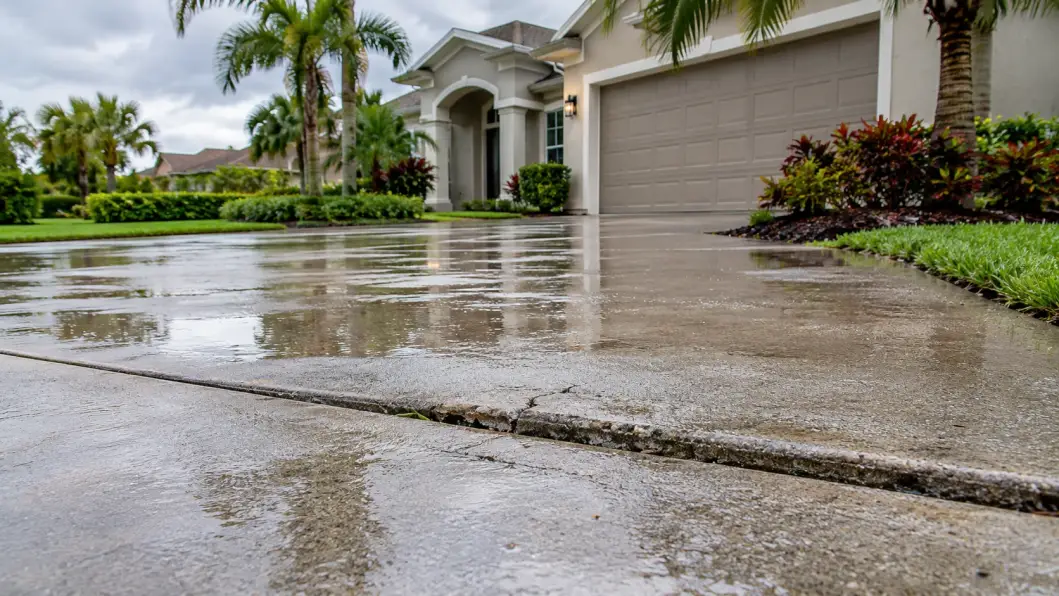
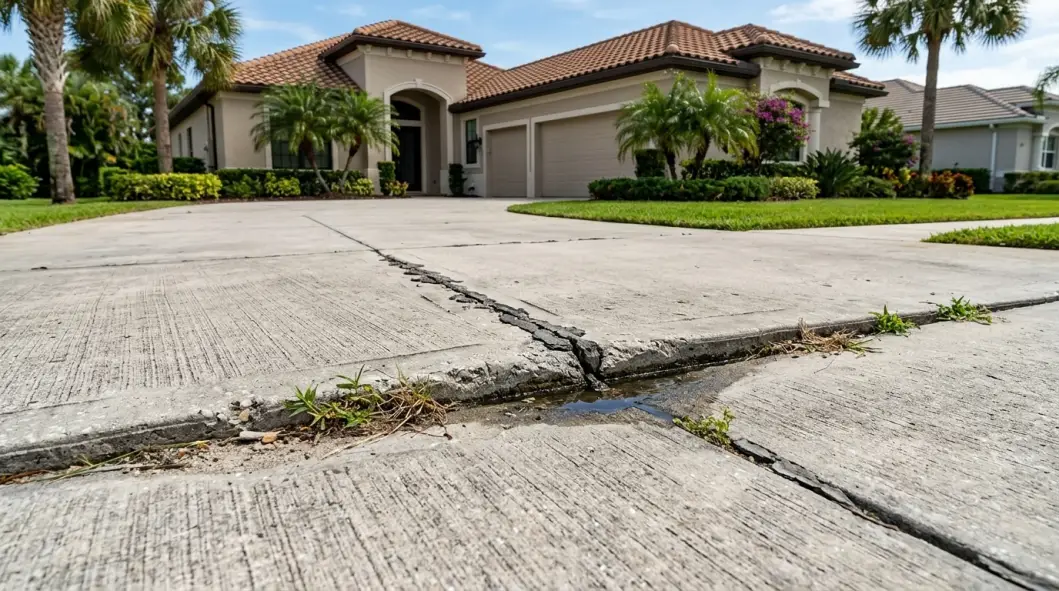
Concrete slab sinking is a common problem for homeowners, especially in areas with changing soil and moisture conditions. If you’re noticing uneven floors, cracks, or sections of concrete that appear lower than the rest, you may be dealing with concrete slab settlement.
The key thing to understand is this: concrete slabs sink because the ground beneath them changes. The concrete itself is rarely the issue—the real problem starts below the surface.
What Causes Concrete Slab Sinking?
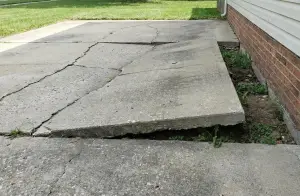
Concrete slab sinking happens when the soil supporting the slab can no longer carry its weight. Several factors contribute to this process.
1. Loss of Soil Support Beneath the Concrete Slab
One of the most common causes of a sinking concrete slab is the formation of voids under the slab. These empty spaces develop when soil is washed away, compressed, or displaced over time. Without uniform support, the slab begins to drop.
2. Water-Related Soil Movement
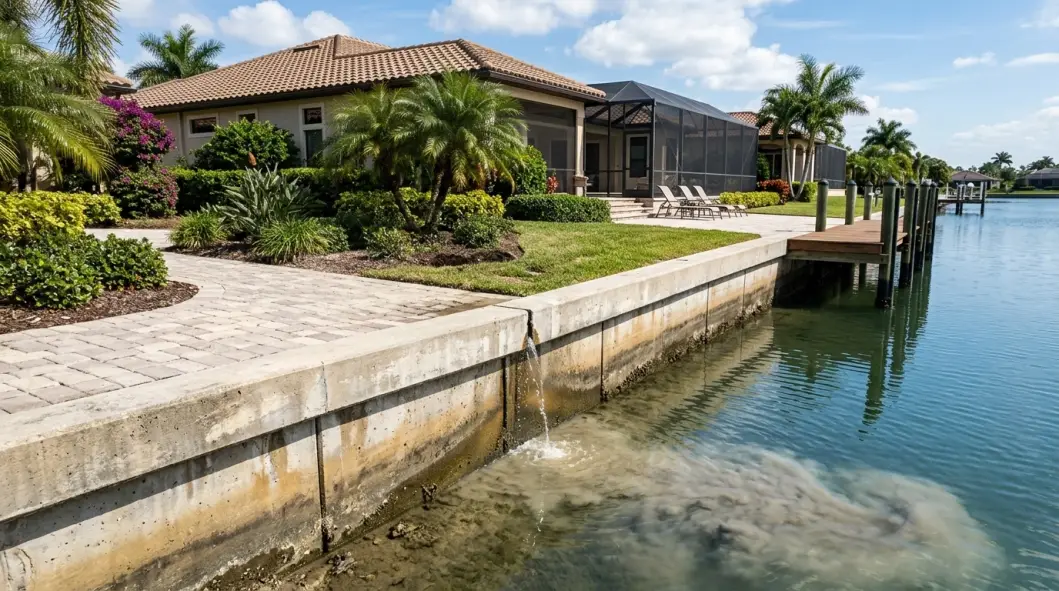
Water plays a major role in concrete slab sinking. Poor drainage, underground water flow, plumbing leaks, or heavy rainfall can weaken soil and reduce its load-bearing capacity. As water moves through the soil, it carries fine particles away, leading to gradual slab settlement.
3. Uneven or Weak Soil Conditions
Not all soil beneath a concrete slab is equally strong. Some areas may be dense and stable, while others are loose or sandy. Over time, weaker zones compress more than stable ones, causing the concrete slab to sink unevenly.
4. Long-Term Soil Compression and Fatigue
Concrete slabs are heavy. Over the years, constant weight, vibrations from traffic, and environmental stress cause soil to compact and lose volume. This slow process is a major contributor to concrete slab sinking under houses, driveways, and garages.
5. Environmental Factors That Increase Slab Settlement
In regions with frequent rain and shifting groundwater, concrete slab sinking is more likely. Repeated wet-and-dry cycles weaken soil structure, accelerating slab settlement and increasing the risk of uneven concrete surfaces.
Signs of a Sinking Concrete Slab
Concrete slab sinking doesn’t always start with visible cracks. Many homeowners notice subtle warning signs first, including:
Uneven or sloping concrete floors
Cracks forming where slabs meet walls
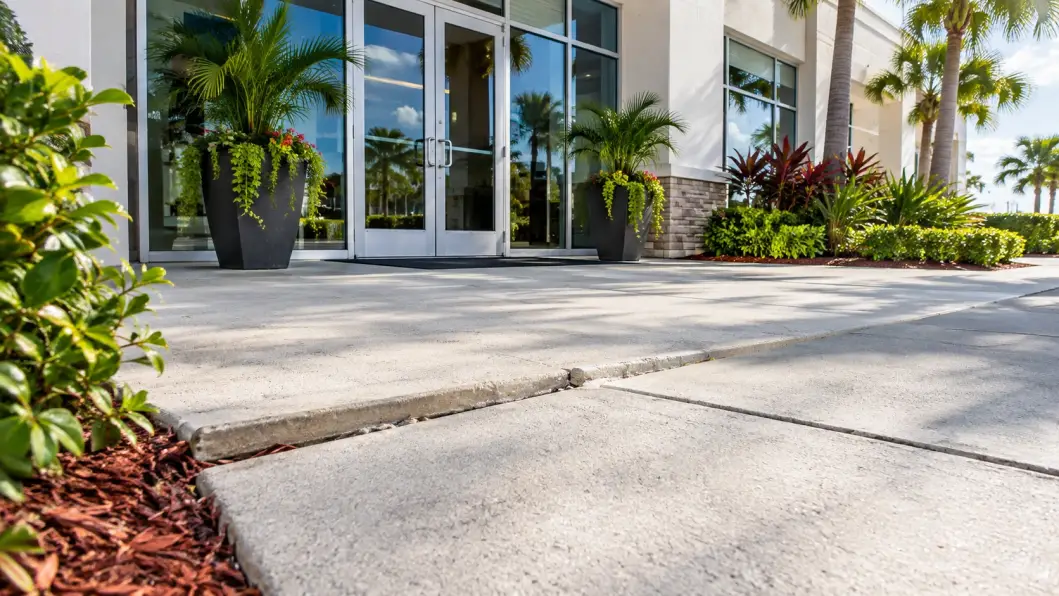
Gaps between concrete slabs and structures
Doors and windows that stick or won’t close properly
Pool decks, patios, or driveways sinking on one side
Catching concrete slab sinking early can prevent more serious structural problems later.
Why Concrete Slabs Can Sink Without Cracking
A common misconception is that concrete must crack before it sinks. In reality, a slab can settle as a single unit if support is lost evenly beneath it. Cracks often appear later, once stress builds up due to uneven settlement.
This is why concrete slab sinking problems are often worse than they look.
The Best Fix for Concrete Slab Sinking
The most effective way to fix a sinking concrete slab is to restore support beneath it—not just lift the surface.
Polyurethane Foam Injection for Concrete Slab Repair
Polyurethane foam injection is a modern solution designed to address the root cause of concrete slab sinking. The foam is injected beneath the slab, where it expands to fill voids, stabilize weak soil, and lift the concrete back to its proper level.
Benefits of polyurethane foam for concrete slab sinking:
Lightweight material that won’t overload weak soil
Expands to fill hidden voids under concrete slabs
Resists water and future soil erosion
Provides long-term stabilization, not just surface leveling
Minimal disruption and fast cure time
This approach is ideal for sinking concrete slabs in homes, driveways, sidewalks, pool decks, and garages.
New Insight: Why Concrete Slab Repairs Sometimes Fail
Many concrete slab sinking repairs fail because they focus only on surface correction. If the soil beneath the slab remains unstable, settlement can return.
Long-lasting concrete slab repair must:
Fill subsurface voids completely
Stabilize weak soil zones
Reduce future water movement beneath the slab
When these factors are addressed together, the chances of recurring slab settlement drop significantly.
When Is Concrete Slab Sinking a Serious Problem?
Concrete slab sinking becomes a serious concern when it:
Transfers stress to walls or foundations
Creates trip hazards or drainage problems
Allows water intrusion into the structure
Affects the overall stability of the building
Early concrete slab repair helps protect both safety and property value.
Final Thoughts
Concrete slab sinking is rarely a surface-level issue. It’s a sign that soil conditions beneath the slab have changed over time. By understanding the causes of concrete slab settlement and choosing a repair method that stabilizes the ground below, homeowners can avoid repeated repairs and costly replacement.
Addressing concrete slab sinking early is the best way to restore stability, safety, and peace of mind.
Frequently Asked Questions
What is the most common cause of concrete slab sinking?
The most common cause is loss of support beneath the slab. That usually happens when soil is washed out, weakly compacted, or changed by moisture over time, leaving the concrete without uniform bearing support.
Can a concrete slab sink without cracking?
Yes. A slab can settle as one piece if support is lost fairly evenly underneath it, and visible cracks may not appear until the settlement becomes more uneven or internal stress increases.
Is lifting the slab enough to fix the problem?
Not always. Long-term repair usually requires filling voids and stabilizing weak soil zones beneath the slab, because surface correction alone may not stop future settlement.
What is the best repair method for a sinking concrete slab?
That depends on the slab condition and the cause of settlement, but polyurethane foam injection is widely used because it can fill voids, lift the slab, and provide fast cure times with minimal disruption.
When should a homeowner take slab sinking seriously?
It becomes more serious when the movement affects walls, doors, windows, drainage, or walking safety, because those signs suggest the settlement is no longer only cosmetic.
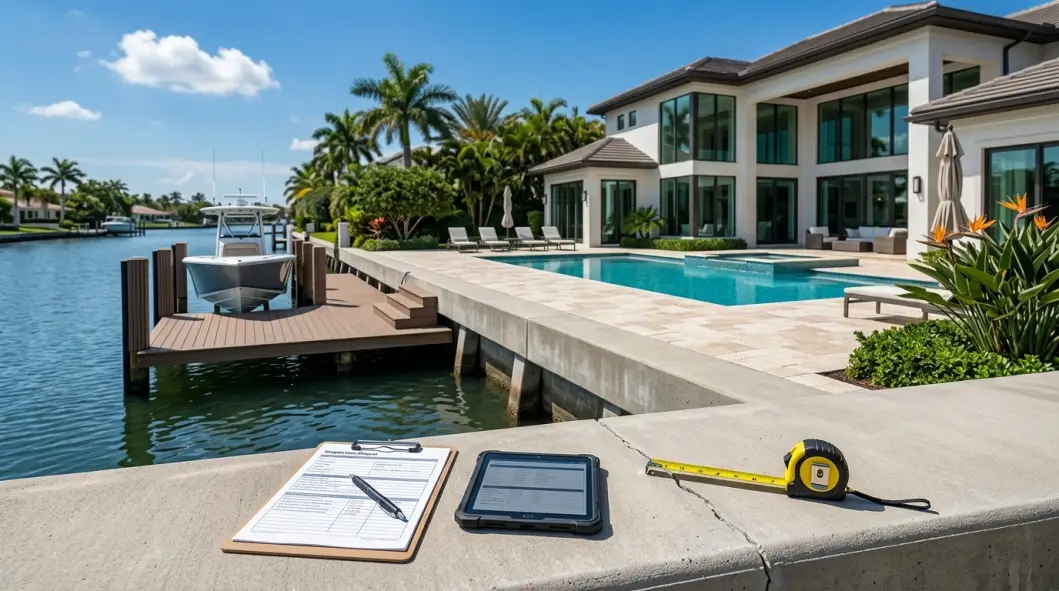
📞 Call SlabFix today at 407-379-2585 to schedule a professional inspection and learn whether void filling is the right solution for your warehouse or commercial property.