Why Waterfront Hotels and Resorts Need a Shoreline Protection Strategy
Waterfront hotels and resorts offer stunning views and premium experiences. However, they also face constant exposure to erosion and water damage. A strong shoreline protection strategy is not optional. It is essential for maintaining safety, guest satisfaction, and long-term property value.
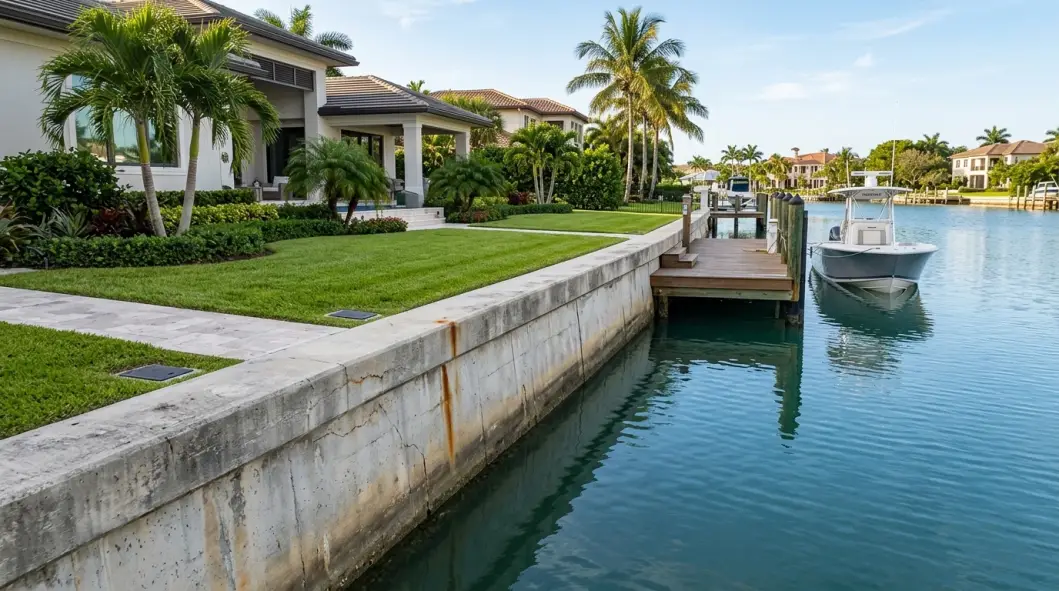
These properties operate in a harsh environment where water, wind, tides, and soil movement are always changing the shoreline. Over time, even slow erosion can weaken the ground beneath walkways, pools, patios, and waterfront access points. As a result, small problems can turn into expensive structural issues if property owners wait too long to act.
For hospitality businesses, the risk goes beyond physical damage. Guests expect comfort, safety, and a clean, attractive setting. Therefore, any sign of deterioration can affect reviews, reduce bookings, and harm the brand image. A proactive shoreline protection strategy helps hotel owners stay ahead of these risks and protect their investment.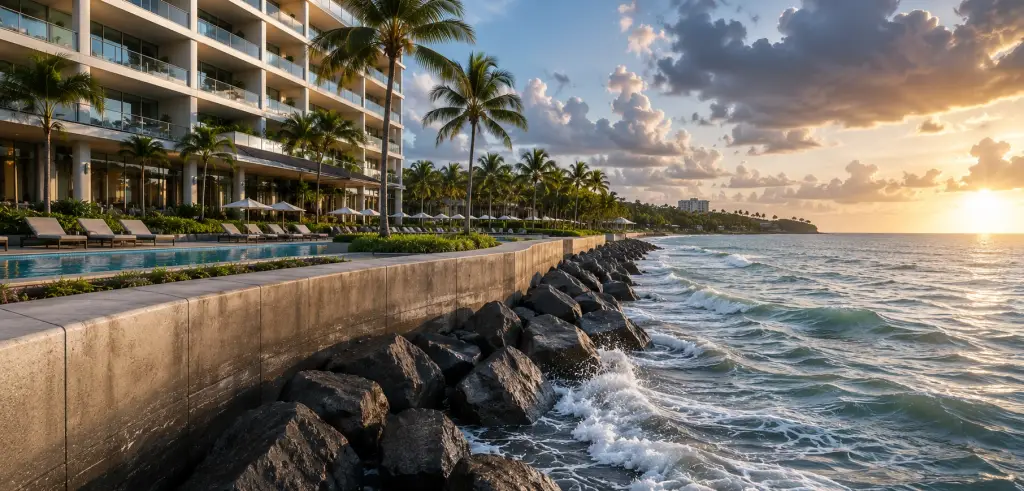
Understanding the Risks of Waterfront Erosion
Erosion is a natural process. However, for waterfront properties, it can quickly become a serious financial and structural concern. Hotels and resorts are especially vulnerable because they depend on outdoor spaces and shoreline access.
Several factors can speed up shoreline damage. These include:
Wave action and tidal changes.
Storm surges and heavy rainfall.
Poor drainage and soil washout.
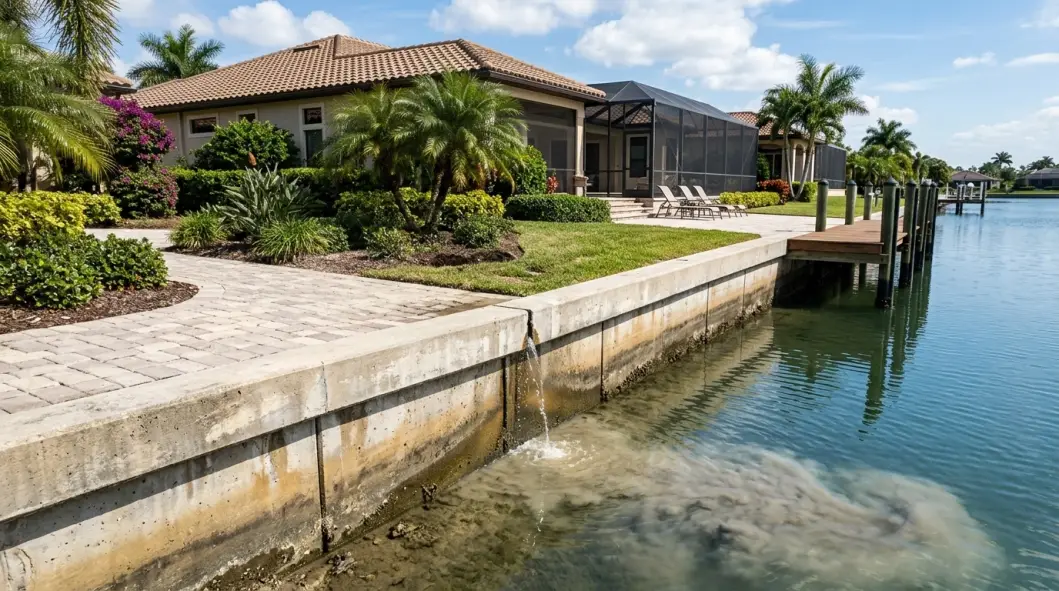
Aging or damaged seawalls.
In many cases, these issues begin quietly. Then, they slowly lead to soil loss, foundation movement, and costly repairs.
Why a Shoreline Protection Strategy Matters
A well-planned shoreline protection strategy focuses on prevention, stabilization, and long-term durability. Instead of reacting after damage appears, it helps keep the property secure and functional throughout the year.
This approach offers several important benefits:
It protects high-traffic guest areas.
It lowers the risk of sudden structural failures.
It helps control maintenance costs.
It supports long-term property value.
In addition, preventive action is usually far more cost-effective than emergency repairs. That is why shoreline planning should be part of every waterfront hotel’s long-term maintenance plan.
Protecting Guest Areas and Amenities
Guest-facing spaces are among the most valuable parts of any resort. These areas include beaches, pool decks, walkways, patios, and waterfront access points. Unfortunately, erosion can damage all of them.
Common problems caused by erosion include:
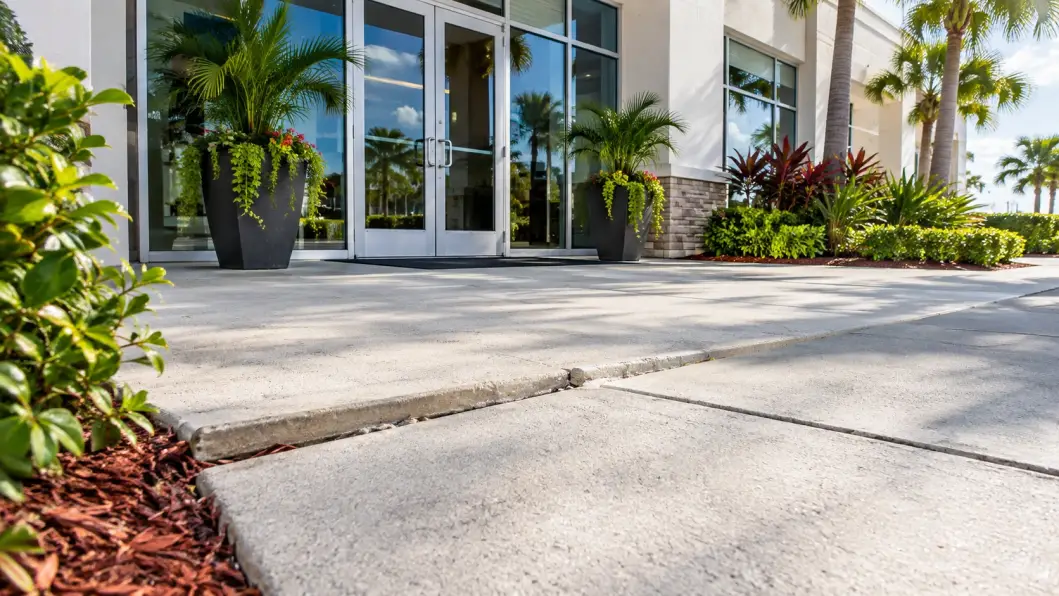
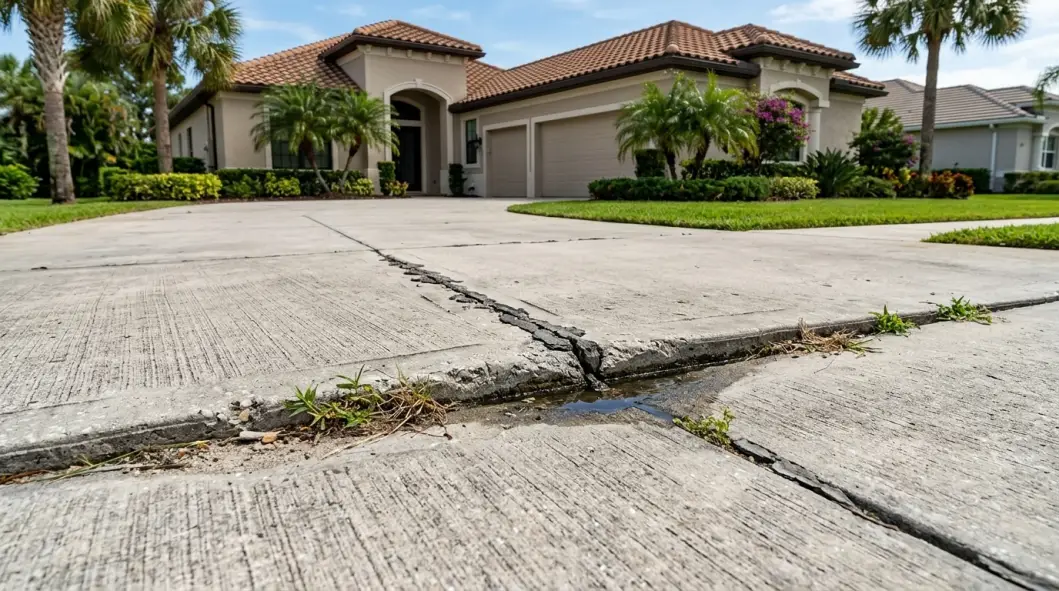
Sinking or uneven concrete surfaces.
Cracks in pool decks and walkways.
Loss of beachfront space.
Landscaping damage and drainage issues.
Because of this, hotels need solutions that protect both appearance and safety. Seawall repair, erosion control systems, and foam injection for soil stabilization help keep these spaces level, secure, and visually appealing.
How Erosion Affects Guest Experience
Guest satisfaction is closely tied to property condition. Even small signs of damage can change how guests view a resort. For example, cracked concrete, blocked beach access, or unstable ground can make a property feel neglected.
Erosion-related issues often create the following guest concerns:
Unsafe walking surfaces.
Limited beach access.
Visible damage near the water.
Noise and disruption from emergency repairs.
As a result, a shoreline protection strategy does more than protect the property. It also helps protect the guest experience, which is critical in the hospitality industry.
Preventing Expensive Emergency Repairs
One of the biggest risks of ignoring erosion is the need for urgent repairs. Once damage reaches a certain point, the property may need immediate work to prevent further loss.
Emergency repairs often lead to:
Higher costs than planned maintenance.
Temporary closure of guest areas.
Interruptions to daily operations.
Safety concerns for guests and staff.
For this reason, hotel owners should focus on prevention. Regular inspections, foam filling, and soil stabilization can help catch problems early. Consequently, the property stays safer and repair costs remain more manageable.
Protecting Long-Term Property Value
Waterfront properties are premium assets. However, erosion can reduce land stability, damage structures, and weaken long-term value if it is not addressed.
A consistent shoreline protection strategy helps:
Preserve usable beachfront and outdoor space.
Protect foundations from water intrusion.
Maintain structural integrity over time.
Support stronger pricing and occupancy rates.
In other words, shoreline protection is not just a repair decision. It is also a financial strategy that supports the long-term value of the entire property.
Planning Maintenance Without Disrupting Guests
Maintenance in hospitality must be planned carefully. Hotels and resorts cannot afford to disturb guests with loud, invasive construction if it can be avoided. Fortunately, modern repair methods make this much easier.
Techniques like polyurethane foam injection and targeted concrete leveling offer:
Fast application with minimal downtime.
Quiet operation compared to traditional methods.
Precise repairs without major excavation.
Because of this, repairs can often be completed during low-traffic hours or in phases. That means the hotel can protect its shoreline without sacrificing the guest experience.
Choosing the Right Shoreline Protection Solutions
Every waterfront property has different conditions. Therefore, the right solution depends on the type of damage, the soil condition, and the structure’s exposure to water.
Common solutions include:
Seawall repair to restore structural barriers.
Erosion control systems to reduce soil loss.
Foam injection for soil stabilization and void filling.
Concrete lifting to level sinking surfaces.
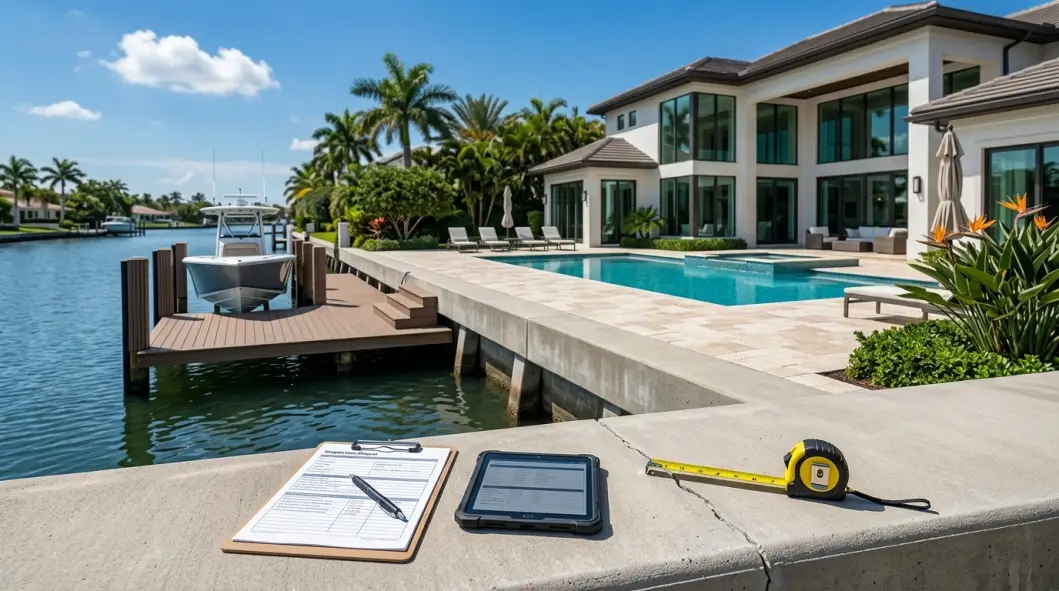
When these solutions are selected correctly, they work together to protect the property and reduce future damage. That is why a professional inspection is always the best starting point.
Why SlabFix Is the Right Partner
SlabFix specializes in shoreline protection, erosion control, and concrete stabilization for waterfront properties. The focus is on durable results, efficient work, and minimal disruption to operations.
With services like seawall repair, foam injection, and soil stabilization, SlabFix helps hotels and resorts maintain safe, attractive, and high-performing outdoor spaces. As a result, property owners can protect their investment while giving guests a better experience.
FAQ
What is a shoreline protection strategy for waterfront hotels?
A shoreline protection strategy includes seawall repair, erosion control, and soil stabilization methods that protect land, structures, and guest areas.
Why do hotels need shoreline protection?
Hotels need it to prevent erosion damage, protect guest spaces, and avoid costly emergency repairs that can interrupt operations.
How does erosion affect resort properties?
Erosion can cause sinking concrete, damaged amenities, reduced beach space, and safety risks for guests.
What are the best shoreline protection methods?
The best methods often include seawall repair, foam injection for soil stabilization, and concrete leveling to keep surfaces stable and safe.
Can shoreline repairs be done without disturbing guests?
Yes. Modern methods like foam injection are fast and minimally invasive, so repairs can often be completed with very little disruption.
📞 Call SlabFix today at 407-379-2585 to schedule a professional seawall inspection and learn more about the most effective solutions for your property.