Soil Stabilization in Florida: The Key to Preventing Concrete Slab Failure
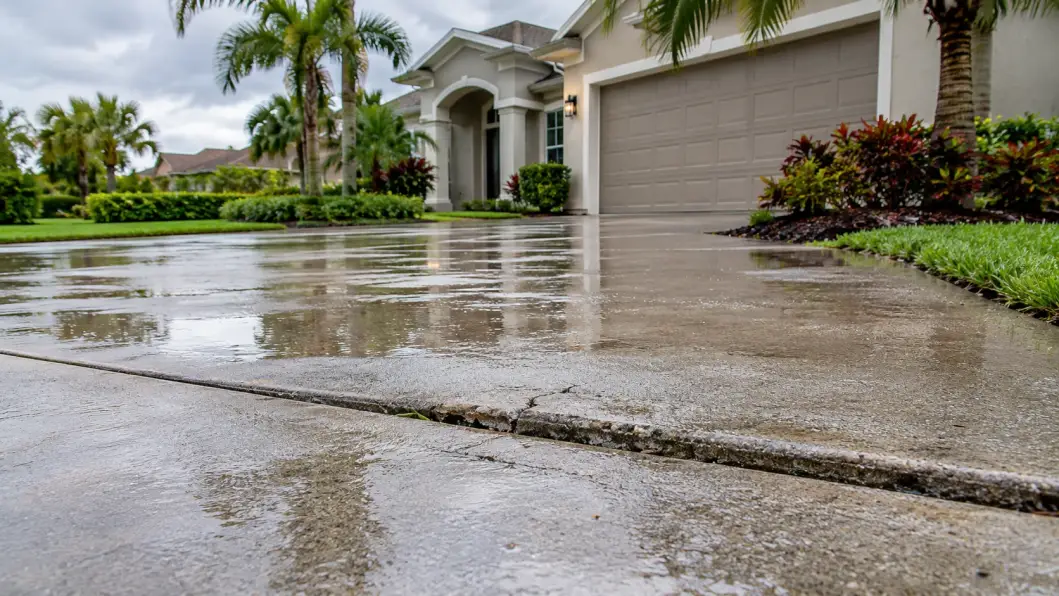
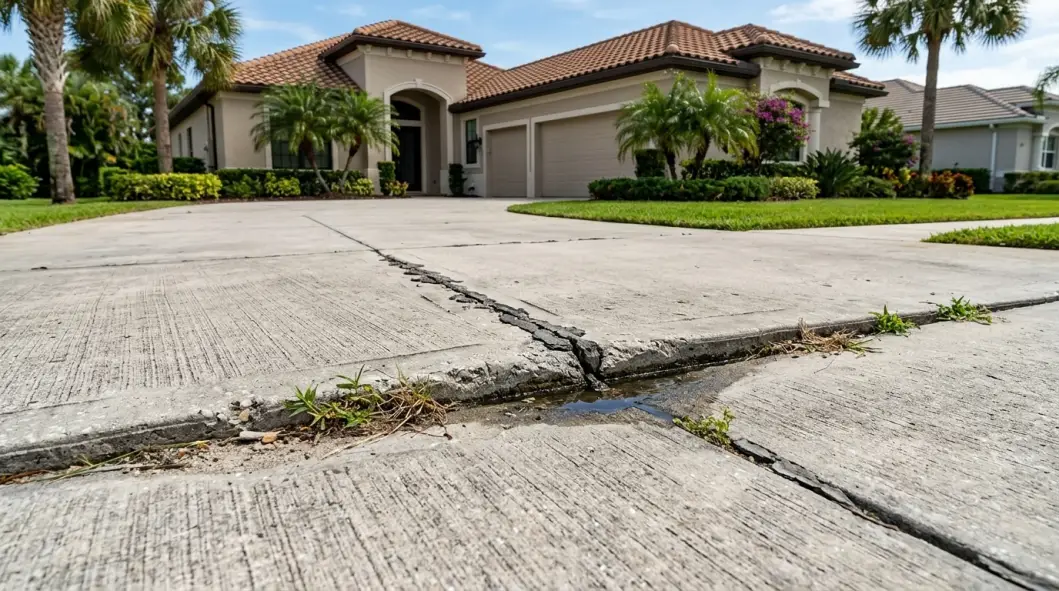
When driveways sink, pool decks crack, or seawalls begin to lean, most Florida property owners focus entirely on fixing the concrete. However, concrete is rarely the actual problem. The real culprit lies hidden beneath the surface: weak, eroding, and shifting ground. Without proper soil stabilization, any repair you make to the surface will only be a temporary band-aid.
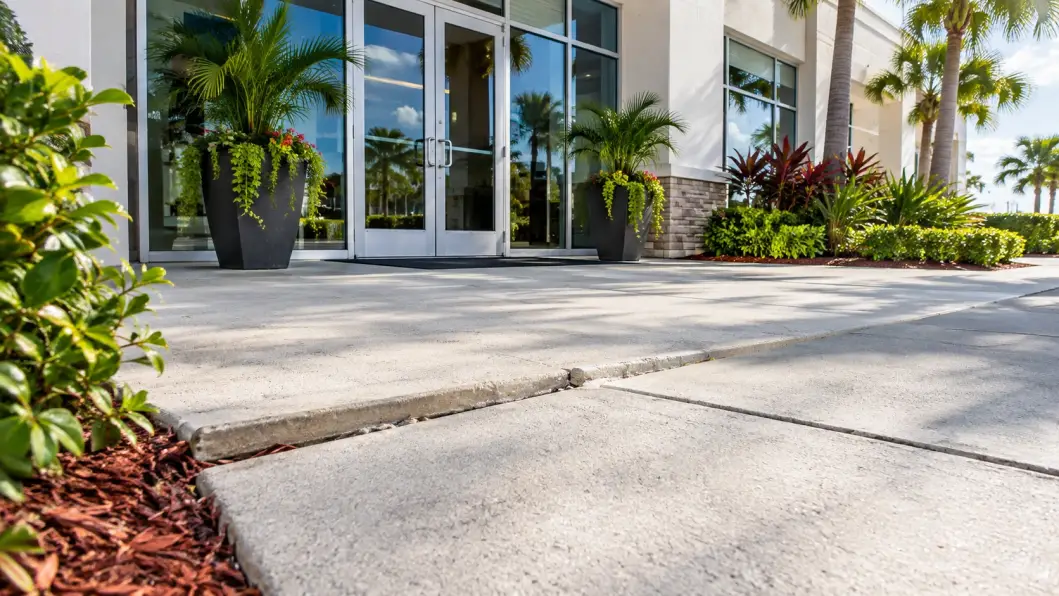
Whether you are dealing with a tripping hazard on a residential sidewalk or a failing commercial foundation, soil stabilization is the mandatory first step for a permanent fix.
This guide explains why Florida’s unique ground conditions destroy concrete, why surface patches fail, and how polyurethane injection delivers ultimate soil stabilization to protect your property for decades.
Why Soil Stabilization is Critical in Florida
Florida’s geography creates a perfect storm for foundation and slab settlement. The ground beneath our homes is constantly moving and changing due to environmental stress.
Key factors that make soil stabilization an absolute necessity include:
Sandy, loose earth: Much of Florida is built on sandy soils that lack natural cohesion and wash away easily.
Heavy seasonal rainfall: Intense monsoon-like rains saturate the ground, carrying away fine dirt particles and leaving hidden voids.
High groundwater tables: Fluctuating water levels constantly soften the base layers beneath concrete slabs.
Irrigation and drainage issues: Leaking sprinkler lines or poor gutter placement accelerate erosion right next to home foundations.
When the earth washes away or compacts, your heavy concrete slabs are left suspended in the air. Eventually, gravity wins, and the concrete cracks or sinks. Soil stabilization addresses this root cause by binding the earth back together.
The Dangers of Ignoring Soil Stabilization
Choosing to ignore the ground conditions beneath your sinking slabs leads to compounding structural and financial problems.
Without effective soil stabilization, you risk:
Recurring concrete damage: Patched cracks will reopen as the ground continues to sink.
Trip and fall liabilities: Uneven slabs create dangerous walkways that invite lawsuits.
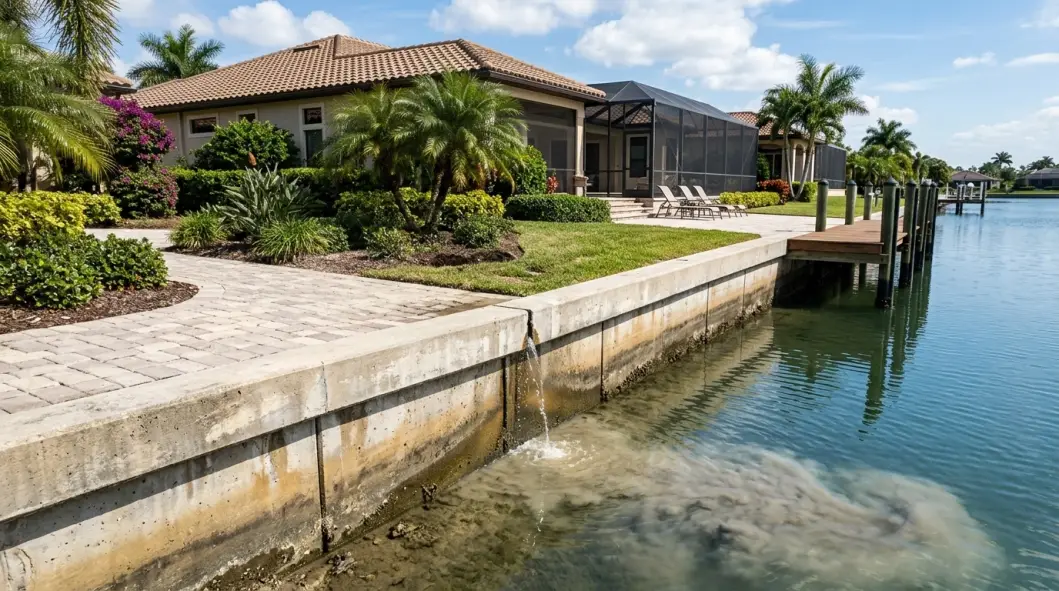
Seawall collapse: Waterfront properties without soil stabilization face catastrophic seawall failure as tidal waters pull the dirt out from behind the wall.
Foundation stress: Sinking perimeter slabs can allow water to pool against your home’s main foundation, threatening the entire structure.
Why Traditional Repairs Fail Without Soil Stabilization
For decades, the standard response to sinking concrete was either replacing the slab entirely or pumping heavy cement slurry underneath it (mudjacking). Both methods completely miss the mark when it comes to soil stabilization.
Concrete replacement: Pouring a brand-new, heavy slab over the same weak, eroded dirt guarantees that the new slab will sink just like the old one.
Mudjacking: Pumping heavy cement mixtures (weighing up to 120 lbs per cubic foot) into the voids adds massive weight to an already failing subgrade. It does not provide true soil stabilization; it merely burdens the weak earth further.
To fix the problem permanently, you don’t need heavier materials—you need smarter materials that strengthen the ground.
How Polyurethane Foam Achieves Permanent Soil Stabilization
Polyurethane foam injection is the modern, scientifically proven method for true soil stabilization. It doesn’t just fill empty spaces; it transforms the environment beneath your concrete.
Here is how the polyurethane soil stabilization process works:
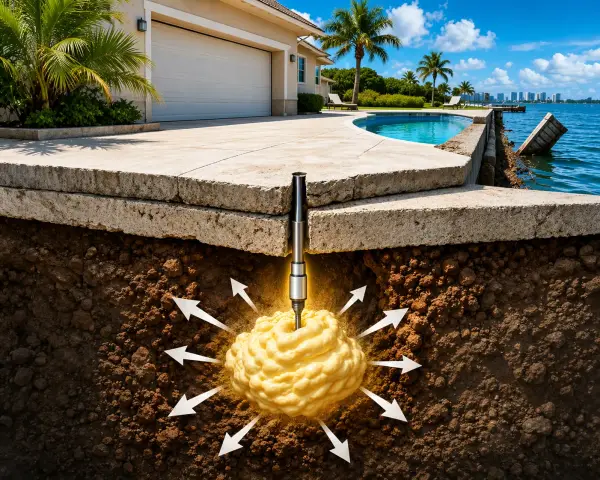
Targeted injection: Small, 5/8-inch holes are drilled through the sunken slab.
Deep penetration: A two-part liquid polyurethane is injected. Before it expands, it flows into the loosest, weakest areas of the soil.
Expansion and compaction: As the foam expands up to 30 times its liquid volume, it violently compresses the surrounding loose dirt, packing it tightly.
Binding the earth: The sticky resin acts like a superglue, binding sandy soils together into a rock-hard, cohesive mass. This is the core of effective soil stabilization.
Lifting the slab: Once the ground is fully stabilized, the expanding foam gently and precisely lifts the concrete back to its original, level position.
The Advantages of Polyurethane for Soil Stabilization
For Florida properties, polyurethane offers unmatched benefits for soil stabilization:
100% Waterproof: Unlike mudjacking, polyurethane is hydrophobic. It cures in wet conditions and will never wash away during floods or heavy rain.
Ultra-lightweight: Weighing only 2 to 4 pounds per cubic foot, it adds almost zero extra burden to the earth.
Fast-acting: The material cures and reaches 90% strength in just 15 minutes, allowing you to use your driveway or pool deck immediately.
Environmentally safe: High-quality polyurethane foams do not leach harmful chemicals into Florida’s sensitive groundwater.
Where is Soil Stabilization Used?
Soil stabilization using polyurethane is incredibly versatile. SlabFix successfully applies this technology to:
Sinking pool decks and patios
Uneven driveways and garage floors
Settling interior residential floors
Eroding seawalls and bulkheads
Commercial warehouse floors and loading docks
In every scenario, the goal is the same: fix the dirt first, and the concrete will follow.
Protect Your Property with Expert Soil Stabilization
Don’t waste money pouring new concrete over bad dirt. If you have sinking slabs, cracking walls, or an eroding seawall, you need a subsurface solution.
Proper soil stabilization stops settlement in its tracks, prevents water intrusion, and saves you up to 70% compared to the cost of tearing out and replacing your concrete.
Frequently Asked Questions
Why does concrete keep sinking even after it has been repaired?
In many cases, the concrete is not the real problem. The soil underneath has already weakened, shifted, or washed away. If the ground is not stabilized first, cracks, sinking, and uneven slabs often come back.
What is soil stabilization and why does it matter so much in Florida?
Soil stabilization is the process of strengthening weak ground so it can properly support concrete, structures, and seawalls. In Florida, this matters even more because sandy soils, heavy rainfall, high groundwater, and drainage problems often create hidden voids and unstable support below the surface.
Is replacing the concrete enough if the soil underneath is failing?
Usually not. A new slab placed over weak or eroding soil can sink just like the old one. That is why permanent repair starts below the surface by stabilizing the ground before focusing on the concrete itself.
How does polyurethane injection stabilize soil under concrete?
Polyurethane injection flows into weak zones and hidden voids beneath the slab before expanding. As it expands, it compacts loose soil, fills empty spaces, binds unstable ground together, and can then lift the concrete back into position.
What types of property problems can soil stabilization fix?
Soil stabilization can help with sinking driveways, cracked pool decks, uneven garage floors, settling interior slabs, eroding seawalls, and weak commercial floors. In each case, the goal is the same: restore support below the surface so the repair lasts longer.
📞 Call SlabFix Today: 407-379-2585
📍 Serving Central and Coastal Florida
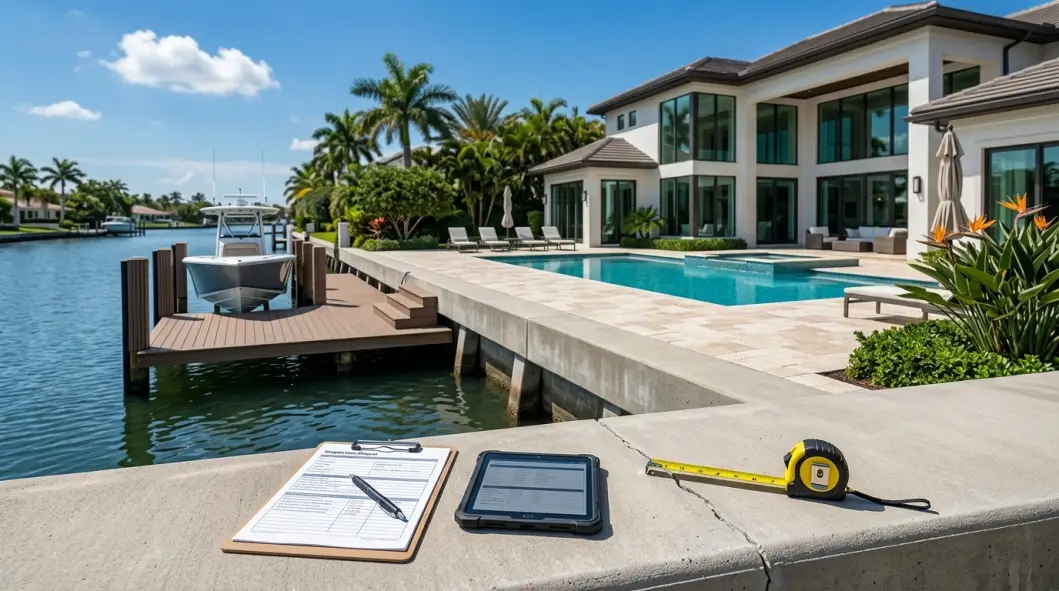
💬 Free Soil Stabilization Inspection & Quote