Seawall Failure Warning Signs: How to Spot Damage Early and Prevent Costly Repairs
Your Seawall Might Be Failing Right Now — Here’s How to Spot It and Fix It Before It’s Too Late
If you own waterfront property in Florida, there’s one problem that can quietly cost you tens of thousands of dollars—seawall failure. The tricky part? Most of the damage happens out of sight, long before you notice anything is wrong.
This guide answers the most common (and critical) questions homeowners ask—so you can catch the warning signs early and fix the problem before it turns into a full structural disaster.
🌊 Why Is the Soil Behind My Seawall Disappearing?
This is one of the earliest and most dangerous signs of trouble.
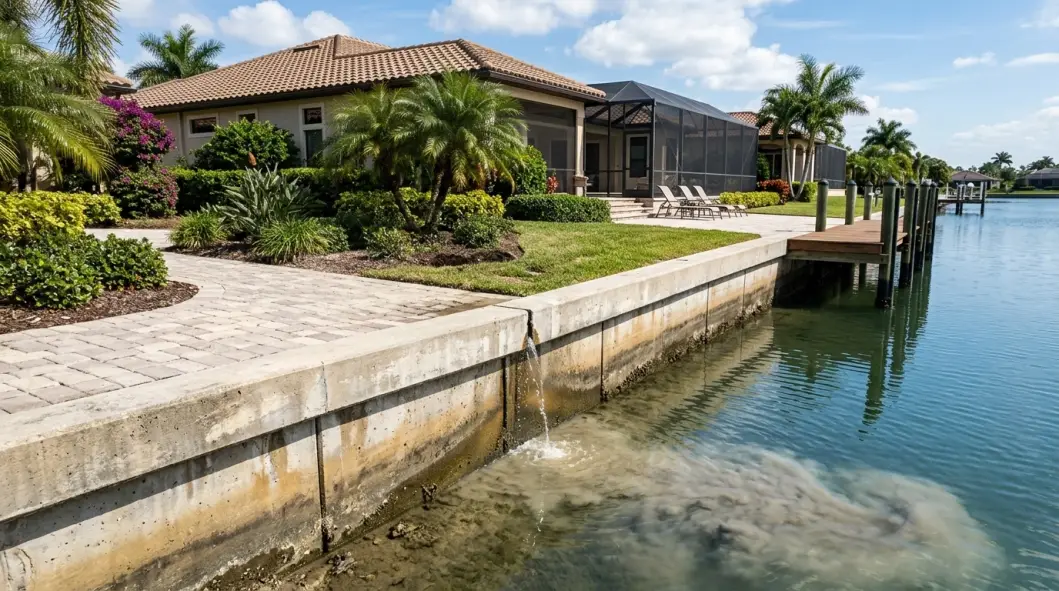
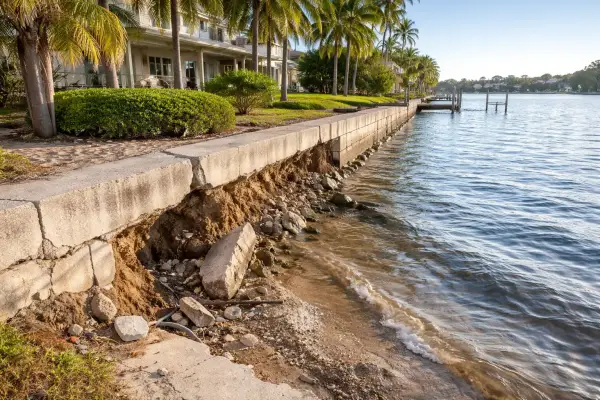
Water constantly moves through your seawall—especially through small cracks, joints, or weak points. As it flows, it slowly pulls soil with it. Over time, this creates empty spaces (voids) behind the wall.
At first, you won’t see anything. But eventually:
- The ground starts sinking
- Gaps form near the seawall
- Pavers or concrete begin to shift
Left untreated, this process can lead to collapse.
⚠️ Can a Seawall Fail Without Visible Damage?
Absolutely—and it happens more often than most homeowners realize.
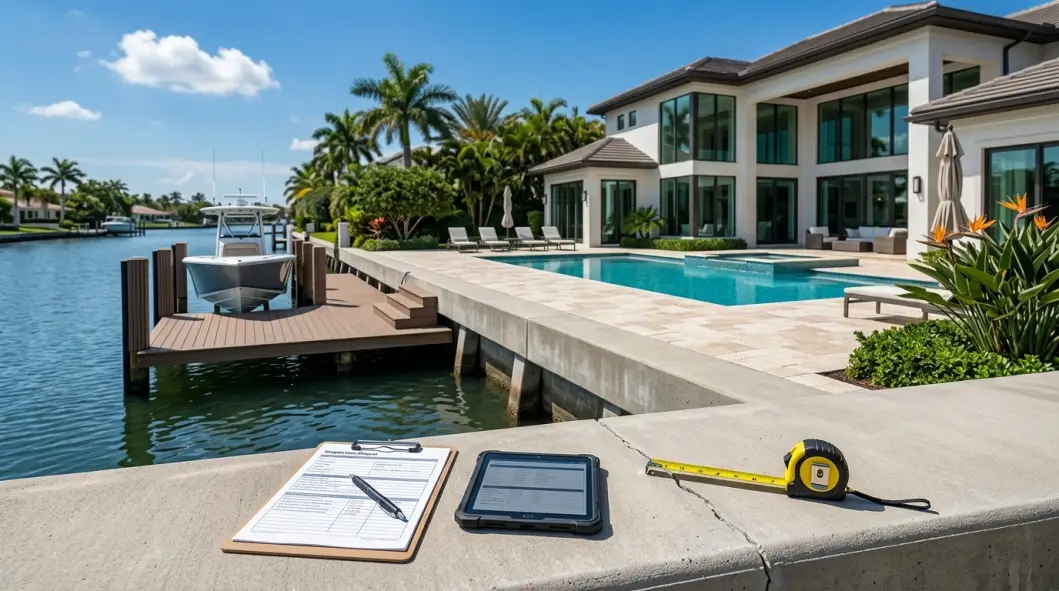
A seawall can look perfectly stable from the outside while the soil behind it is completely eroded. By the time cracks or leaning appear, the internal damage is already advanced.
That’s why early detection matters more than visible damage.
🚨 What Are the Warning Signs of a Serious Seawall Problem?
Watch for these red flags:
- Sinking soil or soft spots near the wall
- Cracks in the seawall cap or nearby concrete
- Water pooling in unusual areas
- Gaps forming between structures and soil
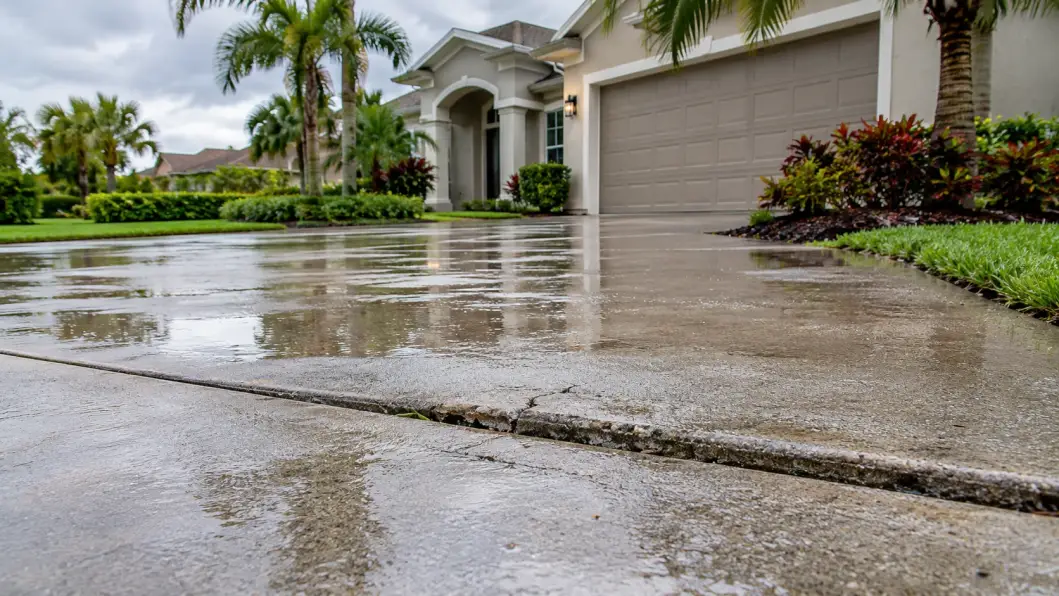
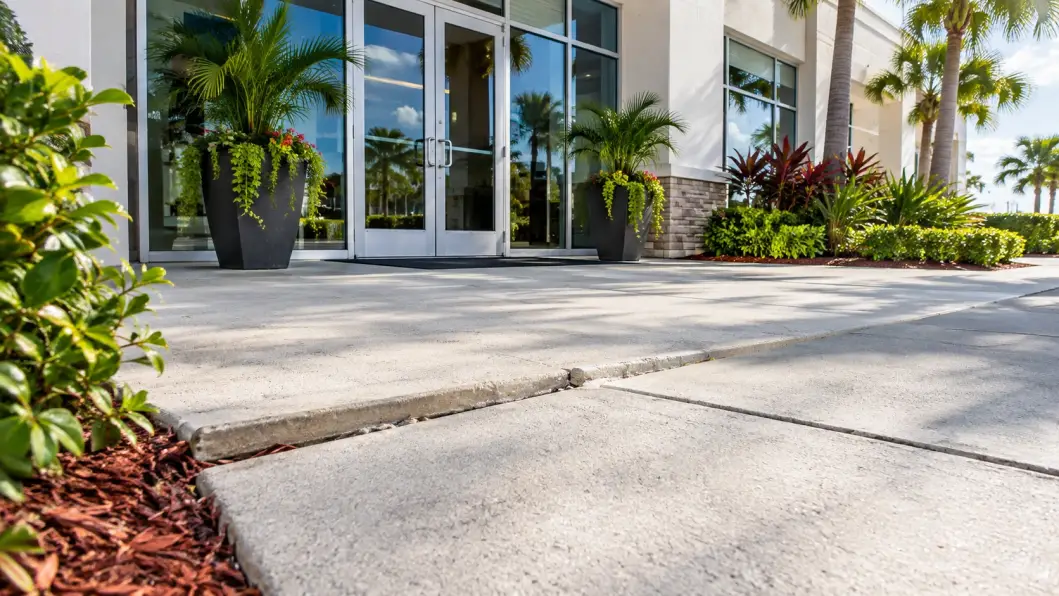
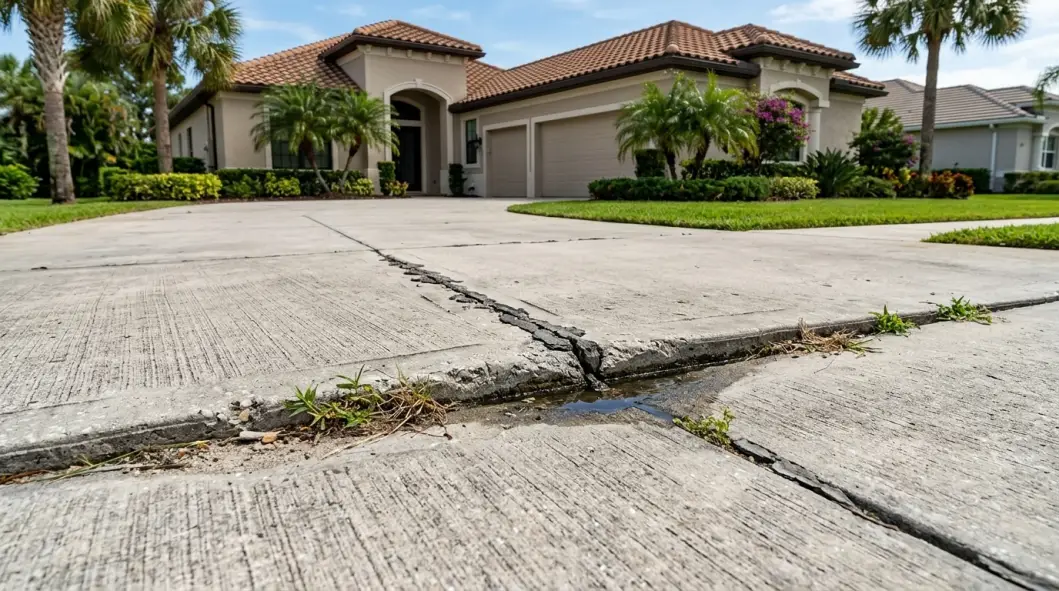
- Uneven patios, walkways, or driveways
If you’re seeing more than one of these, the issue is likely progressing.
🧱 Do Cracks Mean I Need to Replace My Seawall?
Not necessarily.
Cracks are often a symptom, not the root problem. In many cases, they’re caused by unstable soil behind the wall—not structural failure of the wall itself.
Fix the soil, and you often stop the damage from getting worse—without full replacement.
⚙️ What Is the Fastest Way to Fix Voids Behind a Seawall?
The most effective modern solution is polyurethane foam injection.
Instead of digging up your property, this method:
- Injects expanding material deep into the soil
- Fills empty voids completely
- Compacts and stabilizes loose ground
- Blocks further water movement
It’s fast, precise, and requires minimal disruption.
💪 Is Polyurethane Foam Strong Enough?
Yes—when engineered for structural use, it’s extremely durable.
It’s designed to:
- Support heavy loads
- Resist water and erosion
- Maintain stability over time
Unlike sand or gravel, it doesn’t wash away or settle unpredictably.
⏳ How Long Does Seawall Stabilization Last?
A properly executed stabilization can last for decades.
The key is not just filling the void—but stopping the cause:
- Preventing water from carrying soil away
- Strengthening the ground behind the wall
Temporary fixes fail because they don’t address both.
🕳️ Are These Sinkholes or Something Else?
In most waterfront properties, what looks like a sinkhole is actually soil washout.
Water escapes through the seawall, pulling soil with it and leaving empty space behind. Eventually, the surface collapses—creating a hole.
This is far more common than natural sinkholes and much easier to fix if caught early.
🏠 Can This Affect My Home or Other Structures?
Yes—and this is where costs can escalate quickly.
Soil loss doesn’t always stay near the seawall. It can spread inward, affecting:
- Driveways
- Patios
- Pool decks
- Foundations
Stabilizing early protects your entire property—not just the seawall.
🛠️ Is Seawall Repair Disruptive?
Traditional repair methods can be messy and invasive.
But modern solutions like foam injection are:
- Minimally invasive
- Fast to complete
- No heavy excavation required
- Clean and precise
Most projects can be completed with little interruption to your property.
💸 Why Not Just Use Sand or Gravel?
Because it’s a temporary fix.
Loose materials:
- Wash out again over time
- Don’t bond with surrounding soil
- Don’t stop water movement
That’s why many older repairs fail within a few years.
🧠 What Makes Modern Soil Stabilization Different?
It works with the soil instead of just filling space.
Advanced materials:
- Expand to fill every gap
- Harden in place
- Seal pathways where water flows
- Strengthen the surrounding ground
This creates a long-term solution—not a short-term patch.
⏱️ When Should I Fix My Seawall?
Immediately—once early signs appear.
Waiting leads to:
- Larger voids
- More structural damage
- Higher repair costs
Early action is always simpler and significantly more affordable.
✅ Final Thoughts: Small Signs Lead to Big Problems
Seawall issues rarely start with dramatic failure—they begin quietly, beneath the surface.
By the time you see visible damage, the problem is already advanced.
The good news?
If you catch it early, stabilization is faster, less expensive, and far more effective.
📞 Protect Your Waterfront Property Before It Gets Worse
At SlabFix, we specialize in advanced foam soil stabilization designed specifically for seawall repair. Our process targets the root cause—voids and soil loss—so you get a long-term solution, not a temporary fix.
👉 If you’re noticing any warning signs, now is the time to act.