Concrete Repairs That Fail Twice: Why Timing Matters More Than Materials
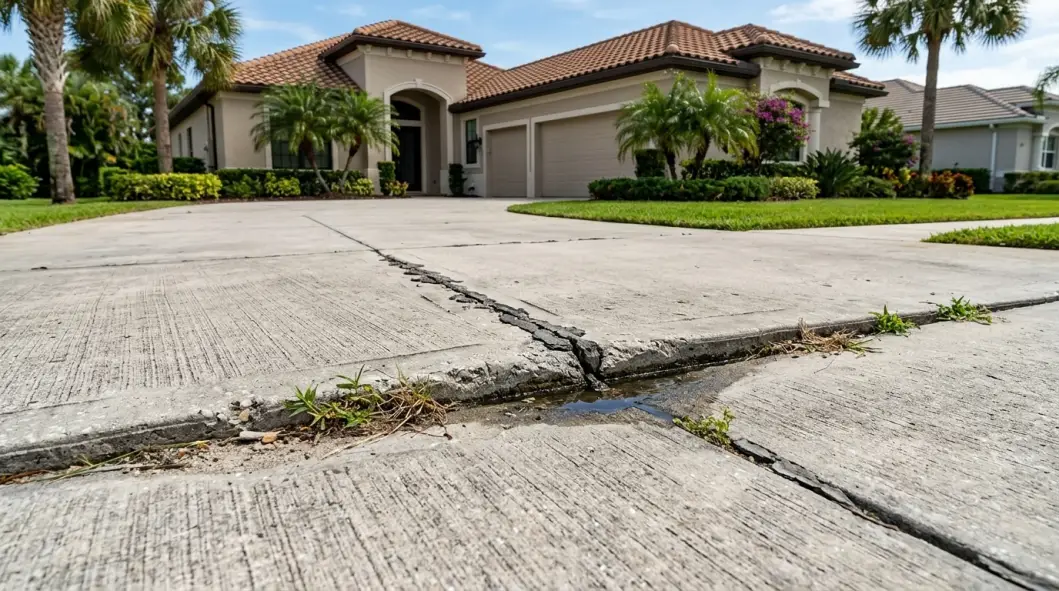
Many Florida property owners experience the same costly frustration: concrete repairs that appear successful at first, only to fail again months later. The surface looks solid, the materials seem strong, yet the problem returns.
In most cases, the issue isn’t the repair method or product—it’s concrete repair timing and when concrete lifting is performed.
Florida’s soil conditions, moisture cycles, and seasonal movement make timing one of the most critical and overlooked factors in long-lasting concrete repair. When repairs are done at the wrong moment, even the best materials cannot prevent failure.
Why Concrete Repairs Fail Even When High-Quality Materials Are Used
Modern concrete repair materials are engineered for strength and durability. However, no material can compensate for unstable soil conditions beneath a slab.
The Common Misconception About “Better Products”
Many property owners believe upgrading materials guarantees success. In reality, materials only perform as well as the conditions they’re installed under. If the soil is shifting, compressed, or oversaturated, the repair is locked into an unstable foundation.
Why Florida Repairs Fail Faster Than Other States
Florida’s high water table and sandy soil composition cause frequent subsurface movement. Repairs completed without considering concrete repair timing often fail faster here than in regions with stable clay or bedrock soils.
Understanding Florida Soil Movement Beneath Concrete Slabs
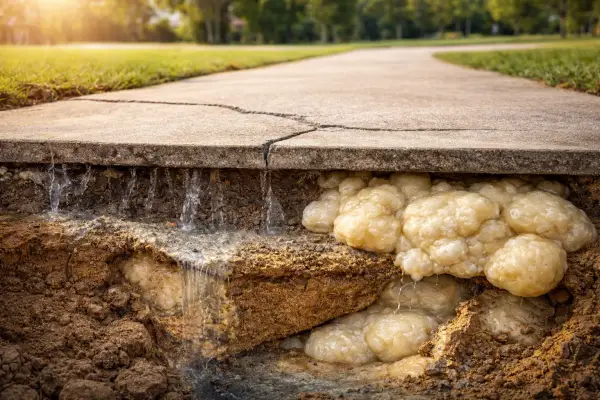
Concrete slabs rely entirely on the soil beneath them for support. In Florida, that support constantly changes due to erosion, moisture fluctuation, and subsurface soil instability.
How Sandy Soils Respond to Moisture Changes
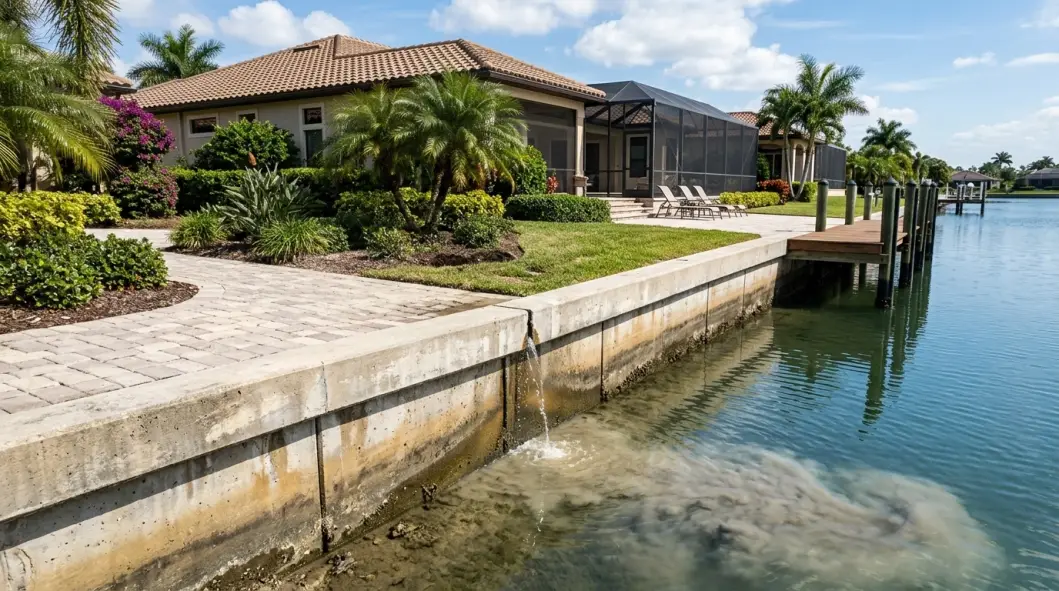
Sandy soils drain quickly but also wash out easily. Heavy rain can remove fine particles beneath slabs, while dry periods cause settlement and void formation.
What Happens Underground Before Concrete Damage Appears
Subsurface erosion and voids develop long before cracks or sinking become visible. By the time surface damage is noticed, instability has often been present for months.
Concrete Repair Timing and Seasonal Soil Behavior in Florida
One of the most important factors in repair success is aligning work with Florida’s seasonal soil cycles.
Wet Season Soil Expansion and Slab Instability
During the rainy season:
Soil becomes saturated and loses load-bearing strength
Groundwater rises beneath slabs
Temporary support gives a false sense of stability
Repairs done during this period may look successful but often fail once conditions change.
Dry Season Contraction and Hidden Void Formation
As soils dry:
Moisture evaporates
Soil contracts and settles
Existing voids expand beneath slabs
Ignoring these cycles is one of the leading causes of repeat failure related to poor concrete repair timing.
Proper planning and execution play a key role in preventing future concrete settlement caused by recurring soil movement.
Moisture Cycles and Their Direct Impact on Concrete Stability
Water movement beneath concrete is continuous and often invisible.
Why Groundwater Fluctuations Matter More Than Surface Cracks
Surface cracks are symptoms—not causes. Groundwater rise and fall creates pressure changes beneath slabs that surface repairs cannot address.
How Moisture Migration Undermines Repaired Concrete
Even sealed or patched slabs can shift when moisture continues to move below. Without stabilizing the subsurface during the correct timing window, repairs remain vulnerable.
The Double Failure Effect: When Repairs Are Done at the Wrong Time
The “double failure” effect occurs when a slab is repaired during unstable conditions and then moves again once the soil normalizes.
Temporary Soil Compression and False Leveling
Saturated soil can temporarily support a slab, making it appear level after repair. When the soil dries, the slab settles again.
Why Concrete Settles Months After Repair
This delayed movement is commonly mistaken for material failure, when the real issue is incorrect concrete repair timing.
Why Surface-Level Concrete Repairs Fail Without Proper Timing
Surface repairs depend entirely on subsurface stability.
Cosmetic Fixes vs Structural Stabilization
Grinding, patching, and overlays do not stop soil movement. Without addressing what’s happening beneath the slab at the right time, surface fixes simply follow future settlement.
Warning Signs of Mistimed Concrete Repairs
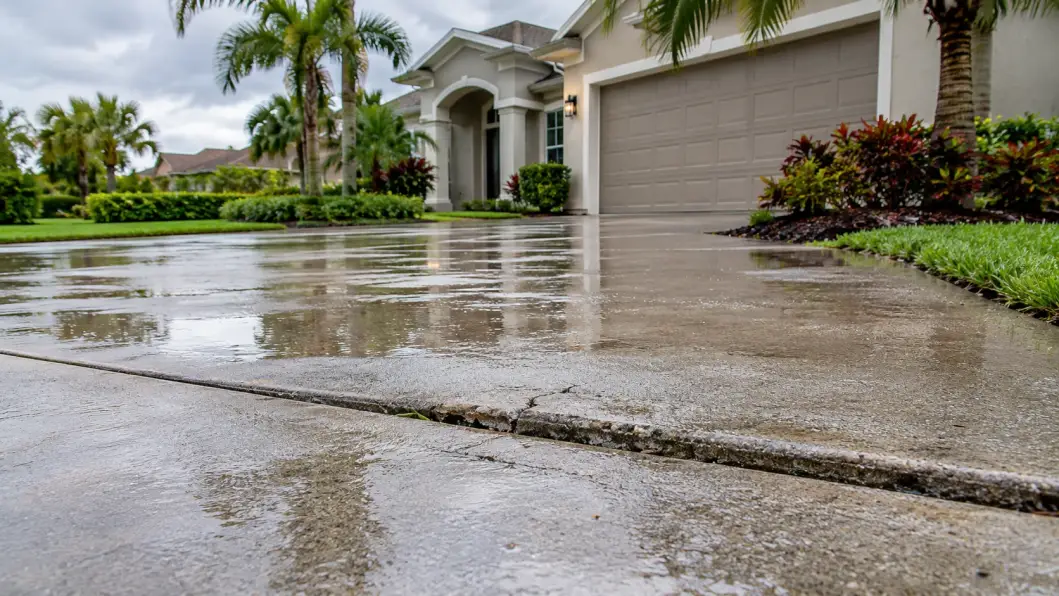
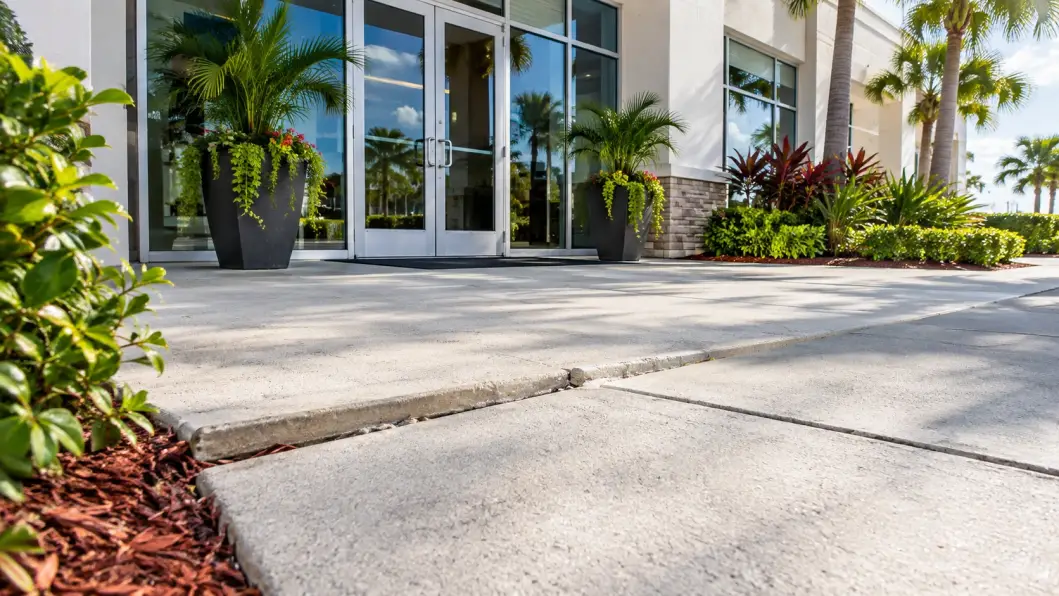
Uneven slabs returning within months
Cracks reappearing near repaired areas
Hollow sounds underfoot
Drainage changes around slabs
Precision Concrete Repair Requires Correct Timing and Subsurface Support
Long-lasting repairs combine proper timing with subsurface stabilization.
Why Void Filling Matters More Than Surface Strength
Filling voids when soil movement is minimal ensures restored load-bearing support remains intact.
How Controlled Stabilization Adapts to Soil Conditions
Precision injection techniques allow adjustments based on real-time soil behavior—something that only works when concrete repair timing is prioritized.
Signs Your Concrete Repair Was Performed at the Wrong Time
Homeowners often notice subtle indicators before major failure occurs.
Early Settlement Indicators Many Miss
Slight height differences between slabs
Minor cracking near joints
Spongy or hollow areas
When to Re-Evaluate a Recent Repair
If changes appear within the first year, timing—not materials—should be re-evaluated.
How SlabFix Uses Concrete Repair Timing to Deliver Long-Term Results
SlabFix approaches every project by first evaluating environmental conditions, not just surface damage.
As trusted Florida concrete repair experts, this approach ensures repairs are scheduled for maximum long-term stability.
Evaluating Soil Conditions Before Scheduling Repairs
Moisture levels, soil stability, and movement patterns are assessed before work begins.
Adjusting Repair Strategy Based on Real-Time Conditions
Repair methods and timing are aligned to lock in stability, reducing the risk of future settlement.
This timing-first approach allows SlabFix to deliver results that last.
The Long-Term Cost of Ignoring Concrete Repair Timing
Mistimed repairs lead to:
Repeat service calls
Expanding subsurface voids
Increased safety hazards
Higher long-term repair costs
Reduced property value
Proper concrete repair timing prevents compounding damage and unnecessary expense.
Many property owners only realize later why concrete repairs fail again when timing and subsurface conditions are overlooked.
Final Thoughts: Why Timing Is the Missing Piece in Concrete Repair
Concrete repair success in Florida depends on more than strong materials or advanced techniques. It depends on understanding soil behavior and choosing the right moment to act.
Ignoring concrete repair timing leads to repeat failures. Prioritizing it leads to stable, long-lasting concrete that stays level through seasonal changes.
When timing is right, repairs last. When it’s wrong, even the best materials won’t.
Frequently Asked Questions
Why do concrete repairs in Florida often fail after a few months?
Many repairs fail because they are done when soil conditions are unstable. When moisture levels are high or subsurface erosion is active, even strong materials cannot prevent future movement.
Is there a better time of year for concrete lifting in Florida?
In general, drier conditions are more favorable for concrete lifting because soil is more stable and less likely to shift soon after the repair. However, urgent repairs can still be done year-round when needed.
Why does my newly repaired concrete start settling again after a short time?
This often happens when the repair is completed during a period of high moisture or active soil movement. As conditions normalize, the slab settles again, which is usually a timing issue rather than a material issue.
Can surface-level repairs prevent future concrete movement?
Not usually. Surface fixes like patching or grinding do not stop subsurface soil movement. Long-lasting repair requires stabilizing the ground beneath the slab at the right time.
How does SlabFix ensure that repairs last longer?
SlabFix evaluates soil conditions, moisture levels, and movement patterns before scheduling work, then aligns the repair strategy with current environmental conditions to improve long-term stability.
📞 Call SlabFix Today: 407-379-2585
📍 Serving all of Central and Coastal Florida
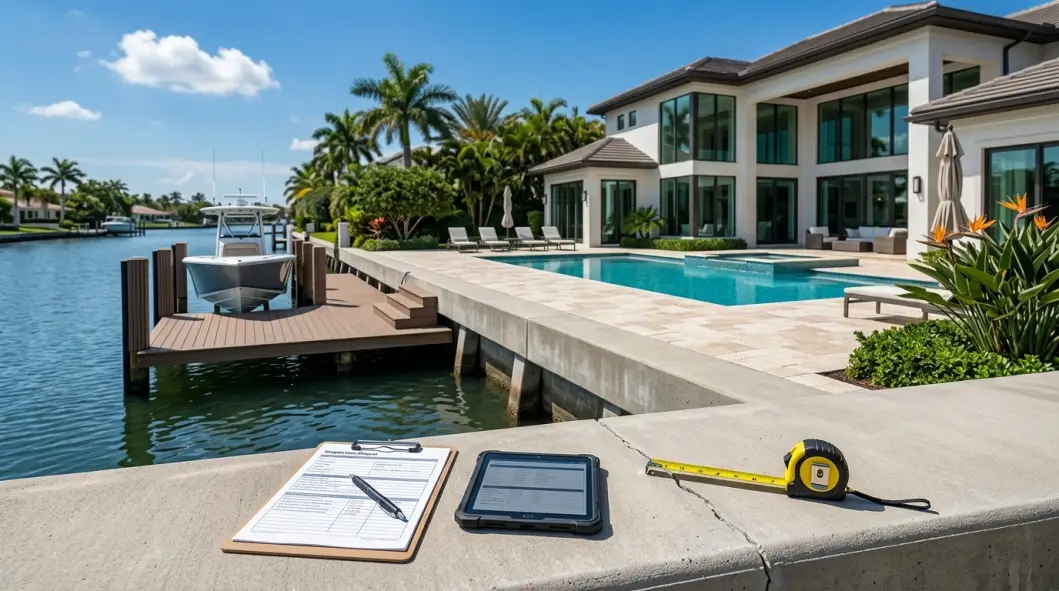
💬 Free Inspection & Quote