Sinking Concrete in Orlando: How Sprinkler Line Leaks Cause Hidden Soil Loss
Sinking Concrete in Orlando: How Sprinkler Leaks Cause Hidden Soil Loss
Many homeowners dealing with sinking concrete in Orlando blame heavy rain, poor grading, or “bad concrete” when a driveway, sidewalk, patio, or pool deck begins to drop. In reality, one of the most common causes of sinking concrete in Orlando is a slow irrigation or sprinkler line leak that quietly washes out the soil beneath the slab.
If your goal is to permanently repair sinking concrete in Orlando, you must determine whether hidden irrigation water is causing subsurface soil loss—not just seal cracks or improve surface drainage.
This guide explains why sprinkler leaks are a leading cause of sinking concrete in Orlando, how to spot early warning signs, and which repair solutions restore long-term structural support.
Many homeowners dealing with sinking concrete in Orlando blame heavy rain, poor grading, or “bad concrete” when a driveway, sidewalk, patio, or pool deck begins to drop. In reality, one of the most common causes of sinking concrete in Orlando is a slow irrigation or sprinkler line leak that quietly washes out the soil beneath the slab.
If your goal is to permanently repair sinking concrete in Orlando, you must determine whether hidden irrigation water is causing subsurface soil loss—not just seal cracks or improve surface drainage.
This guide explains why sprinkler leaks are a leading cause of sinking concrete in Orlando, how to spot early warning signs, and which repair solutions restore long-term structural support.
Why Sinking Concrete in Orlando Is So Common
In Orlando, soil and climate conditions make properties especially vulnerable to settlement.
Several local factors increase the risk of sinking concrete in Orlando:
Sandy, highly permeable soils
Frequent irrigation system use
Intense seasonal rainstorms
Mixed fill over native sand
Seasonal groundwater fluctuations
Across Florida, sandy soils drain quickly—but they also lose density when repeatedly saturated. This makes sinking concrete in Orlando a common issue around driveways, sidewalks, pool decks, patios, and garage aprons.
The Hidden Irrigation Problem Behind Sinking Concrete in Orlando
Most sprinkler leaks are not dramatic. There are no visible floods or broken pipes spraying water. Instead, they are low-flow, long-duration leaks such as:
Pinhole cracks in PVC pipe
Loose couplings
Cracked elbows
Damaged fittings
Leaking valve manifolds
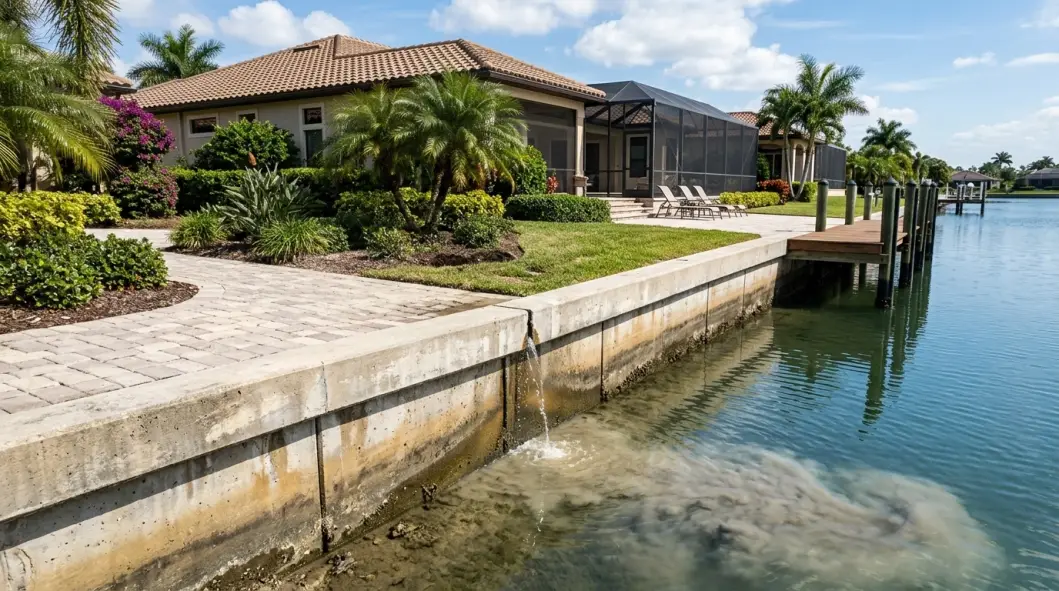
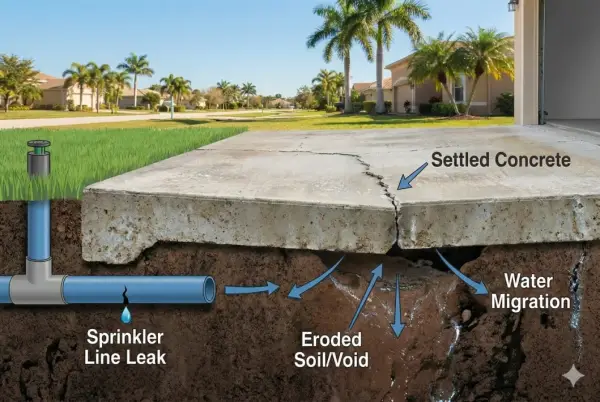
Because irrigation lines run below grade, water slowly saturates and erodes the soil beneath the slab. Over time, this creates voids and weak zones that lead to sinking concrete in Orlando homes.
If settlement appears near lawn edges or landscaped beds, irrigation is often the cause.
The Engineering Mechanisms Behind Sinking Concrete in Orlando
When irrigation water reaches the base beneath a slab, several settlement mechanisms can occur:
1. Reduced Bearing Capacity
Saturated soils lose shear strength. The slab’s weight is then supported by weaker material, leading to sinking concrete in Orlando properties.
2. Subgrade Erosion (Piping)
Water movement can carry away fine sand and silt, creating voids beneath the slab. This internal erosion is a major contributor to sinking concrete in Orlando.
3. Differential Moisture Zones
If one section remains wetter than another, uneven support develops. This causes differential settlement—one panel drops while another stays level.
4. Preferential Flow Paths
Water repeatedly follows trench lines, slab edges, or backfilled areas, progressively weakening the same zone over time.
Warning Signs of Sinking Concrete in Orlando
Settlement caused by irrigation usually follows sprinkler layouts—not topography.
Common signs of sinking concrete in Orlando include:
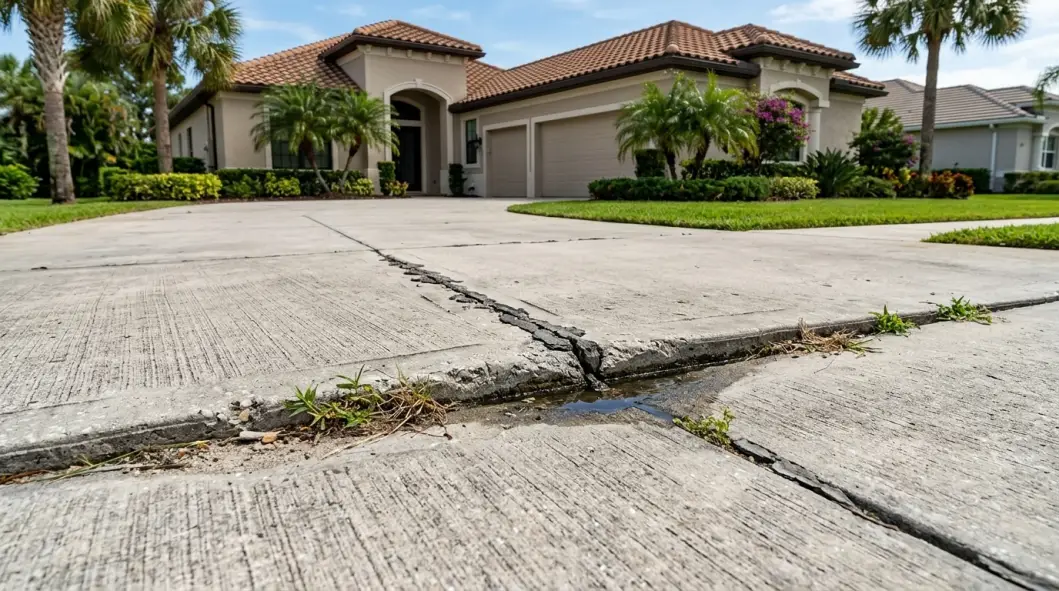
Driveway edges dropping along lawn sides
Sidewalk panels creating trip hazards
Pool decks sinking near planting beds
Patio slabs tilting toward landscape areas
Cracks running parallel to sprinkler lines
Persistent damp soil near slab edges
Water pooling after irrigation cycles
If you notice these signs, early intervention can prevent major structural damage.
How to Diagnose Sinking Concrete in Orlando
Before scheduling a full repair, homeowners can check for irrigation-related causes:
Run Irrigation Zones Individually
Operate each zone for 3–5 minutes and watch for:
Pressure drops
Bubbling soil
Pooling near slab edges
Inspect Valve Boxes
Standing water during dry weather often indicates a leak contributing to sinking concrete in Orlando.
Observe Slab Tilt
Concrete typically tilts toward the source of soil loss.
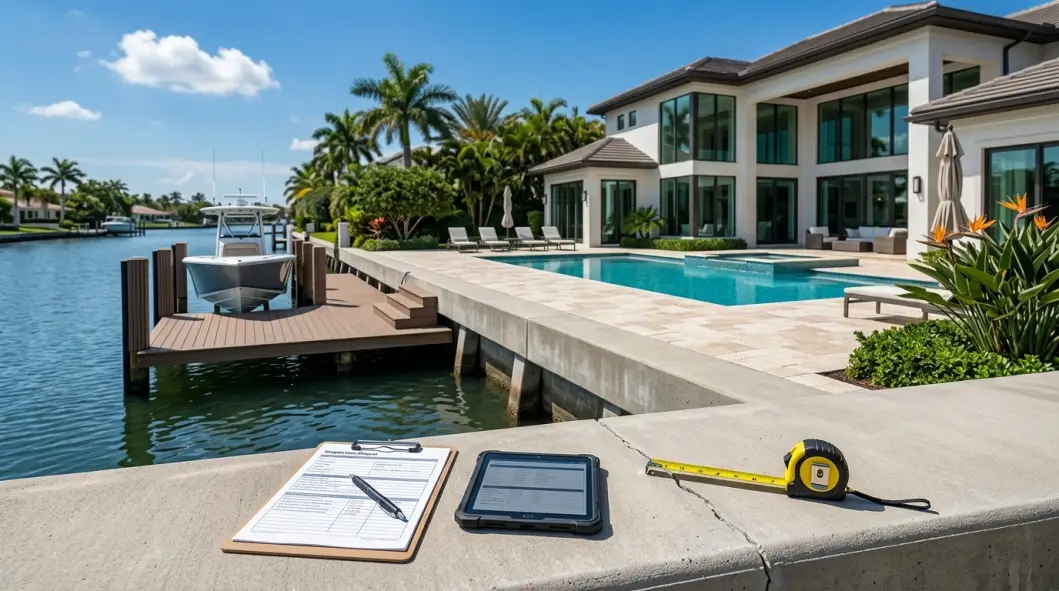
Professional contractors may also use pressure testing, moisture monitoring, or ground-penetrating radar for accurate diagnosis.
Why Surface Repairs Don’t Fix Sinking Concrete in Orlando
Grinding uneven joints, patching cracks, or resurfacing low areas improves appearance—but it does not restore support beneath the slab.
If voids remain, sinking concrete in Orlando will continue. Cracks will return. Panels may drop further.
Permanent repair requires stabilizing the soil beneath the slab.
Best Repair Method for Sinking Concrete in Orlando
Polyurethane foam injection (also called foam jacking or polyjacking) is one of the most effective solutions for sinking concrete in Orlando.
How It Works
Small 5/8-inch holes are drilled into the slab
Expanding polyurethane foam is injected beneath
Voids are filled
Loose soils are densified
The slab is lifted and leveled
This restores bearing support and helps prevent future sinking concrete in Orlando.
Why It Works Well in Orlando Soil
Lightweight material (won’t overload sandy soils)
Moisture-resistant and hydrophobic
Minimal disruption
Same-day return to service
Precise lift control
Because Orlando’s soils are sensitive to added weight, polyurethane foam is often preferred over traditional mudjacking.
Proper Repair Sequence for Sinking Concrete in Orlando
Step 1: Stop the Irrigation Leak
Repair and pressure-test the affected zone.
Step 2: Evaluate Settlement Pattern
Identify void locations and measure displacement.
Step 3: Stabilize and Lift
Inject polyurethane foam to restore support.
Step 4: Seal Water Pathways
Maintain joint sealants and manage drainage.
Step 5: Adjust Irrigation System
Reduce overspray
Fix misaligned heads
Avoid routing lines under slabs
Conduct regular irrigation inspections
Preventing recurrence is critical to stopping future sinking concrete in Orlando.
Common Orlando Scenarios
Homeowners frequently report sinking concrete in Orlando in these areas:
Driveways settling along lawn edges
Sidewalk panels dropping near valve boxes
Pool decks sinking near landscape beds
Garage aprons settling after irrigation upgrades
Patio slabs tilting after landscaping changes
In most cases, the visible damage appears months after soil erosion begins.
Act Early to Prevent Major Repairs
Sinking concrete in Orlando rarely happens overnight. It develops gradually as soil support weakens.
If you address the issue early:
Repairs are less expensive
Structural damage is minimized
Full slab replacement can often be avoided
Waiting allows voids to expand and displacement to worsen.
Professional Help for Sinking Concrete in Orlando
If your driveway, sidewalk, patio, or pool deck is showing signs of sinking concrete in Orlando, a professional evaluation can determine whether irrigation leaks or soil erosion are the cause.
SlabFix provides expert inspection and long-term stabilization solutions for sinking concrete in Orlando and surrounding Central Florida communities.
Frequently Asked Questions
Can a small sprinkler leak really cause concrete to sink?
Yes, it can. A slow leak may not look serious at the surface, but over time it can keep saturating the soil, wash out fine particles, and create hidden voids beneath the slab.
How can I tell if my sinking concrete is caused by a sprinkler leak and not just rain?
One of the biggest clues is location. If the settlement appears along lawn edges, near valve boxes, beside landscaped beds, or follows the irrigation layout more than the natural slope of the yard, a sprinkler leak may be the real cause.
Will fixing the sprinkler leak stop the concrete from sinking any further?
Fixing the leak is the first step, but it usually does not restore the soil support that has already been lost. If voids have formed beneath the slab, the concrete may still need lifting and stabilization after the irrigation repair.
Why do driveway edges and sidewalk panels sink first near landscaped areas?
Those areas often sit closest to irrigation lines, wet-dry soil cycles, and shallow washout zones. Over time, the soil near slab edges can lose density faster than the soil deeper under the slab, which leads to uneven support and settlement.
What is the best long-term repair for sinking concrete caused by irrigation leaks?
In many cases, the best long-term solution is to stop the leak first, then restore support below the slab with polyurethane injection. This helps fill voids, stabilize weak zones, and lift settled concrete without full replacement.
📞 Call SlabFix Today: 407-379-2585
📍 Serving Orlando and Central Florida
💬 Free Inspection & Quote