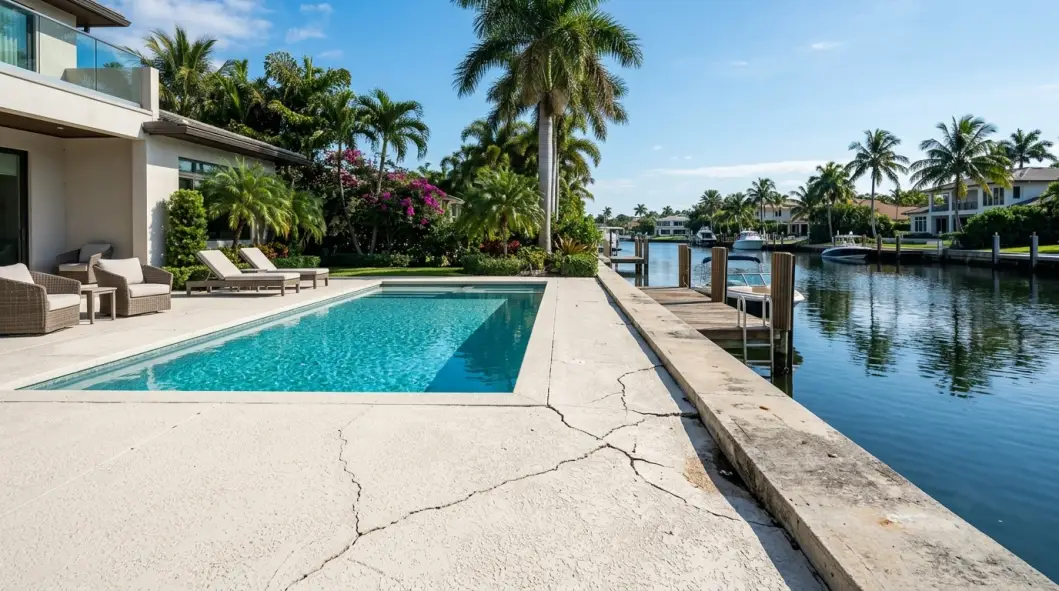
Does Home Insurance Cover Seawall Damage in Florida?
Most Florida home insurance policies do not automatically cover seawall damage, and when they do, the coverage is usually narrow and tied to specific causes of loss, not general “wear and tear” or erosion. In many cases, flood insurance also excludes seawalls, which means a lot of seawall repair ends up being an out‑of‑pocket expense unless you have very specific seawall insurance coverage in place.
Below is a clear breakdown you can adapt into a full article around “Does Home Insurance Cover Seawall Damage in Florida?”
Why Seawall Coverage Is So Confusing in Florida
Florida coastal homeowners juggle several different policies: a homeowners (HO‑3) policy, hurricane or wind coverage, and separate flood insurance, often through the NFIP or a private carrier. Each of these policies handles water, erosion, and structures on your lot differently, which is why seawall insurance coverage is rarely straightforward.
On paper, a standard HO‑3 policy protects the dwelling, “other structures,” personal property, and loss of use, with special deductibles and rules for wind and hurricane losses in coastal zones. But seawalls sit in a gray area: they are outside, constantly exposed to water and erosion, and often treated differently from normal detached structures like sheds or fences.
Does Homeowners Insurance Cover Seawalls at All?
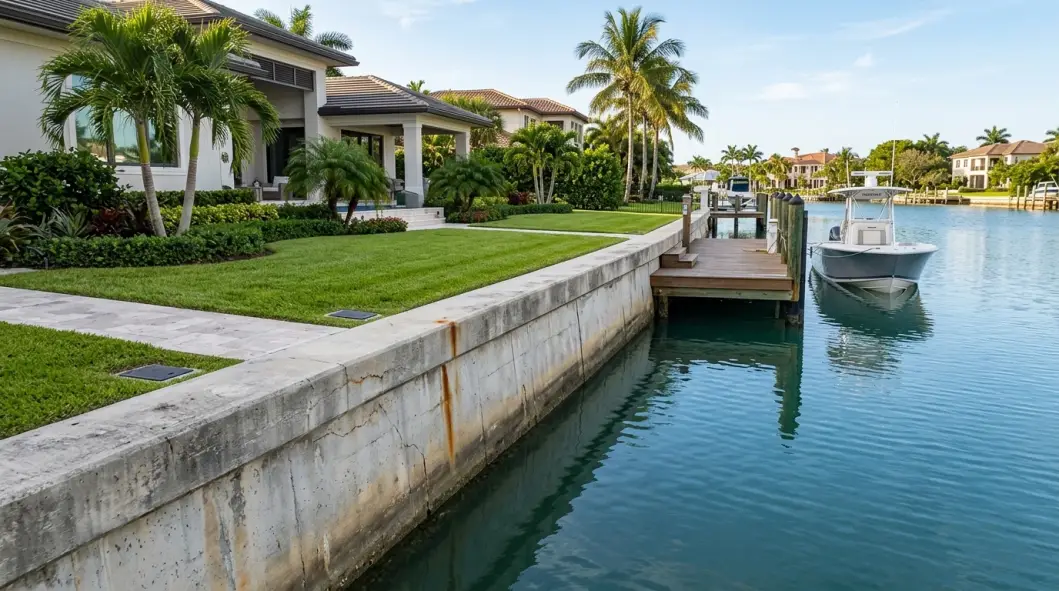
Most insurers treat privately owned seawalls and retaining walls as “other structures” on the property. In that setup, the policy may extend some seawall insurance coverage for certain named perils such as:
Fire or explosion
Lightning
Vehicles or vandalism
Some wind or hail events, depending on the carrier
However, the same sources note that homeowners policies almost always exclude damage caused by flood, earth movement, ground settling, lack of maintenance, or long‑term erosion. In other words, if a car hits your seawall you may have a valid claim, but if years of waves gradually wash out the soil and crack the structure, your home policy will likely deny it.
Coverage limits are another issue. Many policies cap “other structures” at 2–10% of the dwelling limit, which may not be enough to handle serious seawall repair or replacement.
What About Flood Insurance and Seawalls?
Many Florida homeowners assume flood insurance will step in for seawall repair. In reality, standard NFIP flood policies specifically list docks, bulkheads, piers, and seawalls as items they do not cover. That means flood insurance is designed to protect the building itself and certain on‑site structures—but not the seawall that sits along the waterline.
So if storm surge, rising water, or overland flooding damages your seawall, NFIP flood coverage will usually not pay to fix it. Private flood carriers may have their own terms, but most follow similar exclusions, so you cannot count on flood insurance as your primary seawall repair insurance.
Common Seawall Damage Scenarios — Covered or Not?
Florida waterfront owners often face the same handful of seawall loss scenarios. How a policy responds depends on the exact cause of loss and the contract wording:
Gradual erosion and wear and tear
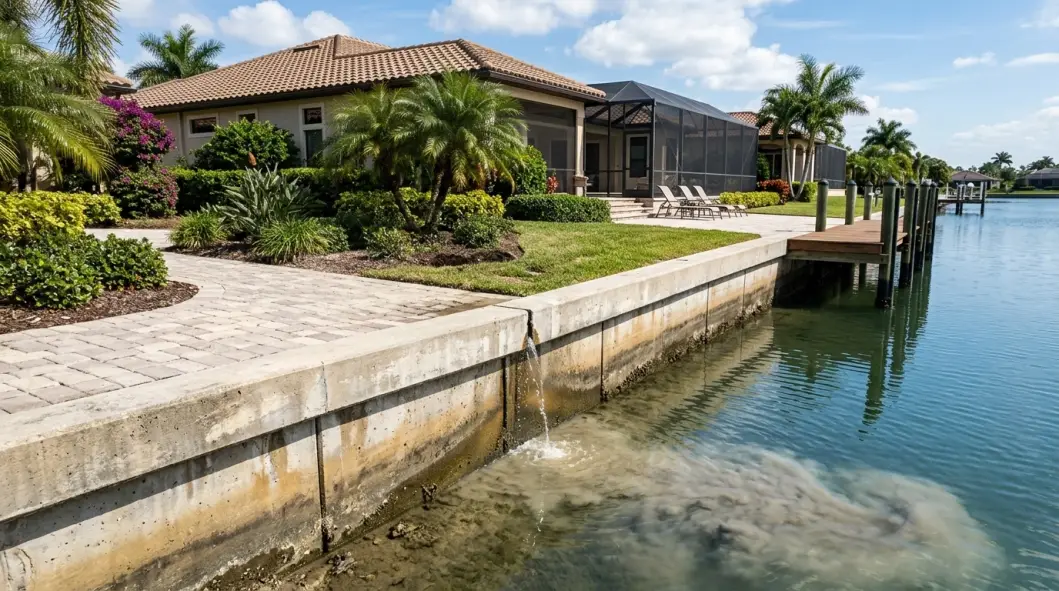
Long‑term soil loss, corrosion, and cracking from waves, tides, and boat wakes fall under “maintenance” or “earth movement” exclusions in most policies.
These issues almost never qualify for seawall repair insurance under standard homeowners or flood coverage.
Storm surge and coastal flooding
Storm surge and rising water are treated as flood events, which NFIP excludes for seawalls and similar structures.
Unless you have a rare, customized endorsement, you will probably pay out of pocket.
Hurricane wind plus debris impact
Wind damage to structures can be covered under homeowners or windstorm coverage, but a seawall sits at the waterline where damage is often a mix of wave action and flood.
Insurers may argue that the dominant cause was flood or erosion, not wind—another reason to read your policy carefully.
Vehicle or boat impact
Many HO‑3 forms consider damage from vehicles, and sometimes boats, to be a covered peril for “other structures,” which can include seawalls.
In those cases, seawall insurance coverage is stronger, though still subject to deductibles and limits.
Sudden collapse vs. slow movement
A sudden collapse after a clear incident may trigger more favorable treatment than slow leaning or settlement that has been developing for years.
Florida‑Specific Factors That Affect Seawall Insurance Coverage
Florida’s coastal insurance market has its own rules and pressures. Citizens Property Insurance Corporation operates as the state’s insurer of last resort, and recent legislation has pushed more homeowners to secure separate flood insurance as a condition of coverage—but that flood policy still does not guarantee coverage for seawalls.
Coastal carriers pay close attention to:
Proximity to open water or canals
Flood and surge risk
Type and condition of the seawall
Prior claims and maintenance history
Because of the high risk and the NFIP exclusions, most carriers treat seawalls as high‑exposure assets that require tight limits, strict exclusions, or special underwriting rather than broad seawall repair insurance built into a base policy.
What “Seawall Insurance Coverage” Might Actually Look Like
When agents talk about “seawall insurance coverage,” they usually mean one or more of the following, not a single dedicated policy:
Higher “other structures” limits under the homeowners policy, explicitly including the seawall for specific covered perils.
Custom endorsements or riders that add limited coverage for seawall damage from certain non‑flood causes. Availability varies a lot between insurers.
Specialty marine or property policies for high‑value waterfront estates, sometimes negotiated through surplus‑lines or private markets.
Even then, almost all of these options keep the standard exclusions for gradual erosion, lack of maintenance, and flood‑driven loss, so they are not a free pass for every type of seawall damage.
How to Check Your Policy for Seawall Repair Insurance
If you want to know exactly where you stand today, do not rely on assumptions or call‑center one‑liners. Take these steps and document the answers:
Find the “other structures” section of your homeowners policy. Check whether it mentions retaining walls, bulkheads, or seawalls and what the coverage limit is.
Look for exclusions tied to earth movement, erosion, settling, wear and tear, and water damage. These clauses often explain why seawall claims get denied.
Review your flood policy (NFIP or private). Confirm that docks, piers, bulkheads, and seawalls appear in the list of excluded items, so you know not to depend on it.
Then, ask your agent very specific questions such as:
Is my seawall considered an “other structure” on the policy?
Which causes of loss would actually trigger seawall repair insurance under this contract?
Are flood, erosion, or soil movement excluded for my seawall?
Can I raise my “other structures” limit or add an endorsement that clearly includes the seawall?
Get any promises in writing. If the answer is vague, assume you need clearer documentation before you count on the policy.
Why Maintenance Still Matters When Insurance Won’t Pay
Because insurance seldom covers seawall damage from erosion, wave action, or long‑term soil loss, proactive maintenance is not just smart—it is often your only realistic protection. Industry guidance on docks and seawalls repeatedly stresses the same point: flood policies exclude these structures, and homeowners coverage usually steps in only for a short list of sudden, non‑flood perils.
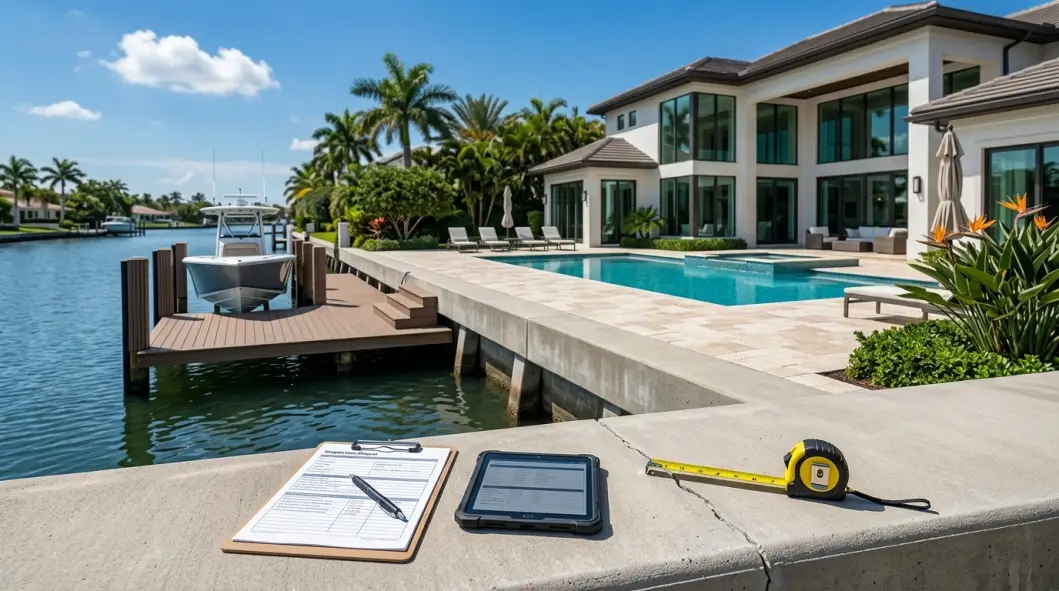
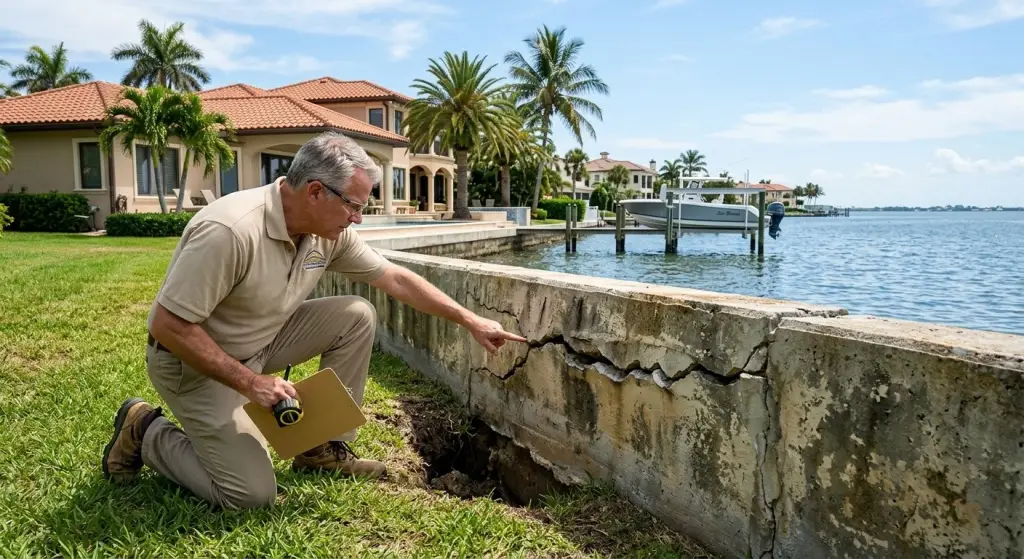
That makes regular inspections, soil stabilization, and timely repair crucial. Catching early signs like cracks, soil gaps, or leaning panels gives you a chance to stabilize the wall and surrounding soil before the damage escalates into a full replacement job that you must fund yourself. Slowing down long‑term deterioration is, in practice, more reliable than hoping for broad seawall repair insurance that most standard policies do not offer.
Frequently Asked Questions About Seawall Insurance Coverage in Florida
Does homeowners insurance cover seawall damage in Florida?
Often, no. Most Florida homeowners policies only cover a seawall for limited “named perils” like vehicles or vandalism, and exclude damage from flood, erosion, or long‑term wear and tear. Always check the “other structures” section of your policy and its exclusions.
Does flood insurance cover seawall repair?
Standard NFIP flood policies do not cover docks, bulkheads, piers, or seawalls, even when floodwater clearly caused the damage. Private flood insurers usually follow similar rules, so you can’t rely on flood insurance as full seawall repair insurance.
Is my seawall considered an “other structure” on my home policy?
Many insurers classify seawalls and retaining walls as “other structures,” but treatment varies by company and policy form. You need to confirm in writing whether your “other structures” limit includes the seawall and for which causes of loss.
What seawall damage is usually not covered by insurance?
Insurers almost always exclude seawall damage from gradual erosion, soil movement, ground settling, lack of maintenance, and flood or storm surge. Those common causes are why so much seawall repair ends up being out‑of‑pocket.
Can I buy extra seawall insurance coverage?
Sometimes. A few carriers offer higher “other structures” limits or special endorsements that extend limited seawall insurance coverage for certain non‑flood events. You’ll need to discuss this with a local agent who understands Florida waterfront risks.
What should I do before I assume my seawall repair is covered?
Read your homeowners and flood policies, highlight the “other structures” and exclusion sections, and then ask your agent specific questions about seawall repair insurance. Getting clear answers in writing is the only way to know what will actually be paid in a claim.
How can I protect my seawall if insurance won’t pay?
Schedule regular inspections, fix small cracks early, and address soil loss and voids before they turn into structural failures. Preventive maintenance is usually far cheaper than a full replacement that your policy may not cover.
📞 Call: 407-379-2585
📍 Serving all Florida regions