Fix Sinking Concrete: Why Drainage Improvements Sometimes Make It Worse
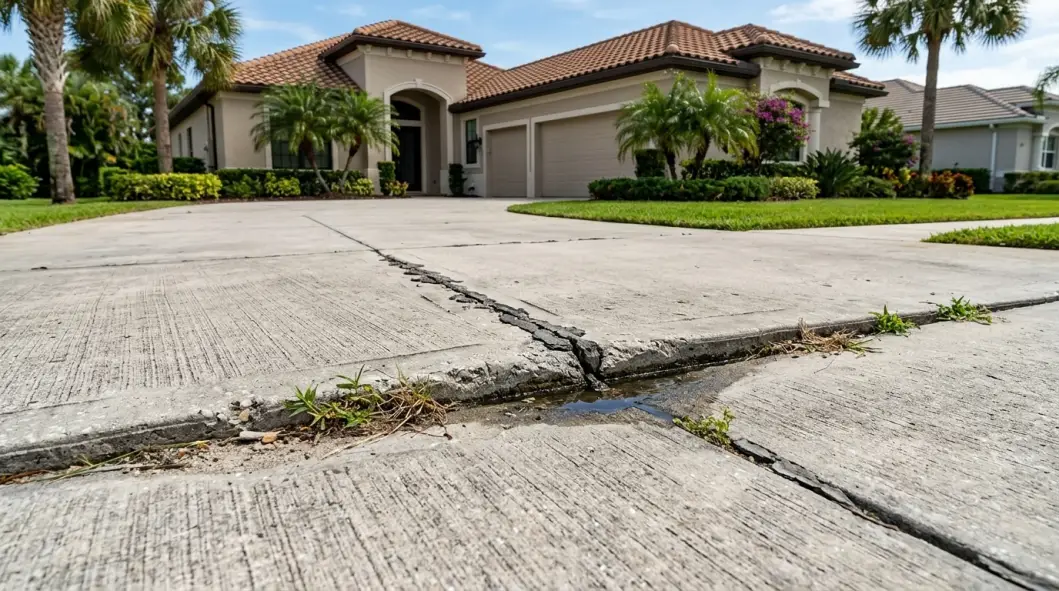
Many homeowners and property managers invest in drainage upgrades to fix sinking concrete—installing French drains, extending downspouts, re-grading yards, or adding surface channels to move water away from slabs and structures. While better drainage is usually a smart decision, it can sometimes create new subsurface problems that actually make concrete settlement worse.
Understanding how drainage changes interact with the ground below your slab is critical if your goal is to truly fix sinking concrete—not just improve surface water flow.
This article explains why some drainage improvements backfire, what warning signs to watch for, and how property owners in Central and Coastal Florida can avoid repeating the same costly mistakes.
Why homeowners try drainage upgrades to fix sinking concrete
When a driveway, sidewalk, patio, pool deck, or slab begins to drop, most people naturally assume water is the main enemy. And in many cases, they are right.
Typical actions taken to fix sinking concrete include:
Adding new surface drains
Installing French drains
Redirecting downspouts
Re-grading soil away from slabs
Installing trench or channel drains
These solutions are meant to reduce standing water and keep moisture away from the concrete. However, the soil beneath the slab reacts very differently to redirected water than the surface does.
The hidden problem: drainage changes alter subsurface water movement
Drainage systems do not only change where water goes on the surface. They also change:
how fast water moves underground
where groundwater concentrates
how long soil remains saturated
how fine particles are carried away
In Florida’s sandy and mixed soils, this matters even more.
When homeowners attempt to fix sinking concrete without understanding subsurface behavior, the drainage improvement can unintentionally:
accelerate soil migration
concentrate water flow beneath specific areas
create soft zones next to otherwise stable ground
The result is often uneven settlement, even though surface drainage looks better than before.
How drainage improvements can make concrete settlement worse
1. Concentrated water flow beneath slabs
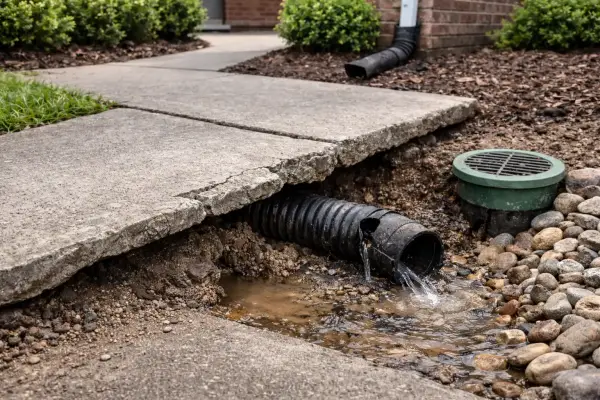
New drains are designed to move water efficiently. But when water is funneled into narrow trenches or discharge zones, it can travel below nearby slabs instead of safely away from them.
Over time, this concentrated subsurface flow:
weakens soil structure
loosens supporting material
creates low-density zones under the slab
Many property owners are surprised when their attempt to fix sinking concrete actually leads to faster movement in only one section of the slab.
2. Trench backfill that behaves differently than native soil
Installing drainage almost always involves trenching.
Even when contractors compact the backfill properly, trench soil rarely behaves the same way as undisturbed ground. It is more prone to:
moisture cycling
densification loss
delayed settlement
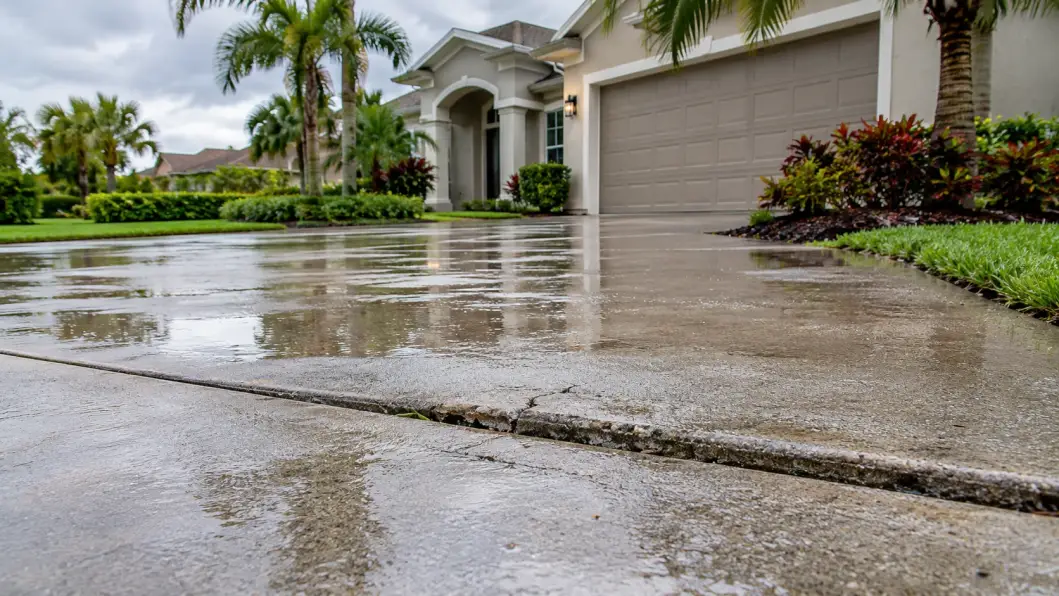
If a trench runs alongside or underneath a slab, the slab may begin to move toward that softer zone. This is one of the most common reasons people search for fix sinking concrete after a drainage project.
3. Lowering the water table too quickly
In some conditions, drainage systems lower the local water table around a slab. This sudden change can cause:
soil consolidation
volume loss in fine materials
differential settlement
The slab itself is not damaged by the water movement—the supporting soil changes shape and density.
This is a critical concept when trying to fix sinking concrete permanently rather than repeatedly patching symptoms.
4. Creating preferential flow paths
Water always chooses the easiest path.
Drainage systems can unintentionally create:
channels in loose soils
pathways along utility corridors
flow lines beneath concrete edges
Once these paths form, water repeatedly follows the same route, gradually weakening the same supporting zones. Over time, this leads to recurring settlement in specific areas—even after multiple surface repairs.
Common situations where drainage upgrades trigger new slab problems
Homeowners and property managers often report sinking shortly after:
installing French drains around patios or pool decks
adding channel drains in front of garages
redirecting roof downspouts near sidewalks
re-grading soil near seawall-adjacent slabs
improving yard drainage near foundations
In many of these cases, the goal was to fix sinking concrete, but the drainage work unintentionally created new stress on the subsurface.
Why this issue is especially important in Florida
In Central and Coastal Florida, soil conditions make drainage-related settlement more likely:
sandy soils allow rapid water movement
fine particles are easily carried by subsurface flow
seasonal groundwater changes amplify movement
heavy rain cycles repeatedly load and unload the soil
For this reason, attempts to fix sinking concrete by drainage alone often fall short unless subsurface conditions are properly evaluated.
Signs your drainage project may be affecting your concrete
If you recently upgraded drainage and now notice:
new slab movement near drain lines
cracking close to trenches or discharge points
edges of slabs settling faster than center sections
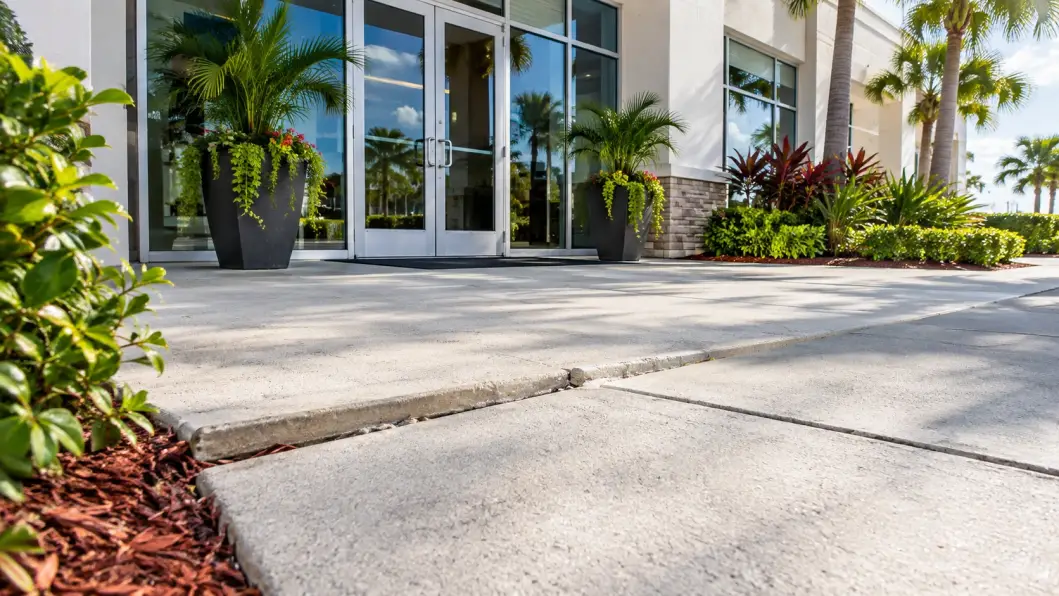
separation between slabs and adjacent structures
These are strong indicators that the drainage system may be influencing subsurface support.
In these situations, continuing to chase surface fixes will not truly fix sinking concrete.
Why surface repairs alone rarely solve the problem
Many homeowners attempt:
replacing small slab sections
grinding or smoothing uneven areas
While these methods improve appearance, they do not restore support beneath the slab.
If drainage has changed how water moves below the surface, the root cause remains active. This is why people often search again for fix sinking concrete only months after a cosmetic repair.
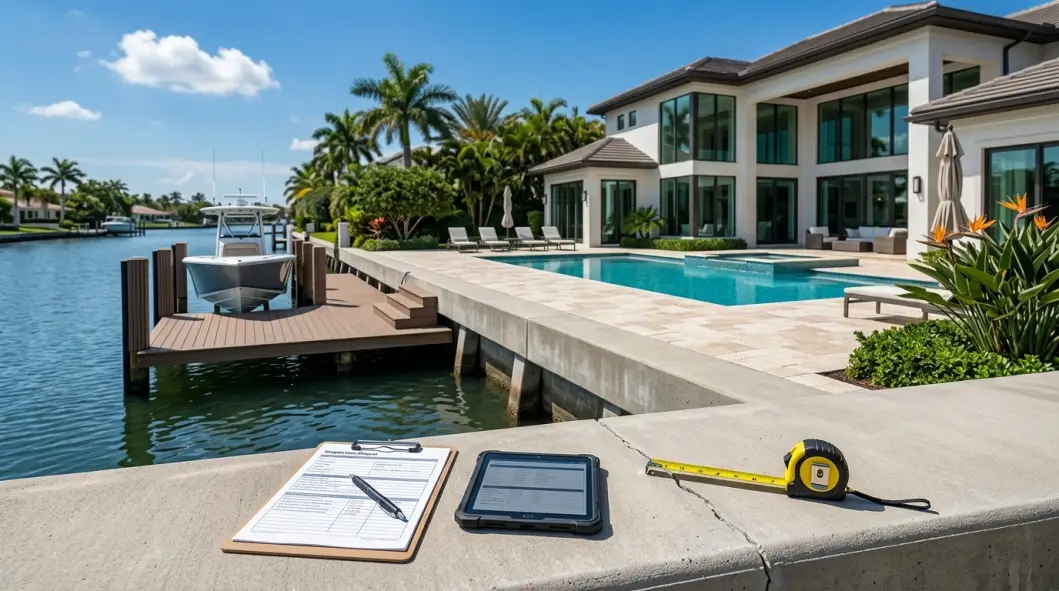
How professionals evaluate drainage-related settlement
Before selecting any repair strategy to fix sinking concrete, an effective evaluation focuses on:
drainage layout and discharge locations
trench locations and backfill zones
recent site grading changes
proximity to utilities and seawalls
historical movement patterns
The goal is not simply to lift concrete, but to understand why support was lost in the first place.
Fix sinking concrete the right way after drainage changes
When drainage modifications have altered subsurface behavior, long-term solutions must address:
weakened soil zones
densification loss
hidden voids or low-density areas
Only stabilizing the ground beneath the slab can reliably fix sinking concrete when drainage is part of the cause.
For SlabFix projects, this typically involves precision subsurface stabilization designed to:
restore soil support
control future movement
minimize disruption to the property
This approach allows existing slabs to remain in place while addressing the real source of the problem.
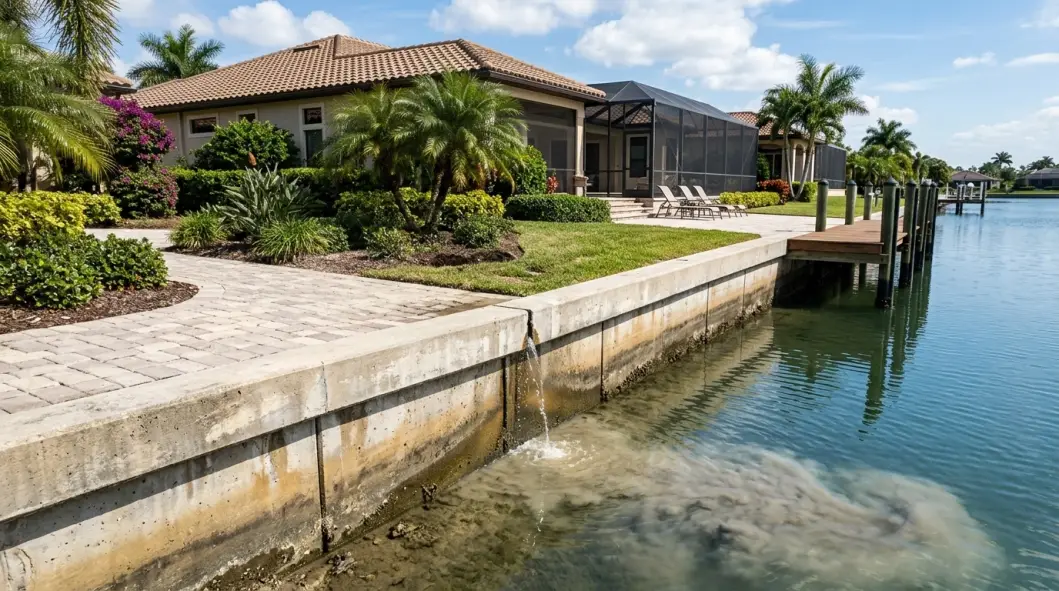
Drainage improvements and seawall-adjacent concrete
Concrete near seawalls is especially sensitive to drainage changes.
Improving drainage behind a home or along a seawall often redirects water toward backfill zones near the structure. Over time, this can weaken support beneath:
pool decks
walkways
patios
cap-adjacent slabs
In these environments, trying to fix sinking concrete without considering both drainage behavior and subsurface support can lead to recurring movement and increasing repair scope.
How to prevent drainage upgrades from creating future concrete problems
Before or after installing drainage, property owners should:
avoid placing discharge points directly beside slabs
ensure trenches near concrete receive proper stabilization
avoid directing runoff toward known soft areas
monitor slab edges after heavy rain cycles
consult a subsurface specialist when settlement appears
This proactive approach greatly improves the chances of truly being able to fix sinking concrete instead of managing symptoms.
Why early evaluation saves money
The earlier subsurface changes are identified:
the smaller the stabilization zone
the lower the total repair scope
the less surface reconstruction is required
Waiting for large cracks, major drops, or slab separation makes it more difficult and expensive to fix sinking concrete permanently.
Final thoughts
Drainage improvements are important—but they are not a guaranteed solution for slab settlement. In some cases, they unintentionally change underground water movement in ways that weaken support and accelerate concrete movement.
If your goal is to fix sinking concrete, the solution must go beyond surface water management and address how soil behaves below the slab.
Understanding this connection is the key to avoiding repeated repairs and protecting your property long-term.
Take action before the problem grows
If your concrete started sinking after drainage work—or if you are planning drainage improvements and want to avoid future problems—SlabFix can help evaluate subsurface conditions and determine the most effective way to fix sinking concrete safely and permanently.
Frequently Asked Questions
Can drainage improvements really make sinking concrete worse?
Yes. Drainage upgrades can improve surface water control while still changing how water moves below the slab. If that underground flow starts concentrating near trench lines, slab edges, or backfilled areas, settlement can actually get worse instead of better.
Why would concrete start sinking after a French drain or channel drain is installed?
In many cases, the issue is not the drain itself but the soil conditions around it. Trenches and backfilled zones often behave differently than undisturbed ground, and that can create softer support zones next to the slab.
If I already improved drainage, why is my concrete still moving?
Because better drainage at the surface does not automatically restore support below the slab. If soil migration, voids, or densification loss already developed underneath, the slab may continue to settle until the subsurface is stabilized.
What are the warning signs that drainage changes are affecting my slab?
Common signs include new cracking near trenches, slab edges dropping faster than center sections, separation next to nearby structures, or movement that starts soon after drainage work was completed.
What is the right way to fix sinking concrete after drainage changes?
The right approach is to identify how the drainage upgrade changed subsurface water movement, then stabilize the weakened soil zones below the slab. Lifting or patching the surface alone usually will not solve the root problem.
📞 Call SlabFix Today: 407-379-2585
📍 Serving all of Central and Coastal Florida
💬 Free Inspection & Quote