Seawall Drainage Systems Explained: Weep Holes, Hydrostatic Pressure, and Backfill Stability
Waterfront properties need more than a strong wall to stay protected long-term.
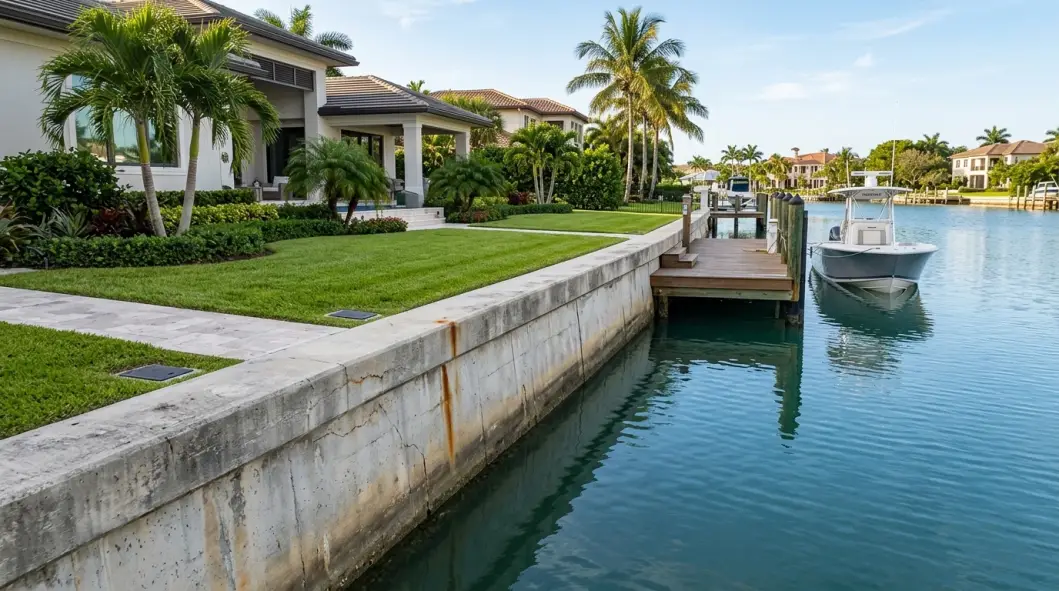
A seawall may look solid from the outside—but its real strength depends on what’s happening behind it.
Seawall drainage systems are essential because they move trapped water away from the wall before pressure builds and damage begins.
When drainage fails:
- Water collects behind the seawall
- Backfill becomes saturated and unstable
- Pressure builds and weakens the structure from within
Why Seawall Drainage Systems Matter
The primary purpose of a seawall drainage system is simple:
👉 Relieve hydrostatic pressure before it damages the wall
When water gets trapped behind the seawall, it creates outward force. Over time, this leads to:
- Cracks in the wall
- Bulging or bowing sections
- Joint separation
- Structural weakening
At the same time, saturated soil becomes heavier and less stable—adding even more stress.
⚠️ This combination is dangerous:
- Increased pressure
- Reduced soil support
That’s why seawalls often fail from behind, even when the front still looks fine.
What Are Seawall Drainage Systems?
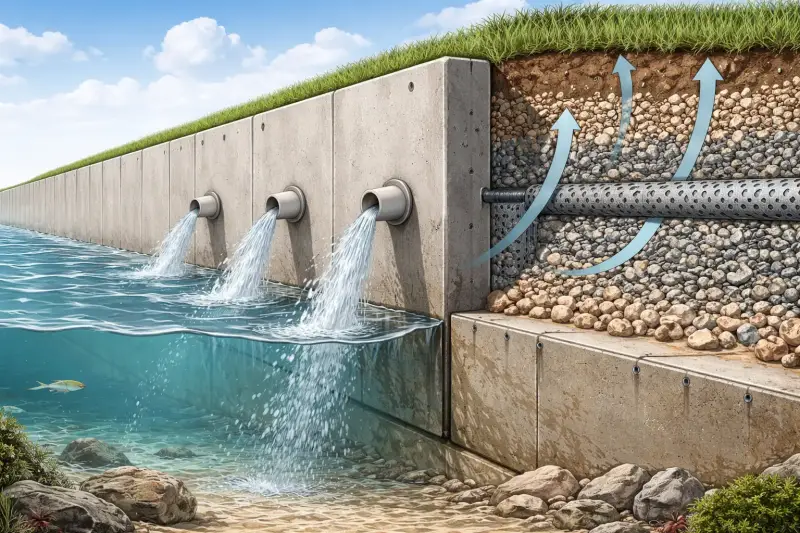
Seawall drainage systems provide controlled pathways for water to escape from behind the wall.
Key Components Include:
- Weep holes (pressure relief openings)
- Drainage outlets
- Gravel or crushed stone backfill
- Filter fabric
These components work together to:
- Allow water to flow freely
- Prevent soil washout
- Maintain structural balance
💡 A seawall doesn’t just hold back soil—it must also resist water pressure from:
- Rainfall
- Groundwater
- Tides
- Saturated soil conditions
Without drainage, pressure builds quickly and silently.
What Are Weep Holes in a Seawall?
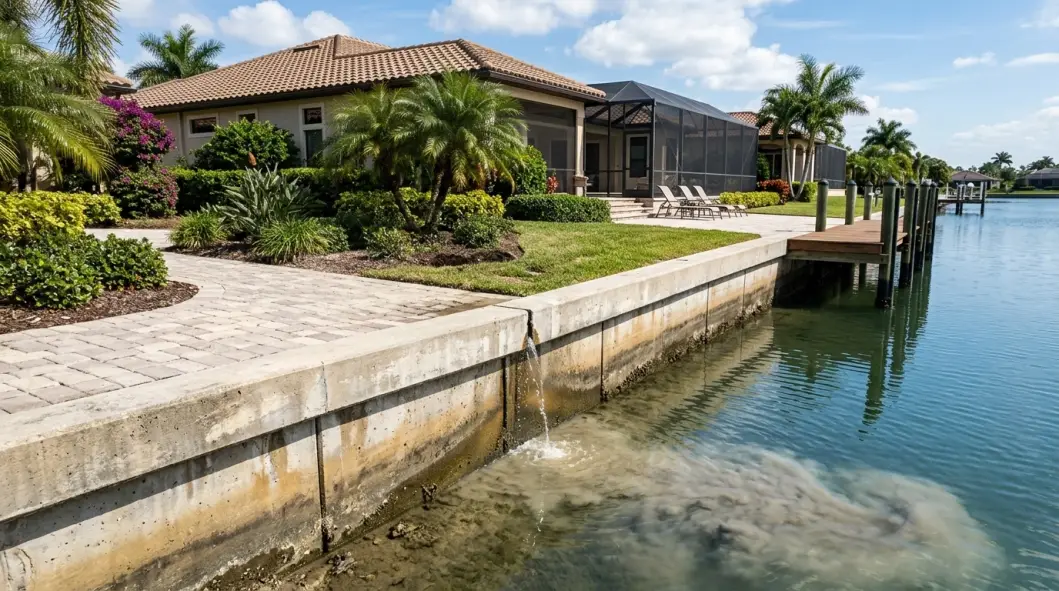
Weep holes are small openings built into the seawall that allow trapped water to drain out.
👉 Think of them as pressure release valves for your seawall.
What They Do:
- Let water escape safely
- Reduce pressure buildup
- Protect the wall from stress damage
Why Filtration Matters
Weep holes must work with proper drainage materials.
Without filtration:
- Soil can wash out with the water
- Voids form behind the wall
- Backfill becomes unstable
✅ Proper setup includes:
- Filter fabric
- Gravel or drainage stone
This ensures water flows out—but soil stays in place.
Hydrostatic Pressure: The Hidden Threat
Hydrostatic pressure builds when water is trapped behind a solid structure like a seawall.
As water accumulates, the force pushing against the wall increases.
Early Warning Signs:
- Hairline cracks
- Slight outward movement
- Minor bulging
Advanced Damage:
- Large cracks
- Structural shifting
- Potential wall failure
⚠️ Even a strong seawall cannot withstand constant pressure without proper drainage.
Backfill Stability: The Foundation Behind the Wall
Backfill is the soil or material placed behind the seawall. It plays a critical structural role.
Stable Backfill Must:
- Drain efficiently
- Resist erosion
- Provide consistent support
When Backfill Fails:
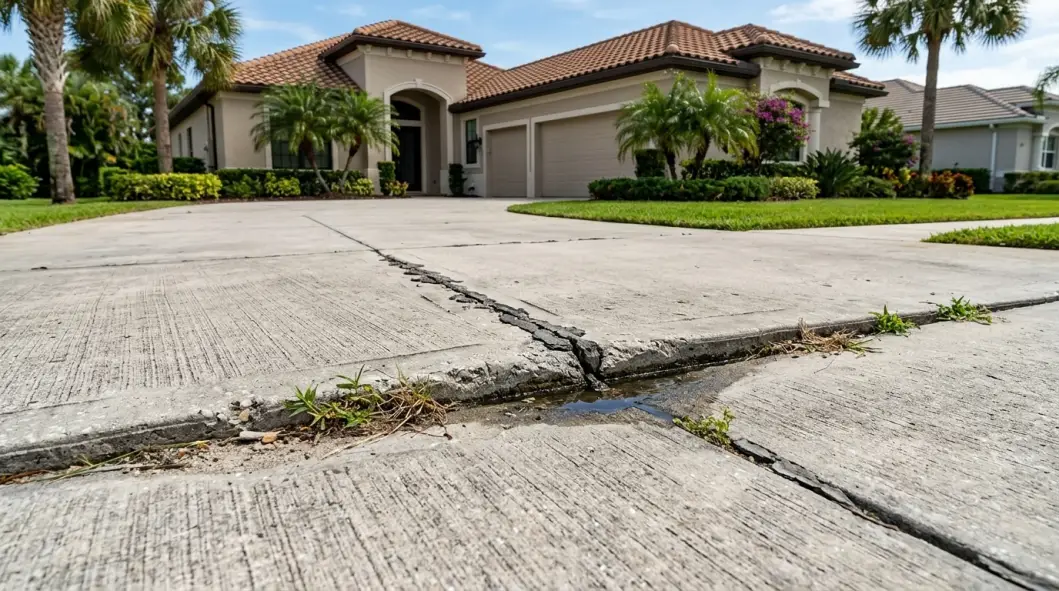
- Sinkholes may form
- Voids develop under the surface
- Soil becomes soft or uneven
- Pressure distribution becomes unbalanced
💡 Drainage systems protect backfill by:
- Directing water toward exit points
- Preventing soil washout
- Maintaining structural support
Signs of Seawall Drainage Failure
Drainage problems usually show warning signs before major damage occurs.
Watch for:
- Cracks in the seawall
- Bowing or bulging areas
- Sinkholes or depressions nearby
- Soft or unstable soil
- Clogged weep holes
⚠️ Blocked weep holes are a major issue
Sand and debris can clog them, stopping water flow and allowing pressure to build.
How Seawall Drainage Problems Are Repaired
Professional repair focuses on fixing the cause—not just the symptoms.
Typical Repair Process:
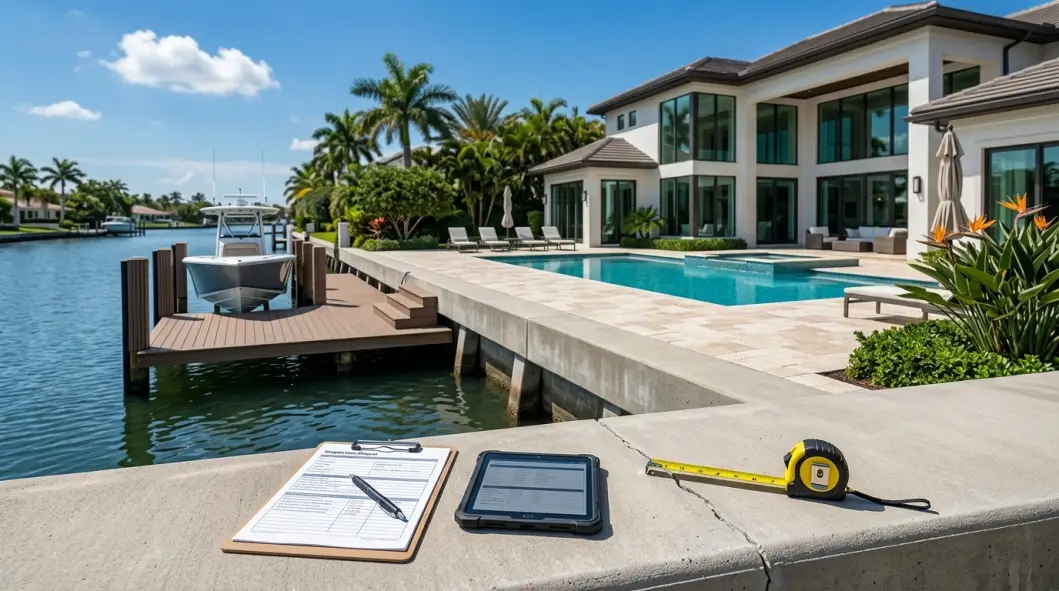
- Inspection
- Identify pressure buildup
- Check drainage performance
- Evaluate backfill condition
- Drainage Restoration
- Clean or install weep holes
- Improve drainage layers
- Add filter fabric
- Stabilization
- Fill voids
- Strengthen soil
- Restore support behind the wall
- Structural Reinforcement (if needed)
- Tie-back systems
- Alignment correction
✅ The goal is to:
- Relieve pressure
- Stabilize soil
- Prevent future damage
Why Early Action Is Critical
Seawall drainage issues rarely stay small.
Over time, they lead to:
- Structural cracks
- Soil loss
- Wall movement
- Expensive repairs
Early action helps you:
- Reduce repair costs
- Extend seawall lifespan
- Prevent major structural failure
- Protect property value
💡 If you notice any warning signs, don’t wait—early inspection can save thousands.
SlabFix: Seawall Drainage & Stabilization Experts
At SlabFix, we specialize in:
- Seawall repair
- Foam soil stabilization
- Drainage correction
- Void filling and structural support
Our advanced polyurethane injection solutions:
- Stabilize weak backfill
- Fill hidden voids
- Restore support without excavation
We don’t just fix cracks—we solve the root cause.
Frequently Asked Questions
How do I know if my seawall drainage problem is serious?
If you notice sinking soil, soft spots, clogged weep holes, cracks, or bulging sections, the problem may already be affecting the support behind the wall. In many cases, drainage failure becomes serious before major visible damage appears.
Can poor drainage behind a seawall cause the wall to fail?
Yes. When water stays trapped behind the wall, hydrostatic pressure increases and the backfill becomes unstable. Over time, that combination can lead to cracking, bowing, voids, and structural failure.
What happens if water cannot escape behind a seawall?
When trapped water has no path to drain, pressure builds behind the wall and pushes outward. At the same time, saturated soil becomes heavier and weaker, which increases stress on the seawall.
Are clogged weep holes a big problem or a minor maintenance issue?
They can become a major problem. If weep holes are blocked by sand, soil, or debris, they stop relieving pressure properly. That allows water to build up behind the seawall and increases the risk of damage.
What is the best way to fix seawall drainage problems?
The best repair depends on the cause, but it often includes restoring drainage flow, improving filtration, stabilizing weak soil, and filling hidden voids behind the wall. In more advanced cases, structural reinforcement may also be needed.
Get a Free Seawall Inspection
Protect your waterfront property before small drainage issues turn into major structural damage.
📞 Call SlabFix Today: 407-379-2585
📍 Serving Orlando and Central Florida
💬 Free Inspection & Quote